5 of the Most Hectic School Incursions in NSW Right Now
Sometimes the best excursion is the one that comes to you. We've found four incursions across NSW that teachers actually recommend — from first aid training for primary students to emotional literacy workshops for Year 9-12 boys. They align with curriculum, they don't require buses, and they deliver without the hype.
By Johnny Paul
Published on 25 October 2024
There's a particular type of relief that comes with booking an incursion instead of an excursion. No buses to coordinate. No permission slips to chase. No risk assessments for unfamiliar venues. The learning comes to you, happens in your space, and then leaves — ideally having taught your students something valuable without adding to your administrative burden.
The challenge with incursions is that quality varies wildly. Some are genuinely educational and curriculum-aligned. Others are thinly veiled entertainment that leaves you wondering what your students actually learned beyond "that was fun."
The four providers below fall into the first category. They're incursions that teachers I've spoken with across NSW consistently recommend — not because they're flashy, but because they deliver real educational value in formats that work within school constraints.
1. Cool Kids First Aid — Teaching Students Skills That Actually Matter
What they do: Interactive first aid training for students aged 3–12, covering essential safety skills like recognizing emergencies, calling 000, basic bleeding control, and (for older primary students) CPR principles.
Why teachers rate it: This is practical, life-skills education that fills a genuine gap in the curriculum. The younger program (3–5 years) uses characters called Lexi and Leo to make emergency response concepts accessible and play-based. The older program (5–12 years) introduces CPR techniques and more detailed emergency response protocols in age-appropriate ways.
One Year 3 teacher told me her students went home and explained the recovery position to their parents after a Cool Kids session. That's not just retention — that's students understanding why it matters.
Stage fit: ES1–S3
Curriculum links: PDHPE (PDe-9, PD1-9, PD2-9 — making safe decisions and responding to emergencies)
Format: Incursion (single session, all equipment provided)
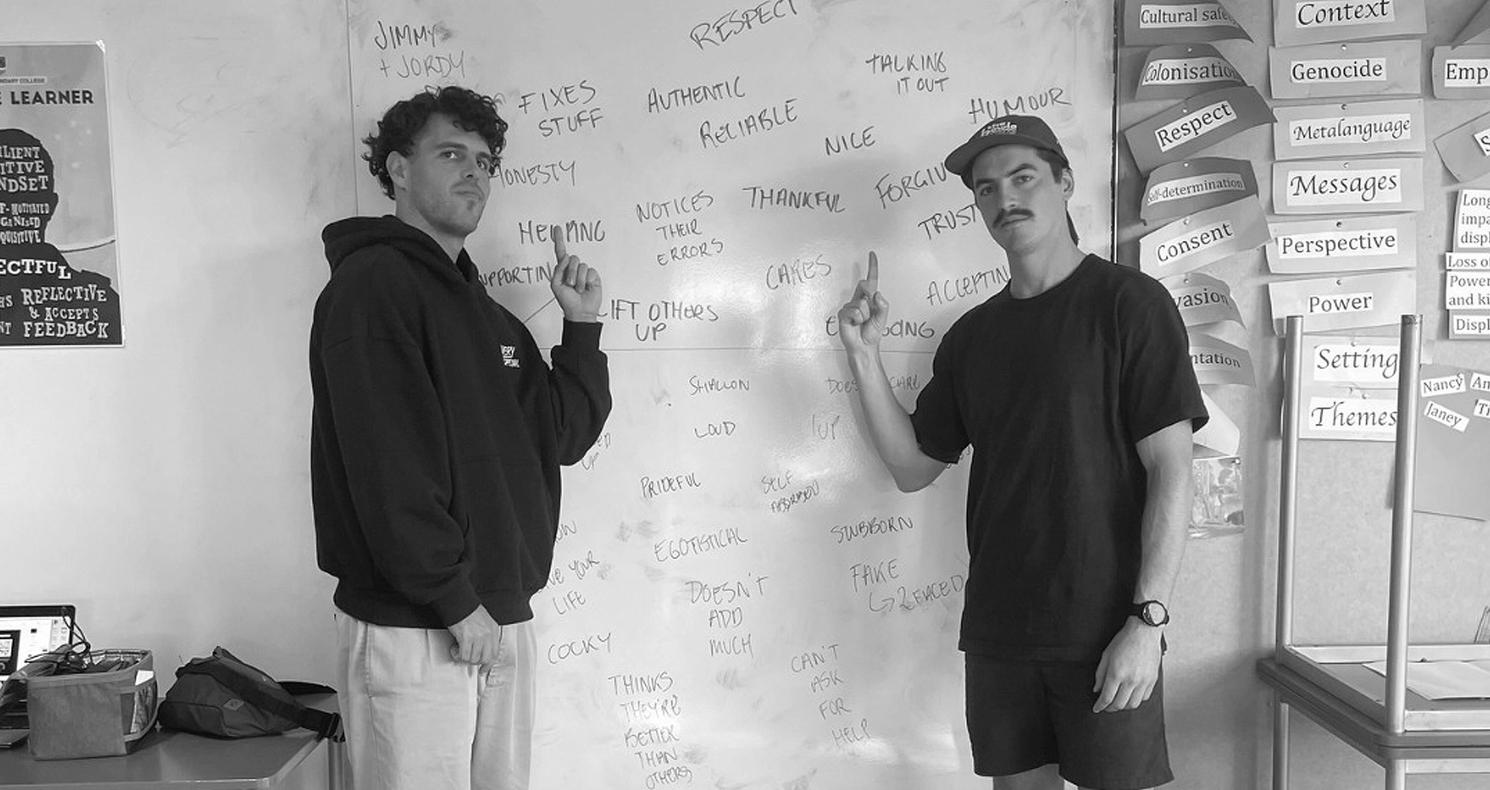
2. Tomorrow Man — Emotional Literacy for Boys Who Need Better Language
What they do: Workshops designed specifically for young men to explore emotional expression, healthy masculinity, and interpersonal relationships. Programs are tailored by year level, from Year 9 introductory sessions through to more in-depth workshops for Years 10–12.
Why teachers rate it: This is one of those programs that addresses something many schools struggle to deliver well — creating space for boys to talk about emotions, relationships, and what healthy masculinity actually looks like in 2025.
The Connection Code workshop (Year 9) introduces emotional vocabulary and frameworks. The senior programs go deeper, exploring purpose, empathy, and how to navigate relationships with respect and self-awareness. There's also an In Her Shoes workshop that focuses on understanding women's experiences, and Middle Ground, which brings all genders together for dialogue about shared and unique perspectives.
A secondary wellbeing coordinator I know runs Tomorrow Man sessions annually for her senior boys. She told me: "It's the one program where boys who normally wouldn't engage actually open up. The facilitators know how to hold that space without it feeling forced."
Stage fit: S2–S3 (Years 9–12)
Curriculum links: PDHPE (PD4-9, PD5-9 — interpersonal relationships, self-awareness), Personal and Social Capability
Format: Incursion (workshops run 60–90 minutes depending on program)
3. Jollybops Science — STEM That's Actually Engaging
What they do: High-energy science shows featuring live experiments, interactive demonstrations, and curriculum-linked content delivered by enthusiastic presenters (including "the jolly professor" and "Rusty the robot"). Programs cover topics like forces, chemical reactions, environmental science, and physics.
Why teachers rate it: Jollybops has been running since 2002 and has worked with over 700,000 students across NSW, QLD, VIC, and the ACT. That longevity and reach suggest they're doing something right.
The programs are genuinely curriculum-aligned, which matters when you're trying to justify the cost and time. They're also highly visual and interactive, which works well for students who struggle with traditional Science lessons. I've heard from multiple primary teachers that their students remember Jollybops demonstrations months later and reference them when learning related concepts in class.
The shows are entertaining, yes — but they're also educational in ways that stick. That's the sweet spot for incursions.
Stage fit: ES1–S3
Curriculum links: Science and Technology (all stages — forces, energy, chemical reactions, environmental science)
Format: Incursion (assembly-style show or smaller classroom workshops available)
4. Be The Future — Climate Education Without the Doom
What they do: Play-based sustainability workshops for early learning and primary students (ages 2–12), led by environmentalist Sally and educator Helen. Sessions use interactive storytelling, digital floor games, treasure hunts, and creative activities with recycled materials to explore eco-solutions and climate action.
Why teachers rate it: Climate education is tricky. You want students to understand the challenges and feel empowered to act, but you don't want to overwhelm them with anxiety and hopelessness. Be The Future threads that needle well — it's honest about environmental issues while focusing on solutions and agency.
The play-based approach works particularly well for younger students who need tactile, imaginative learning experiences. I've heard from early learning educators that the program sparks conversations about sustainability that continue long after the session ends, with students bringing ideas home to families.
Stage fit: ES1–S2 (ages 2–12)
Curriculum links: Science and Technology (ST1-11LW, ST2-11LW — living things and environments), Geography (GE1-1, GE2-1 — natural environment), Sustainability cross-curriculum priority
Format: Incursion (workshops tailored to age group, single session or multi-week programs available)
What Makes a Good Incursion
Not every incursion is worth the time and money. The ones that work tend to share a few characteristics:
They align with curriculum outcomes. If you can't clearly articulate how the incursion supports what you're teaching, it's probably not worth booking.
They're age-appropriate. Programs designed for broad age ranges often miss the mark. The best providers tailor content to specific stages or year levels.
They're engaging without being purely entertainment. Students should be actively learning, not just passively watching. Interactive elements, hands-on activities, and opportunities for questions matter.
They don't create extra work for you. The best incursions are self-contained. Providers bring everything they need, deliver the session, and leave your classroom ready to use again. Follow-up resources are helpful, but they should be optional, not required.
They fit your schedule and budget. If the program requires extensive prep time, post-session work, or costs more than your excursion budget allows, it's not viable — no matter how good it is.
When Incursions Make Sense
Incursions work particularly well when:
- Transport is a barrier. If your school is regional, or bus hire is prohibitively expensive, bringing the experience to students makes more sense than taking students to the experience.
- Time is tight. Incursions usually run 60–90 minutes. Excursions can take half a day or more once you factor in travel.
- You need something curriculum-specific. Some incursions are designed to directly support particular units of work, which makes them more targeted than general excursions.
- You're managing diverse student needs. Some students struggle with the overstimulation of excursions — new environments, crowds, noise. Incursions in familiar spaces can be less overwhelming.
The Practical Bit
If you're considering booking one of these incursions, here's what I'd suggest:
Check availability early. Popular providers book out terms in advance, especially for high-demand programs like Tomorrow Man or Jollybops.
Ask about pricing structures. Some providers charge per student, others charge a flat fee for the whole school or stage. Know what you're committing to financially before you book.
Clarify what's included. Does the provider bring all equipment? Do they need access to power, AV equipment, or a specific type of space? Are there pre-session resources you need to distribute to students?
Get feedback from other schools. If possible, talk to a teacher who's used the program before. They'll give you the honest version of how it went, not just the marketing pitch.
Think about timing. Some incursions work better at certain points in the term. First aid training might make sense early in the year. Emotional literacy workshops might fit better mid-year when cohort dynamics have settled.
Where to Find More
If none of these four quite fit your needs, we have a searchable database of incursions across NSW and Australia. You can filter by subject, year level, and location to find providers that match what you're teaching.
Good incursions exist. They just require a bit of digging to find the ones that deliver real educational value without the hype.
'%3e%3cpath%20d='M12%2021C16.9706%2021%2021%2016.9706%2021%2012C21%207.02944%2016.9706%203%2012%203C7.02944%203%203%207.02944%203%2012C3%2016.9706%207.02944%2021%2012%2021Z'%20stroke='%23FEFDFB'%20stroke-width='1.5'%20stroke-linecap='round'%20stroke-linejoin='round'/%3e%3cpath%20d='M15.75%208.25H14.25C13.6533%208.25%2013.081%208.48705%2012.659%208.90901C12.2371%209.33097%2012%209.90326%2012%2010.5V21'%20stroke='%23FEFDFB'%20stroke-width='1.5'%20stroke-linecap='round'%20stroke-linejoin='round'/%3e%3cpath%20d='M9%2013.5H15'%20stroke='%23FEFDFB'%20stroke-width='1.5'%20stroke-linecap='round'%20stroke-linejoin='round'/%3e%3c/g%3e%3cdefs%3e%3cclipPath%20id='clip0_1_616'%3e%3crect%20width='24'%20height='24'%20fill='white'/%3e%3c/clipPath%3e%3c/defs%3e%3c/svg%3e)
'%3e%3cpath%20d='M13.3332%2017.5001C15.6344%2017.5001%2017.4998%2015.6346%2017.4998%2013.3334C17.4998%2011.0322%2015.6344%209.16675%2013.3332%209.16675C11.032%209.16675%209.1665%2011.0322%209.1665%2013.3334C9.1665%2015.6346%2011.032%2017.5001%2013.3332%2017.5001Z'%20stroke='%23FEFDFB'%20stroke-width='1.66667'%20stroke-miterlimit='10'/%3e%3cpath%20d='M18.3335%203.33325H8.3335C5.57207%203.33325%203.3335%205.57183%203.3335%208.33325V18.3333C3.3335%2021.0947%205.57207%2023.3333%208.3335%2023.3333H18.3335C21.0949%2023.3333%2023.3335%2021.0947%2023.3335%2018.3333V8.33325C23.3335%205.57183%2021.0949%203.33325%2018.3335%203.33325Z'%20stroke='%23FEFDFB'%20stroke-width='1.66667'%20stroke-linecap='round'%20stroke-linejoin='round'/%3e%3cpath%20d='M18.75%209.16675C19.4404%209.16675%2020%208.6071%2020%207.91675C20%207.22639%2019.4404%206.66675%2018.75%206.66675C18.0596%206.66675%2017.5%207.22639%2017.5%207.91675C17.5%208.6071%2018.0596%209.16675%2018.75%209.16675Z'%20fill='%23FEFDFB'/%3e%3c/g%3e%3cdefs%3e%3cclipPath%20id='clip0_36_178'%3e%3crect%20width='26.6667'%20height='26.6667'%20fill='white'/%3e%3c/clipPath%3e%3c/defs%3e%3c/svg%3e)
'%3e%3cpath%20d='M20.25%203H3.75C3.33579%203%203%203.33579%203%203.75V20.25C3%2020.6642%203.33579%2021%203.75%2021H20.25C20.6642%2021%2021%2020.6642%2021%2020.25V3.75C21%203.33579%2020.6642%203%2020.25%203Z'%20stroke='%23FEFDFB'%20stroke-width='1.5'%20stroke-linecap='round'%20stroke-linejoin='round'/%3e%3cpath%20d='M11.25%2010.5V16.5'%20stroke='%23FEFDFB'%20stroke-width='1.5'%20stroke-linecap='round'%20stroke-linejoin='round'/%3e%3cpath%20d='M8.25%2010.5V16.5'%20stroke='%23FEFDFB'%20stroke-width='1.5'%20stroke-linecap='round'%20stroke-linejoin='round'/%3e%3cpath%20d='M11.25%2013.125C11.25%2012.4288%2011.5266%2011.7611%2012.0188%2011.2688C12.5111%2010.7766%2013.1788%2010.5%2013.875%2010.5C14.5712%2010.5%2015.2389%2010.7766%2015.7312%2011.2688C16.2234%2011.7611%2016.5%2012.4288%2016.5%2013.125V16.5'%20stroke='%23FEFDFB'%20stroke-width='1.5'%20stroke-linecap='round'%20stroke-linejoin='round'/%3e%3cpath%20d='M8.25%209C8.87132%209%209.375%208.49632%209.375%207.875C9.375%207.25368%208.87132%206.75%208.25%206.75C7.62868%206.75%207.125%207.25368%207.125%207.875C7.125%208.49632%207.62868%209%208.25%209Z'%20fill='%23FEFDFB'/%3e%3c/g%3e%3cdefs%3e%3cclipPath%20id='clip0_1_621'%3e%3crect%20width='24'%20height='24'%20fill='white'/%3e%3c/clipPath%3e%3c/defs%3e%3c/svg%3e)