Australia’s First Gold at Milano Cortina 2026: A Teachable Moment for Sport, History and Health
Australia’s first gold of Milano Cortina 2026 is a ready-made current event for Years 4 to 10. Here is a calm explainer of what happened, a short Winter Olympics timeline, and practical one to two lesson activities linking Health, Humanities, English and media literacy.
By Johnny Paul
Published on 13 February 2026
In a lot of Australian homes this week, the Winter Olympics will have floated into the room through highlights (loving the Euro time zone!) or a family member who suddenly knows what a mogul is. For teachers, that is usually the moment you need: not a sports unit, just a shared reference point you can turn into learning.
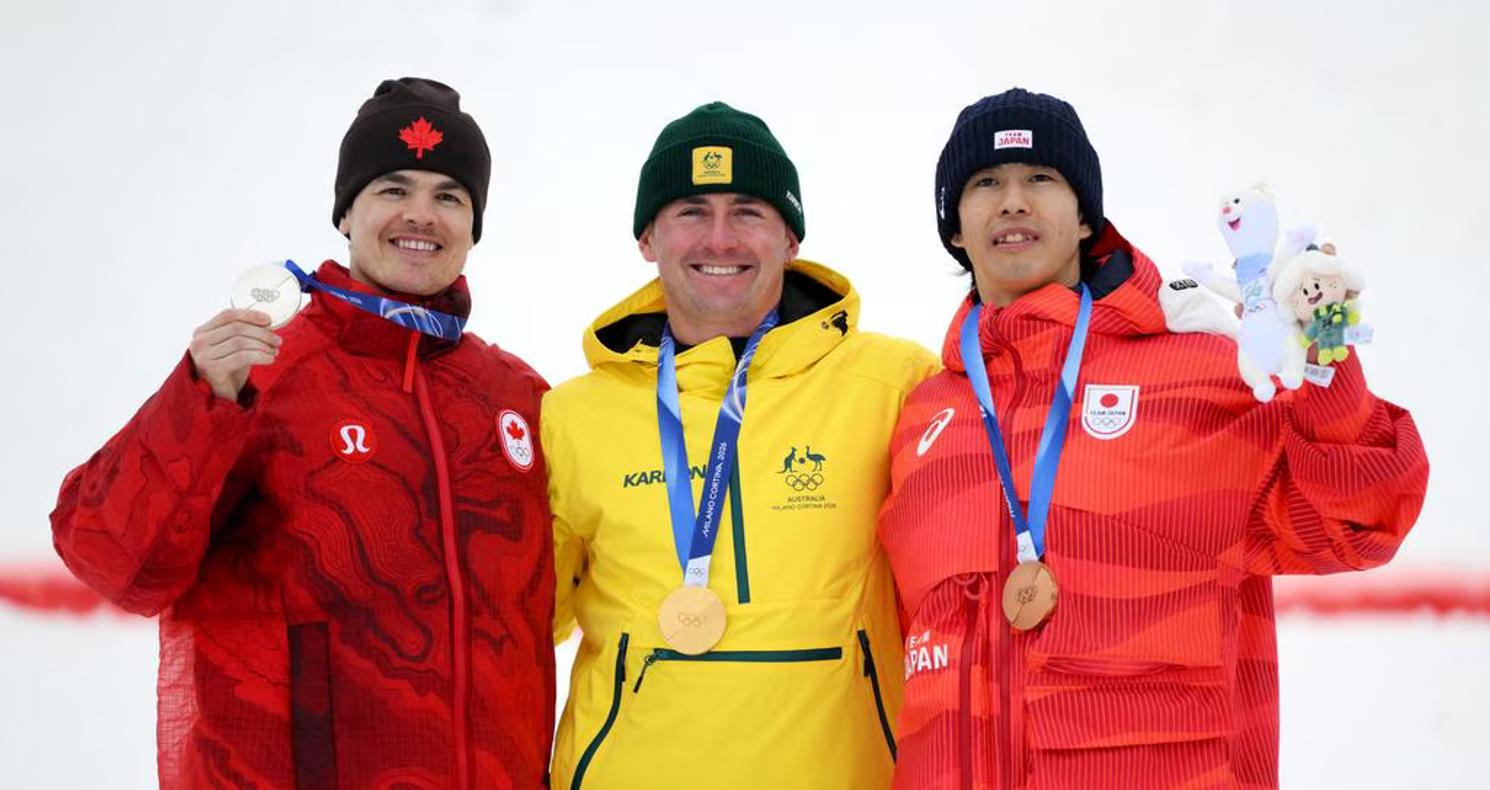
On Thursday 12 February 2026, Australian freestyle skier Cooper Woods won gold in the men’s moguls at the Milano Cortina Winter Olympics, with the final decided on a tiebreak after he and Canadian skier Mikaël Kingsbury finished on the same overall score.
That is the headline. The teachable moment is everything beneath it: how global events work, how sport is turned into a national story, what performance and wellbeing actually involve, and how to read media coverage with a more critical eye.
The headline, in teacher language
If you need a simple, accurate way to explain it to students:
Australia won its first gold medal of the 2026 Winter Olympics when Cooper Woods won the men’s moguls in freestyle skiing. Moguls is judged on skiing technique, jumps, and speed on a steep course covered in bumps. In the final, Woods and Mikaël Kingsbury tied on the total score, and Woods won on a judging countback.
You do not need more detail than that to get started.
The Winter Olympics in brief
The Winter Olympics is the cold-weather sibling of the Olympic Games. It runs in a separate cycle and features sports built around snow and ice. What makes it different, and useful for class discussion, is that it is shaped by place and climate in a way many students can immediately understand: you cannot run alpine skiing without mountains and winter conditions, and you cannot host sliding sports without specialised ice tracks.
That gives you an easy Geography link (environments shape what humans do) and a quiet media literacy link (coverage tends to focus on spectacle rather than the infrastructure and conditions that make it possible).
A quick timeline teachers can lift
Use this as a simple continuity-and-change activity, or as a warm-up timeline students can add to.
- 1924: The first Winter Games are held in Chamonix, France, as an “International Winter Sports Week”, later recognised as the first Winter Olympics.
- 1994: The Winter Olympics moves to a new schedule, alternating with the Summer Olympics so the Games happen every two years (Summer, then Winter).
- 2026: Milano Cortina hosts the Winter Olympics in Italy, with events across multiple mountain venues.
(You can keep this deliberately light. The goal is a clear historical frame students can handle in one lesson, not a deep Olympic history lecture.)
The sport behind the moment: what moguls teaches
Moguls looks chaotic to students at first glance. That is part of its teaching value.
At a basic level, judges reward three things:
- Turns: control and technique through the bumps
- Air: jumps (difficulty and execution)
- Speed: time through the course
Reuters’ reporting on Woods’ win makes this visible, because the countback was decided by a higher turns score. That is a clean entry point into a discussion about what “performance” actually means when it is measured through multiple criteria, not just winning by time.
From a Health perspective, moguls is also a straightforward case study in safe risk: it is high skill, high consequence, and it depends on preparation, decision making, and recovery as much as bravery.
Classroom connections teachers can actually use
Health and PE (Years 4–10): training, wellbeing, safe risk
Use the event to separate three ideas students often mix together: fitness, skill, and wellbeing. Elite performance is not simply “being fit”. It is structured training, sleep, nutrition, mental skills, and injury management. The goal in class is not to glamorise elite sport, but to make the hidden work visible and translate it into age-appropriate habits.
Humanities (Years 5–10): global institutions and national stories
The Olympics is a global institution with rituals, symbols, rules, and power. Countries use it to tell stories about identity and success. That is worth analysing calmly, especially if you want to avoid the “Australia rules” energy. A useful question is: What do nations choose to celebrate, and what do they leave out?
English (Years 4–10): How media builds meaning
Sports reporting is a gift for language analysis. Headlines and commentary lean on narrative: underdog, comeback, pressure, hero, heartbreak. Students can compare how different outlets describe the same run and ask what is fact, what is interpretation, and what is emotional colouring.
Ready-to-use classroom activities (one to two lessons each)
1) The 6-sentence explainer (Years 4–8, English / HASS)
Students write a six-sentence explanation of the event with strict roles:
- What happened
- Where it happened
- What sport it was
- How the winner is decided in that sport
- Why people say it mattered
- One question they still have
Use one straight report as the class reference text (ABC or Reuters).
2) “What counts as performance?” scoring debate (Years 5–10, PDHPE)
Put three criteria on the board: technique, difficulty, speed.
In groups, students design a scoring system for a made-up event (for example, scooter tricks, dance, or a school obstacle course). They must justify why each criterion matters and how it should be weighted. Then connect back to moguls and the idea of a countback decided by turns.
3) Media literacy quick-check: facts vs narrative (Years 6–10, English)
Provide two short extracts describing the win from different outlets (teacher-selected).
Students highlight:
- facts (verifiable)
- interpretations (opinion, framing)
- emotional language (designed to make you feel something)
Finish with: How did the language shape what you thought about the athlete, and about Australia?
4) Map the Games: place, climate, and infrastructure (Years 5–9, Geography)
Students locate the host region and list what the environment makes possible (snow sports) and what it demands (venues, transport, snow management, safety). Keep it practical: “What has to exist for this event to run?” Use the official Games overview or athlete and venue pages as reference.
5) Goal setting without the poster (Years 4–10, PDHPE / Wellbeing)
Students choose one non-sport goal (learning, creative, social, health). They write:
- One clear goal
- One habit that supports it
- One barrier they might hit
- One support they can ask for
Link back to the idea that “winning” is often the visible tip of a long routine, not a personality trait.
Optional extension: structured Olympic classroom resources
If your school likes a ready-made pathway, the Australian Olympic Committee’s TeamAUS Olympic Schools hub includes classroom resources linked to Olympic values, and Olympics Unleashed connects schools with Olympians and aspiring Olympians through school visits and programs.
Teacher notes: inclusion, accessibility, and keeping it classroom-safe
- Do not let it become “sporty kids talk”. Make sure at least one task is about thinking and language, not athletic identity.
- Avoid ableist performance talk. Steer away from “weak, failure, not cut out for it”. Use neutral language about training, support, opportunity, and recovery.
- Be careful with nationalism. A useful frame is: “Sport is one way countries tell stories about themselves.” That keeps the analysis safe and stops the lesson becoming a chant.
- Name risk responsibly. Moguls involves risk, but the teachable point is preparation and safety systems, not thrill seeking.
Oh, and don’t forget an ‘Ozzie, Ozzie, Ozzie… Oi, Oi, Oi!
(Photo by David Ramos/Getty Images)
'%3e%3cpath%20d='M12%2021C16.9706%2021%2021%2016.9706%2021%2012C21%207.02944%2016.9706%203%2012%203C7.02944%203%203%207.02944%203%2012C3%2016.9706%207.02944%2021%2012%2021Z'%20stroke='%23FEFDFB'%20stroke-width='1.5'%20stroke-linecap='round'%20stroke-linejoin='round'/%3e%3cpath%20d='M15.75%208.25H14.25C13.6533%208.25%2013.081%208.48705%2012.659%208.90901C12.2371%209.33097%2012%209.90326%2012%2010.5V21'%20stroke='%23FEFDFB'%20stroke-width='1.5'%20stroke-linecap='round'%20stroke-linejoin='round'/%3e%3cpath%20d='M9%2013.5H15'%20stroke='%23FEFDFB'%20stroke-width='1.5'%20stroke-linecap='round'%20stroke-linejoin='round'/%3e%3c/g%3e%3cdefs%3e%3cclipPath%20id='clip0_1_616'%3e%3crect%20width='24'%20height='24'%20fill='white'/%3e%3c/clipPath%3e%3c/defs%3e%3c/svg%3e)
'%3e%3cpath%20d='M13.3332%2017.5001C15.6344%2017.5001%2017.4998%2015.6346%2017.4998%2013.3334C17.4998%2011.0322%2015.6344%209.16675%2013.3332%209.16675C11.032%209.16675%209.1665%2011.0322%209.1665%2013.3334C9.1665%2015.6346%2011.032%2017.5001%2013.3332%2017.5001Z'%20stroke='%23FEFDFB'%20stroke-width='1.66667'%20stroke-miterlimit='10'/%3e%3cpath%20d='M18.3335%203.33325H8.3335C5.57207%203.33325%203.3335%205.57183%203.3335%208.33325V18.3333C3.3335%2021.0947%205.57207%2023.3333%208.3335%2023.3333H18.3335C21.0949%2023.3333%2023.3335%2021.0947%2023.3335%2018.3333V8.33325C23.3335%205.57183%2021.0949%203.33325%2018.3335%203.33325Z'%20stroke='%23FEFDFB'%20stroke-width='1.66667'%20stroke-linecap='round'%20stroke-linejoin='round'/%3e%3cpath%20d='M18.75%209.16675C19.4404%209.16675%2020%208.6071%2020%207.91675C20%207.22639%2019.4404%206.66675%2018.75%206.66675C18.0596%206.66675%2017.5%207.22639%2017.5%207.91675C17.5%208.6071%2018.0596%209.16675%2018.75%209.16675Z'%20fill='%23FEFDFB'/%3e%3c/g%3e%3cdefs%3e%3cclipPath%20id='clip0_36_178'%3e%3crect%20width='26.6667'%20height='26.6667'%20fill='white'/%3e%3c/clipPath%3e%3c/defs%3e%3c/svg%3e)
'%3e%3cpath%20d='M20.25%203H3.75C3.33579%203%203%203.33579%203%203.75V20.25C3%2020.6642%203.33579%2021%203.75%2021H20.25C20.6642%2021%2021%2020.6642%2021%2020.25V3.75C21%203.33579%2020.6642%203%2020.25%203Z'%20stroke='%23FEFDFB'%20stroke-width='1.5'%20stroke-linecap='round'%20stroke-linejoin='round'/%3e%3cpath%20d='M11.25%2010.5V16.5'%20stroke='%23FEFDFB'%20stroke-width='1.5'%20stroke-linecap='round'%20stroke-linejoin='round'/%3e%3cpath%20d='M8.25%2010.5V16.5'%20stroke='%23FEFDFB'%20stroke-width='1.5'%20stroke-linecap='round'%20stroke-linejoin='round'/%3e%3cpath%20d='M11.25%2013.125C11.25%2012.4288%2011.5266%2011.7611%2012.0188%2011.2688C12.5111%2010.7766%2013.1788%2010.5%2013.875%2010.5C14.5712%2010.5%2015.2389%2010.7766%2015.7312%2011.2688C16.2234%2011.7611%2016.5%2012.4288%2016.5%2013.125V16.5'%20stroke='%23FEFDFB'%20stroke-width='1.5'%20stroke-linecap='round'%20stroke-linejoin='round'/%3e%3cpath%20d='M8.25%209C8.87132%209%209.375%208.49632%209.375%207.875C9.375%207.25368%208.87132%206.75%208.25%206.75C7.62868%206.75%207.125%207.25368%207.125%207.875C7.125%208.49632%207.62868%209%208.25%209Z'%20fill='%23FEFDFB'/%3e%3c/g%3e%3cdefs%3e%3cclipPath%20id='clip0_1_621'%3e%3crect%20width='24'%20height='24'%20fill='white'/%3e%3c/clipPath%3e%3c/defs%3e%3c/svg%3e)