Creating Mental Health-Focused Excursions: How Schools Are Supporting Student Wellbeing Beyond the Classroom
With nearly half of Australian parents reporting increased expectations for schools to support wellbeing, educational institutions are extending mental health initiatives beyond the classroom through wellbeing-focused excursions. From sensory-friendly museum sessions to nature-based programs and mindfulness safaris, schools are discovering how carefully designed experiences can reduce anxiety, strengthen social connections, and teach emotional regulation in real-world contexts.
By Johnny Paul
Published on 7 May 2025
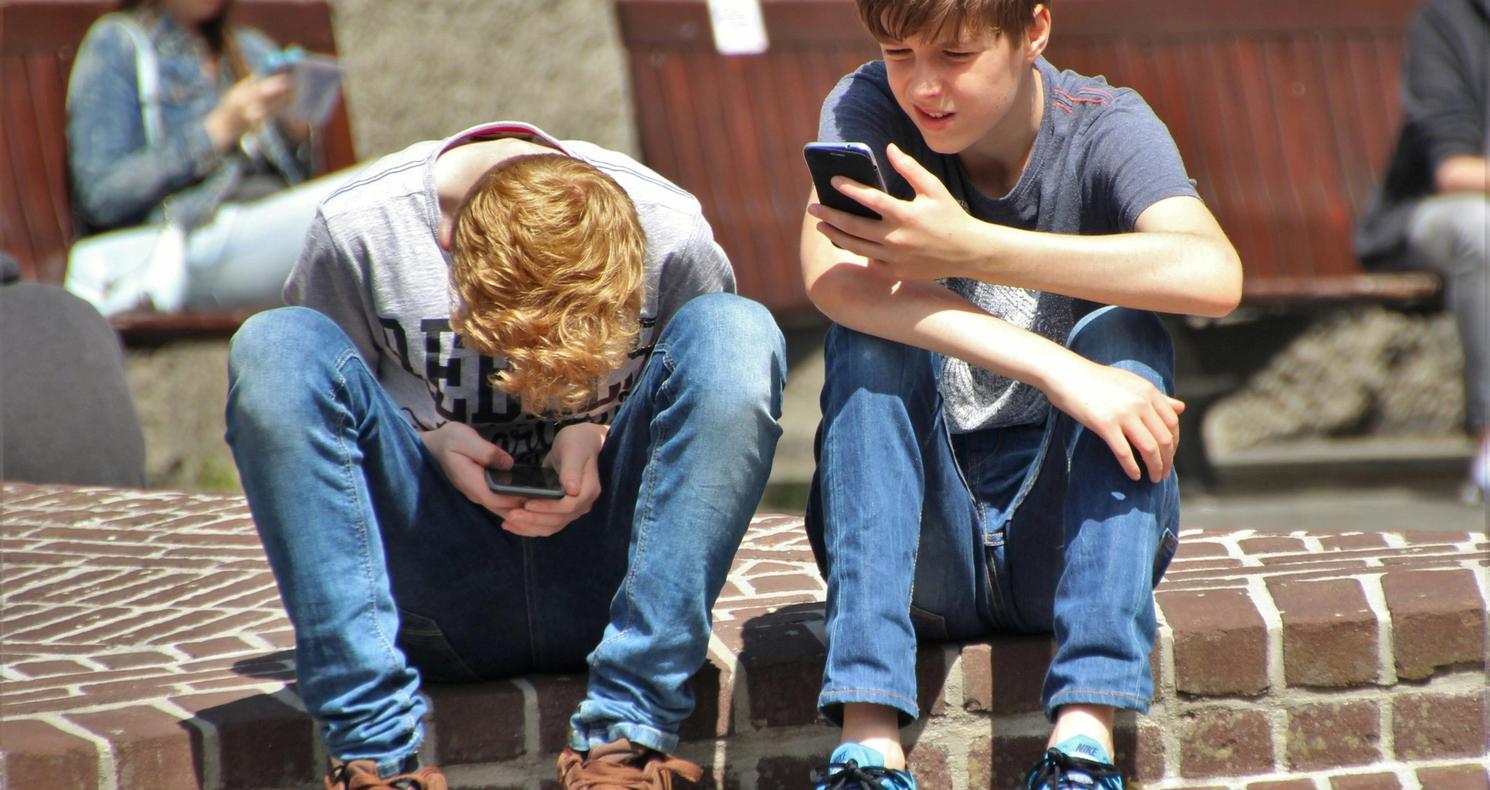
Australian schools are reimagining student wellbeing, embracing innovative approaches that place emotional resilience alongside academic success. With nearly half of parents (48%) reporting increased expectations of schools to support wellbeing in the last five years, educational institutions are extending their mental health initiatives beyond the classroom through carefully designed excursions and incursions that support student emotional wellbeing.
The Growing Emphasis on Student Mental Health
Schools across Australia are recognising that student wellbeing is not merely an add-on to academic learning but a foundation that enables successful education. This shift reflects broader societal awareness of mental health issues and their impact on young people's development and learning capacity.
The integration of mental health into curriculum has become a priority, with schools seeking experiences that:
How Excursions Support Mental Health Integration
Excursions offer unique opportunities to support student wellbeing that classroom environments cannot always provide:
Natural Environment Access: Programs at Royal Botanic Gardens allow students to experience the proven mental health benefits of connecting with nature, reducing stress and improving focus.
Physical Movement: Excursions involving physical activity support the mind-body connection essential for wellbeing.
Novel Social Contexts: Visits to Taronga Zoo create opportunities for students to practice social skills in different settings, supporting social-emotional development.
Real-World Application: Programs at The Coastal Environment Centre allow students to apply wellbeing concepts in practical contexts, strengthening their relevance and retention.
Sensory-Friendly Excursion Providers
Schools are increasingly seeking venues that accommodate the sensory needs of all students, particularly those with neurodivergent conditions. Analysis of EdTripper's database reveals several providers offering exemplary sensory-friendly experiences:
New South Wales
Museum of Contemporary Art Australia offers "Sensory Mornings" specifically designed for students who benefit from quieter, less crowded environments. Staff receive specialised training in supporting diverse sensory needs, and the program includes pre-visit resources to help prepare students.
Sydney Living Museums provides sensory maps identifying quieter spaces and potential sensory challenges at each of their historic houses and museums. Their "History Explorers" program includes sensory kits with noise-cancelling headphones and fidget tools.
Victoria
Melbourne Museum has developed "Quiet Sessions" with reduced visitor numbers, adjusted lighting and sound levels, and designated relaxation spaces. Their accessibility guides detail sensory considerations for each exhibition area.
LEGOLAND Discovery Centre Melbourne hosts regular sensory-friendly sessions with modified lighting, quieter music, and reduced crowds. Their structured building activities support fine motor skills while providing a predictable, calming experience.
Queensland
Queensland Museum offers "Sensory Exploration Kits" containing noise-reducing headphones, visual schedules, and communication cards. Their "Discovery Centre" includes designated quiet spaces where overwhelmed students can regulate.
Currumbin Wildlife Sanctuary provides "Sensory Maps" highlighting quiet observation areas and potential sensory triggers. Their "Wildlife Connect" program includes animal encounters specifically designed for students with sensory sensitivities.
Social Learning Through Group Excursions
Concerns about social isolation in digital learning environments have led schools to value excursions that foster meaningful peer connections. Leading providers facilitate social learning by:
Structured Collaboration: Programs at Scienceworks include team challenges that require students to communicate effectively and work together to solve problems.
Shared Experiences: Visits to Sovereign Hill create common reference points that strengthen class cohesion and provide material for ongoing discussion.
Digital-Physical Integration: Progressive providers like ACMI (Australian Centre for the Moving Image) blend physical experiences with digital platforms where students can share reflections and continue discussions after the visit.
Mental Health-Focused Excursion Programs
Analysis of EdTripper's database reveals several standout programs specifically designed to support mental health and wellbeing:
Collingwood Children's Farm's Wellbeing Program provides animal therapy in a peaceful farm setting just minutes from Melbourne's CBD. Students learn emotional regulation techniques while connecting with animals and nature.
Werribee Open Range Zoo's Mindful Safari combines wildlife observation with guided learning, teaching students to be present, observe carefully, and appreciate the natural world.
Brisbane Botanical Gardens' geography walks offer structured programs where students learn about the world in beautiful natural settings, with separate programs tailored for different age groups.
Planning Wellbeing-Focused Excursions
Schools planning mental health-supportive excursions should consider:
Measuring Wellbeing Impact
Schools report significant benefits from wellbeing-focused excursions:
Reduced Anxiety Levels: Students demonstrate measurably lower anxiety after participating in nature-based wellbeing programs, with effects lasting several weeks.
Improved Self-Regulation: Teachers note enhanced emotional regulation skills following excursions that explicitly teach calming strategies in real-world contexts.
Stronger Peer Connections: Wellbeing-focused excursions strengthen social bonds between students, with 78% of teachers reporting improved classroom dynamics following such experiences.
Increased Help-Seeking: Students are more likely to seek support when needed after participating in programs that normalise discussion of emotional wellbeing.
Future Trends in Wellbeing Excursions
The field of wellbeing-focused educational experiences continues to evolve:
Biometric Feedback: Emerging programs incorporate wearable technology that helps students recognise their physiological responses to stress and relaxation.
Virtual Reality Pre-Visits: Some providers now offer VR previews of venues for anxious students, reducing uncertainty and building confidence before the actual excursion.
Intergenerational Wellbeing: Programs connecting students with seniors for shared wellbeing activities are gaining popularity, benefiting both age groups.
Trauma-Informed Approaches: Leading providers are adopting trauma-informed practices in their program design, creating safer experiences for all students.
By thoughtfully selecting excursions that support mental health, create sensory-appropriate environments, and foster meaningful social connections, schools can extend their wellbeing curriculum beyond classroom walls, creating holistic support for student emotional development.
'%3e%3cpath%20d='M12%2021C16.9706%2021%2021%2016.9706%2021%2012C21%207.02944%2016.9706%203%2012%203C7.02944%203%203%207.02944%203%2012C3%2016.9706%207.02944%2021%2012%2021Z'%20stroke='%23FEFDFB'%20stroke-width='1.5'%20stroke-linecap='round'%20stroke-linejoin='round'/%3e%3cpath%20d='M15.75%208.25H14.25C13.6533%208.25%2013.081%208.48705%2012.659%208.90901C12.2371%209.33097%2012%209.90326%2012%2010.5V21'%20stroke='%23FEFDFB'%20stroke-width='1.5'%20stroke-linecap='round'%20stroke-linejoin='round'/%3e%3cpath%20d='M9%2013.5H15'%20stroke='%23FEFDFB'%20stroke-width='1.5'%20stroke-linecap='round'%20stroke-linejoin='round'/%3e%3c/g%3e%3cdefs%3e%3cclipPath%20id='clip0_1_616'%3e%3crect%20width='24'%20height='24'%20fill='white'/%3e%3c/clipPath%3e%3c/defs%3e%3c/svg%3e)
'%3e%3cpath%20d='M13.3332%2017.5001C15.6344%2017.5001%2017.4998%2015.6346%2017.4998%2013.3334C17.4998%2011.0322%2015.6344%209.16675%2013.3332%209.16675C11.032%209.16675%209.1665%2011.0322%209.1665%2013.3334C9.1665%2015.6346%2011.032%2017.5001%2013.3332%2017.5001Z'%20stroke='%23FEFDFB'%20stroke-width='1.66667'%20stroke-miterlimit='10'/%3e%3cpath%20d='M18.3335%203.33325H8.3335C5.57207%203.33325%203.3335%205.57183%203.3335%208.33325V18.3333C3.3335%2021.0947%205.57207%2023.3333%208.3335%2023.3333H18.3335C21.0949%2023.3333%2023.3335%2021.0947%2023.3335%2018.3333V8.33325C23.3335%205.57183%2021.0949%203.33325%2018.3335%203.33325Z'%20stroke='%23FEFDFB'%20stroke-width='1.66667'%20stroke-linecap='round'%20stroke-linejoin='round'/%3e%3cpath%20d='M18.75%209.16675C19.4404%209.16675%2020%208.6071%2020%207.91675C20%207.22639%2019.4404%206.66675%2018.75%206.66675C18.0596%206.66675%2017.5%207.22639%2017.5%207.91675C17.5%208.6071%2018.0596%209.16675%2018.75%209.16675Z'%20fill='%23FEFDFB'/%3e%3c/g%3e%3cdefs%3e%3cclipPath%20id='clip0_36_178'%3e%3crect%20width='26.6667'%20height='26.6667'%20fill='white'/%3e%3c/clipPath%3e%3c/defs%3e%3c/svg%3e)
'%3e%3cpath%20d='M20.25%203H3.75C3.33579%203%203%203.33579%203%203.75V20.25C3%2020.6642%203.33579%2021%203.75%2021H20.25C20.6642%2021%2021%2020.6642%2021%2020.25V3.75C21%203.33579%2020.6642%203%2020.25%203Z'%20stroke='%23FEFDFB'%20stroke-width='1.5'%20stroke-linecap='round'%20stroke-linejoin='round'/%3e%3cpath%20d='M11.25%2010.5V16.5'%20stroke='%23FEFDFB'%20stroke-width='1.5'%20stroke-linecap='round'%20stroke-linejoin='round'/%3e%3cpath%20d='M8.25%2010.5V16.5'%20stroke='%23FEFDFB'%20stroke-width='1.5'%20stroke-linecap='round'%20stroke-linejoin='round'/%3e%3cpath%20d='M11.25%2013.125C11.25%2012.4288%2011.5266%2011.7611%2012.0188%2011.2688C12.5111%2010.7766%2013.1788%2010.5%2013.875%2010.5C14.5712%2010.5%2015.2389%2010.7766%2015.7312%2011.2688C16.2234%2011.7611%2016.5%2012.4288%2016.5%2013.125V16.5'%20stroke='%23FEFDFB'%20stroke-width='1.5'%20stroke-linecap='round'%20stroke-linejoin='round'/%3e%3cpath%20d='M8.25%209C8.87132%209%209.375%208.49632%209.375%207.875C9.375%207.25368%208.87132%206.75%208.25%206.75C7.62868%206.75%207.125%207.25368%207.125%207.875C7.125%208.49632%207.62868%209%208.25%209Z'%20fill='%23FEFDFB'/%3e%3c/g%3e%3cdefs%3e%3cclipPath%20id='clip0_1_621'%3e%3crect%20width='24'%20height='24'%20fill='white'/%3e%3c/clipPath%3e%3c/defs%3e%3c/svg%3e)