Data-Driven School Excursions: How Real-Time Analytics Are Transforming Educational Experiences
Excursion providers are increasingly using data analytics to track student engagement, personalise learning pathways, and measure educational outcomes. From real-time feedback systems to longitudinal impact analysis, these analytics-enhanced programs promise to transform educational excursions from enjoyable outings into precisely targeted learning experiences.
By Johnny Paul
Published on 7 May 2025
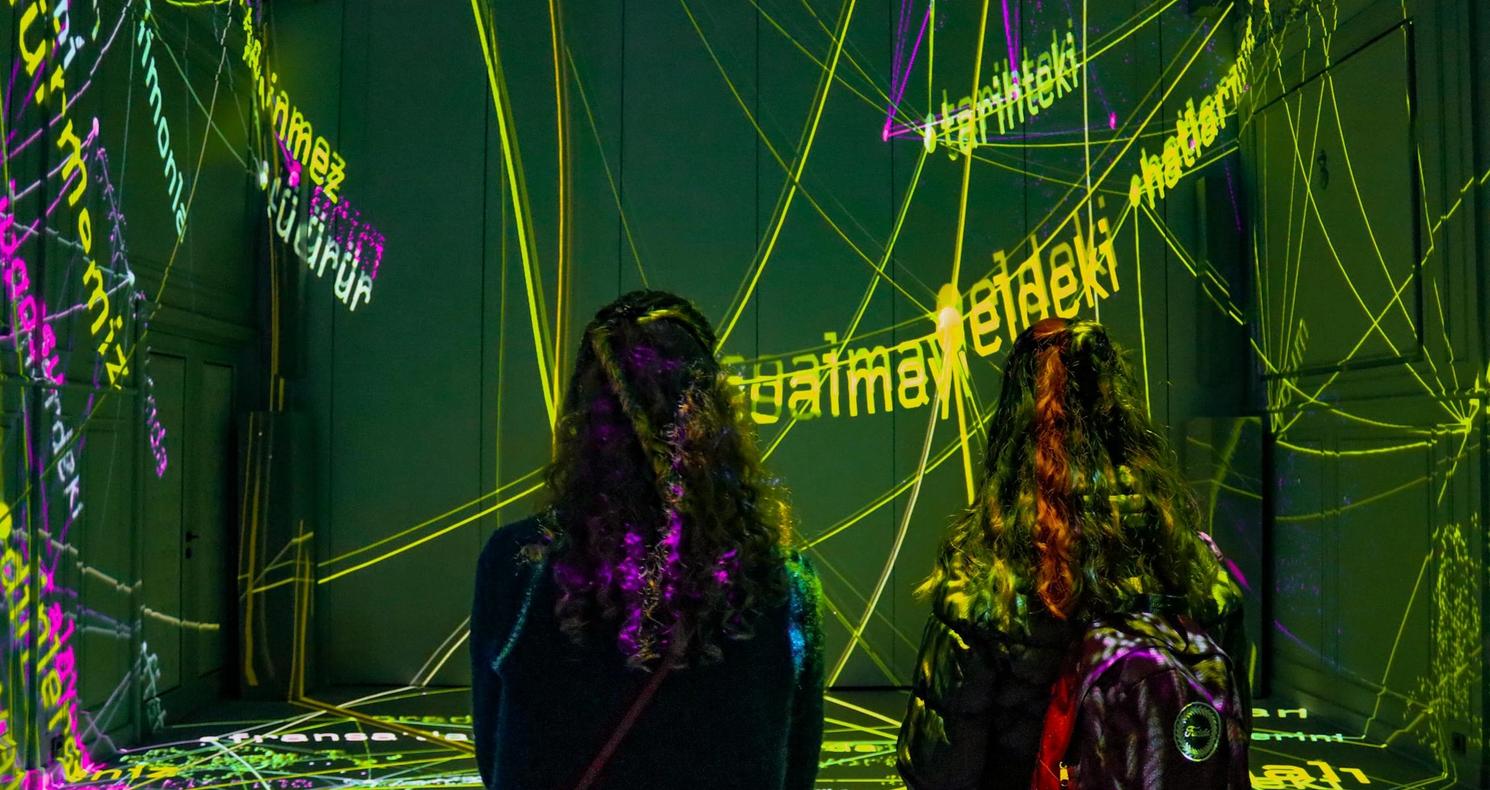
The education landscape is evolving rapidly with data analytics playing an increasingly central role in shaping student experiences. Progressive schools across Australia are now extending this data-driven approach beyond classroom walls, partnering with excursion providers who offer analytics-enhanced educational experiences. These partnerships are revolutionising the way schools measure impact, personalise learning, and address educational equity concerns.
The Rise of Analytics in Educational Excursions
Teachers are increasingly using real-time insights to understand student progress at any given moment and track performance over time. This trend has expanded to include educational excursions, with providers now offering sophisticated analytics to help schools maximise the impact of these experiences.
The shift comes as schools face growing pressure to justify the educational value of excursions while ensuring they address the specific needs of diverse student populations. Data-driven approaches offer a solution, providing concrete evidence of learning outcomes while enabling personalisation.
How Real-Time Analytics Enhance Excursion Experiences
Leading excursion providers are implementing several approaches to data collection and analysis:
Pre-Excursion Diagnostics: Programs like those at Questacon now offer preliminary assessments that identify student knowledge gaps before visits, allowing for customised experiences.
Real-Time Engagement Tracking: Providers such as The Australian Museum employ digital tools that monitor student interaction with exhibits, identifying which elements generate the most engagement and learning.
Post-Visit Assessment: Melbourne Museum provides tools that measure knowledge retention following excursions, helping teachers identify areas that may need reinforcement.
Longitudinal Impact Analysis: Progressive programs track the long-term impact of excursions on student outcomes, providing schools with valuable data on the return on investment for these experiences.
Exemplary Data-Driven Excursion Providers Across Australia
Analysis of EdTripper's database reveals several standout providers implementing analytics-enhanced educational experiences:
New South Wales
Sydney Observatory utilises adaptive learning pathways during their astronomy programs, with students receiving personalised challenges based on their responses to initial activities. Their "Cosmic Data Explorer" program for Years 7-10 includes real-time feedback systems that adapt content difficulty according to student performance.
Victoria
First Pivot teaches kids about the key elements of entrepreneurialism and what understanding data can help you build in the world.
Queensland
Queensland Museum offers programs with integrated learning analytics that track individual and group progress through interactive exhibits, identifying areas where students excel or struggle with scientific concepts.
Personalised Learning Through Adaptive Experiences
Real-time analytics enable excursion providers to deliver truly personalised learning experiences:
Dynamic Content Adjustment: Programs at The Powerhouse Museum adjust the complexity of information presented based on student responses, ensuring appropriate challenge levels.
Interest-Based Pathways: Australian Technology Park offers students choice points within their programs, tracking which options different learners select to build understanding of interest patterns.
Skill-Specific Challenges: Providers like CSIRO tailor hands-on activities to develop specific skills that data indicates individual students need to strengthen.
Learning Style Adaptation: Advanced programs identify preferred learning modalities and adjust delivery methods accordingly, from visual presentations to hands-on experiments.
Addressing Educational Equity Through Data
Data-driven excursion providers are helping schools address the achievement gap between metropolitan students and those in rural and remote communities, who are on average 2.5 years behind their city peers:
Targeted Intervention Design: Some providers analyse performance data to develop specialised programs addressing the specific needs of underserved student populations.
Virtual Extension Programs: Leading providers offer data-informed virtual experiences that extend the benefits of physical excursions to remote students who cannot travel to metropolitan centres.
Evidence-Based Subsidy Allocation: Some education departments use performance data to subsidise excursions for schools demonstrating the greatest need for experiential learning support.
Outcome Measurement: Analytics enable precise measurement of how excursions impact different student demographics, ensuring equity initiatives are based on evidence rather than assumptions.
Implementing Data-Driven Excursions in Your School
Schools looking to maximise the benefits of analytics-enhanced excursions should:
'%3e%3cpath%20d='M12%2021C16.9706%2021%2021%2016.9706%2021%2012C21%207.02944%2016.9706%203%2012%203C7.02944%203%203%207.02944%203%2012C3%2016.9706%207.02944%2021%2012%2021Z'%20stroke='%23FEFDFB'%20stroke-width='1.5'%20stroke-linecap='round'%20stroke-linejoin='round'/%3e%3cpath%20d='M15.75%208.25H14.25C13.6533%208.25%2013.081%208.48705%2012.659%208.90901C12.2371%209.33097%2012%209.90326%2012%2010.5V21'%20stroke='%23FEFDFB'%20stroke-width='1.5'%20stroke-linecap='round'%20stroke-linejoin='round'/%3e%3cpath%20d='M9%2013.5H15'%20stroke='%23FEFDFB'%20stroke-width='1.5'%20stroke-linecap='round'%20stroke-linejoin='round'/%3e%3c/g%3e%3cdefs%3e%3cclipPath%20id='clip0_1_616'%3e%3crect%20width='24'%20height='24'%20fill='white'/%3e%3c/clipPath%3e%3c/defs%3e%3c/svg%3e)
'%3e%3cpath%20d='M13.3332%2017.5001C15.6344%2017.5001%2017.4998%2015.6346%2017.4998%2013.3334C17.4998%2011.0322%2015.6344%209.16675%2013.3332%209.16675C11.032%209.16675%209.1665%2011.0322%209.1665%2013.3334C9.1665%2015.6346%2011.032%2017.5001%2013.3332%2017.5001Z'%20stroke='%23FEFDFB'%20stroke-width='1.66667'%20stroke-miterlimit='10'/%3e%3cpath%20d='M18.3335%203.33325H8.3335C5.57207%203.33325%203.3335%205.57183%203.3335%208.33325V18.3333C3.3335%2021.0947%205.57207%2023.3333%208.3335%2023.3333H18.3335C21.0949%2023.3333%2023.3335%2021.0947%2023.3335%2018.3333V8.33325C23.3335%205.57183%2021.0949%203.33325%2018.3335%203.33325Z'%20stroke='%23FEFDFB'%20stroke-width='1.66667'%20stroke-linecap='round'%20stroke-linejoin='round'/%3e%3cpath%20d='M18.75%209.16675C19.4404%209.16675%2020%208.6071%2020%207.91675C20%207.22639%2019.4404%206.66675%2018.75%206.66675C18.0596%206.66675%2017.5%207.22639%2017.5%207.91675C17.5%208.6071%2018.0596%209.16675%2018.75%209.16675Z'%20fill='%23FEFDFB'/%3e%3c/g%3e%3cdefs%3e%3cclipPath%20id='clip0_36_178'%3e%3crect%20width='26.6667'%20height='26.6667'%20fill='white'/%3e%3c/clipPath%3e%3c/defs%3e%3c/svg%3e)
'%3e%3cpath%20d='M20.25%203H3.75C3.33579%203%203%203.33579%203%203.75V20.25C3%2020.6642%203.33579%2021%203.75%2021H20.25C20.6642%2021%2021%2020.6642%2021%2020.25V3.75C21%203.33579%2020.6642%203%2020.25%203Z'%20stroke='%23FEFDFB'%20stroke-width='1.5'%20stroke-linecap='round'%20stroke-linejoin='round'/%3e%3cpath%20d='M11.25%2010.5V16.5'%20stroke='%23FEFDFB'%20stroke-width='1.5'%20stroke-linecap='round'%20stroke-linejoin='round'/%3e%3cpath%20d='M8.25%2010.5V16.5'%20stroke='%23FEFDFB'%20stroke-width='1.5'%20stroke-linecap='round'%20stroke-linejoin='round'/%3e%3cpath%20d='M11.25%2013.125C11.25%2012.4288%2011.5266%2011.7611%2012.0188%2011.2688C12.5111%2010.7766%2013.1788%2010.5%2013.875%2010.5C14.5712%2010.5%2015.2389%2010.7766%2015.7312%2011.2688C16.2234%2011.7611%2016.5%2012.4288%2016.5%2013.125V16.5'%20stroke='%23FEFDFB'%20stroke-width='1.5'%20stroke-linecap='round'%20stroke-linejoin='round'/%3e%3cpath%20d='M8.25%209C8.87132%209%209.375%208.49632%209.375%207.875C9.375%207.25368%208.87132%206.75%208.25%206.75C7.62868%206.75%207.125%207.25368%207.125%207.875C7.125%208.49632%207.62868%209%208.25%209Z'%20fill='%23FEFDFB'/%3e%3c/g%3e%3cdefs%3e%3cclipPath%20id='clip0_1_621'%3e%3crect%20width='24'%20height='24'%20fill='white'/%3e%3c/clipPath%3e%3c/defs%3e%3c/svg%3e)