Digital Citizenship Beyond the Classroom: How Schools Are Making Online Safety Real for Students
Safer Internet Day can easily become posters and reminders. But many schools are making digital citizenship more tangible through guest speakers, peer-led workshops, and community sessions that bring real stories and real consequences into the room.
By Johnny Paul
Published on 9 March 2026
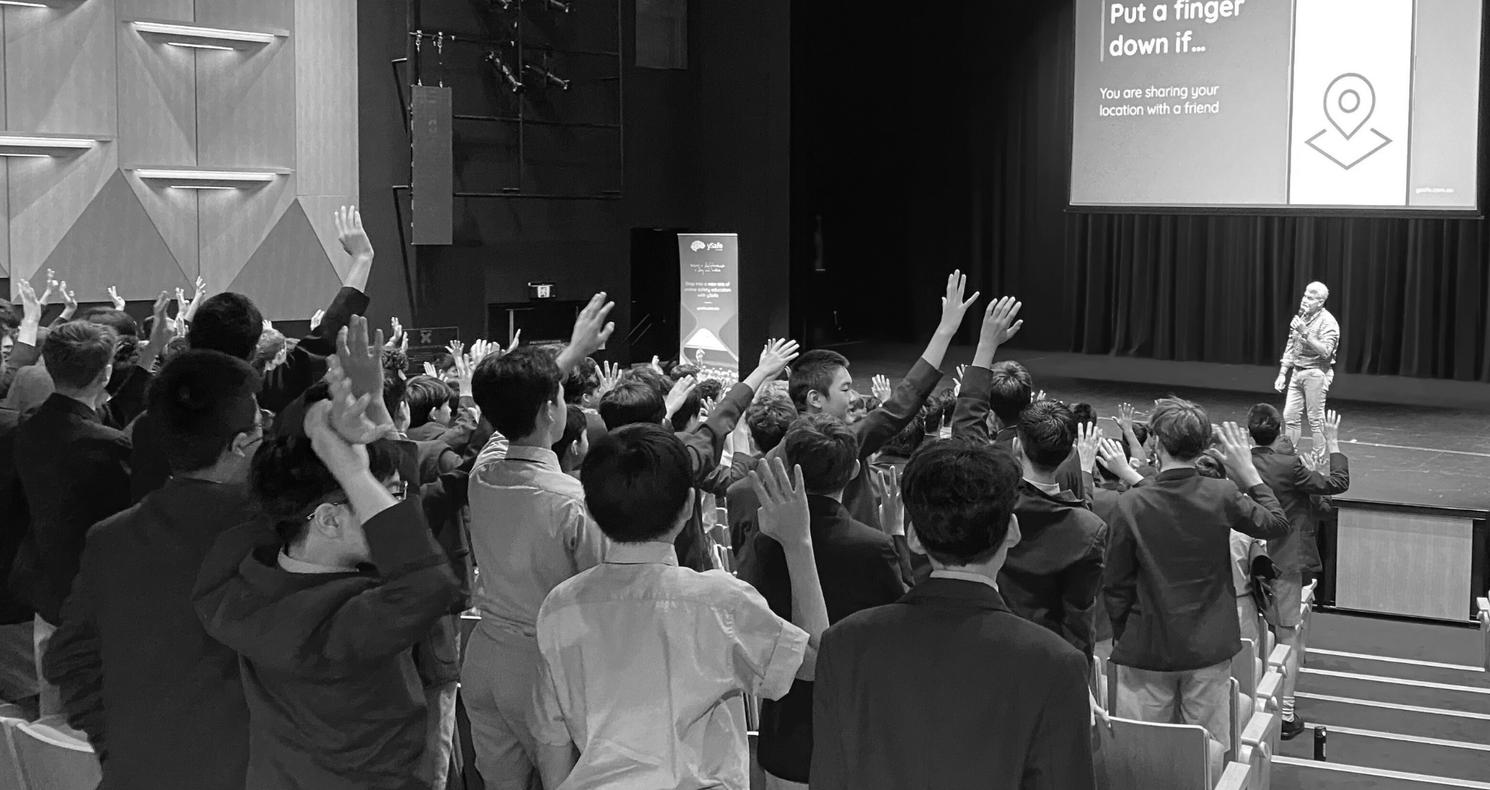
It usually starts with something small.
A message screenshot passed across a desk. A parent email about a group chat. A student who cannot explain why everyone is laughing at them. A teacher trying to untangle a disagreement that did not happen in the playground but arrives at school anyway, fully formed, already shared, already saved.
This is the point where digital citizenship stops being abstract.
Safer Internet Day lands early each year - in 2026 it falls on Tuesday 10 February - and for many schools it is a useful prompt to reset expectations while routines are still forming. But it can also be frustrating, because online safety is rarely solved by a single assembly, a poster campaign, or a one-off lesson.
And the context has shifted. Since 10 December 2025, Australia’s social media minimum age rules have required age-restricted platforms to take reasonable steps to prevent under-16s from having accounts, often described as a “ban”, but framed by eSafety as a delay to having accounts, with no penalties for young people or parents. That reality is filtering into school conversations: students notice the change, families ask what it means, and “digital citizenship” starts to sound less like a poster and more like a shared, practical problem to solve.
Across Australia, more schools are shifting the way they teach it. Not by adding more rules, but by changing the experience.
They are bringing the real world into the conversation.
Why digital citizenship is hard to teach in theory
Teachers know the usual ingredients. A behaviour matrix. A school policy. A short classroom discussion about respectful communication and privacy. A reminder that what goes online stays online.
None of that is wrong. But it often sits in the same category as road safety worksheets: sensible, necessary, and easy for students to treat as background noise until something goes wrong.
There are a few reasons it can struggle to land.
First, online behaviour is social, emotional, and status-driven. Students are not making decisions in calm conditions. They are making them in a moment, usually in front of an audience, often with a phone in their hand and a feeling in their chest.
Second, consequences can feel invisible. A student can harm someone without hearing their tone of voice or seeing their face. They can delete a message and feel like it has disappeared, even when it has not.
Third, the online world changes faster than most school programs. New platforms, new trends, new ways to hurt each other, and new ways to hide it. That creates a gap between policy language and what students are actually doing.
This is where experiences beyond the classroom start to matter. Not because teachers are not capable of teaching it, but because the form of the learning needs to match the reality of the behaviour.
Bringing the real world into the conversation
When schools bring in guest presenters, youth facilitators, or interactive workshops, the goal is usually simple.
Make it real enough that students can recognise themselves in it.
That might look like a police led session about online grooming and exploitation, delivered with real case examples and clear boundaries. ThinkUKnow, led by the Australian Federal Police, is one example of this approach and offers presentations for schools alongside educator and family resources.
It might look like a youth-led workshop that tackles bullying and online cruelty through stories, discussion, and social dynamics that feel familiar to students. Project Rockit positions its work as youth-driven and runs school workshops aimed at building skills to challenge bullying and improve online behaviour.
It might also look like schools using structured resources and scenarios from the eSafety Commissioner to support consistent language, privacy education, and classroom-ready activities.
The common thread is not the brand. It is the method.
Schools are looking for ways to move online safety from a rule set into something students can feel, talk about, and rehearse.
Three approaches schools are using
Most programs schools choose sit somewhere across three broad approaches. Many schools use a blend.
1. Legal and protective framing
This approach is about safety, boundaries, and the realities of harm.
It often includes law enforcement voices or protective services, and it tends to focus on grooming, image-based abuse, and what to do when something crosses a line.
When it works well, it is calm, factual, and age-appropriate. It gives students a clear sense that some online behaviour is not just unkind, it is unsafe, and adults will respond.
The strength of this approach is clarity. The risk is tone. If it becomes fear-based, students either shut down or turn it into a joke.
The best sessions tend to be those that leave students with simple actions and language they can actually use: how to tell a trusted adult, how to save evidence without spreading it, how to support a friend.
2. Peer-led and culture-focused learning
This approach treats online behaviour as a social problem, not just a safety problem.
It focuses on bystanders, group dynamics, status, and what students do when they see harm unfolding in real time. It makes room for the messy middle: the friend who forwards something, the student who laughs along, the moment when it feels easier to join in than to interrupt it.
Youth-led workshops are often used here because students listen differently when the messenger feels closer to their world. Project Rockit is one example of a youth driven model schools use to address bullying and online behaviour.
The strength of this approach is engagement. Students tend to talk more. The challenge is follow-through. It needs classroom and pastoral care adults to pick up the thread afterwards, or it becomes a powerful moment that fades.
3. Whole school digital wellbeing and skills building
This approach is more preventative and more routine.
It might sit inside wellbeing programs, pastoral care time, or a term-long focus. It can include explicit teaching about privacy, digital footprint, respectful communication, and media literacy. The eSafety Commissioner’s classroom resources, including privacy and security activities and video resources, are one example of a structured toolkit schools use to build this learning over time.
Some schools also extend this approach into staff learning and parent sessions so that the language at home and at school is closer.
The strength of this approach is consistency. The risk is that it becomes too general, too polite, and too disconnected from the actual problems students are facing.
Why students respond differently to outside voices
Teachers do not bring in external voices because students do not respect teachers.
They do it because the social conditions change when someone new walks in.
An outside presenter can say the same message and it lands differently, partly because students are curious, partly because it feels like it matters enough for the school to bring in help, and partly because the stories are not hypothetical.
There is also something useful about shifting the emotional load.
When a class teacher is leading a conversation about online harm, they are also managing relationships, histories, and the reality that the students involved will still be in the room tomorrow. An external facilitator can sometimes hold the topic more directly, giving teachers space to observe and then support.
For students, outside voices can also introduce a different kind of authority. Not the authority of rules, but the authority of lived experience, real cases, and real consequences.
The role of parents and the wider school community
The more schools work on digital citizenship, the more obvious a truth becomes: this is not a classroom-only issue.
A student’s online world is shaped by home routines, devices, older siblings, private messaging, and what families consider normal. Schools can teach expectations, but they cannot control the environment students return to at 3.30 pm. That tension is sharper now that under-16 social media account access has become a national policy issue as well as a well-being one.
That is why many schools now build digital safety learning as a community effort.
Some include parent information nights alongside student sessions. Some share consistent resources for families. ThinkUKnow, for example, positions its program as supporting parents and carers as well as educators, alongside school presentations.
The goal is not to pressure parents. It is to reduce the gap between what students hear at school and what happens at home.
It also helps staff. When schools treat digital citizenship as a shared responsibility, it becomes easier for teachers to respond consistently, escalate concerns appropriately, and avoid carrying incidents alone.
A calmer way to think about Safer Internet Day
Safer Internet Day was useful as a moment, but it is not the work.
The work is what happens the week after, when a student tests a boundary again. When a parent wants to know what the school is doing. When a year adviser is trying to support a student whose reputation has been damaged by something they cannot take back.
What schools seem to be learning is that digital citizenship needs to be taught the way we teach the most important behaviour.
Not once, not loudly, and not only in response to a crisis.
It needs repetition, shared language, and real-world examples that students can recognise. Sometimes that comes from teachers. Sometimes it comes from the right outside voice at the right time. And increasingly, it comes from schools treating online behaviour as part of their culture, not a special event.
'%3e%3cpath%20d='M12%2021C16.9706%2021%2021%2016.9706%2021%2012C21%207.02944%2016.9706%203%2012%203C7.02944%203%203%207.02944%203%2012C3%2016.9706%207.02944%2021%2012%2021Z'%20stroke='%23FEFDFB'%20stroke-width='1.5'%20stroke-linecap='round'%20stroke-linejoin='round'/%3e%3cpath%20d='M15.75%208.25H14.25C13.6533%208.25%2013.081%208.48705%2012.659%208.90901C12.2371%209.33097%2012%209.90326%2012%2010.5V21'%20stroke='%23FEFDFB'%20stroke-width='1.5'%20stroke-linecap='round'%20stroke-linejoin='round'/%3e%3cpath%20d='M9%2013.5H15'%20stroke='%23FEFDFB'%20stroke-width='1.5'%20stroke-linecap='round'%20stroke-linejoin='round'/%3e%3c/g%3e%3cdefs%3e%3cclipPath%20id='clip0_1_616'%3e%3crect%20width='24'%20height='24'%20fill='white'/%3e%3c/clipPath%3e%3c/defs%3e%3c/svg%3e)
'%3e%3cpath%20d='M13.3332%2017.5001C15.6344%2017.5001%2017.4998%2015.6346%2017.4998%2013.3334C17.4998%2011.0322%2015.6344%209.16675%2013.3332%209.16675C11.032%209.16675%209.1665%2011.0322%209.1665%2013.3334C9.1665%2015.6346%2011.032%2017.5001%2013.3332%2017.5001Z'%20stroke='%23FEFDFB'%20stroke-width='1.66667'%20stroke-miterlimit='10'/%3e%3cpath%20d='M18.3335%203.33325H8.3335C5.57207%203.33325%203.3335%205.57183%203.3335%208.33325V18.3333C3.3335%2021.0947%205.57207%2023.3333%208.3335%2023.3333H18.3335C21.0949%2023.3333%2023.3335%2021.0947%2023.3335%2018.3333V8.33325C23.3335%205.57183%2021.0949%203.33325%2018.3335%203.33325Z'%20stroke='%23FEFDFB'%20stroke-width='1.66667'%20stroke-linecap='round'%20stroke-linejoin='round'/%3e%3cpath%20d='M18.75%209.16675C19.4404%209.16675%2020%208.6071%2020%207.91675C20%207.22639%2019.4404%206.66675%2018.75%206.66675C18.0596%206.66675%2017.5%207.22639%2017.5%207.91675C17.5%208.6071%2018.0596%209.16675%2018.75%209.16675Z'%20fill='%23FEFDFB'/%3e%3c/g%3e%3cdefs%3e%3cclipPath%20id='clip0_36_178'%3e%3crect%20width='26.6667'%20height='26.6667'%20fill='white'/%3e%3c/clipPath%3e%3c/defs%3e%3c/svg%3e)
'%3e%3cpath%20d='M20.25%203H3.75C3.33579%203%203%203.33579%203%203.75V20.25C3%2020.6642%203.33579%2021%203.75%2021H20.25C20.6642%2021%2021%2020.6642%2021%2020.25V3.75C21%203.33579%2020.6642%203%2020.25%203Z'%20stroke='%23FEFDFB'%20stroke-width='1.5'%20stroke-linecap='round'%20stroke-linejoin='round'/%3e%3cpath%20d='M11.25%2010.5V16.5'%20stroke='%23FEFDFB'%20stroke-width='1.5'%20stroke-linecap='round'%20stroke-linejoin='round'/%3e%3cpath%20d='M8.25%2010.5V16.5'%20stroke='%23FEFDFB'%20stroke-width='1.5'%20stroke-linecap='round'%20stroke-linejoin='round'/%3e%3cpath%20d='M11.25%2013.125C11.25%2012.4288%2011.5266%2011.7611%2012.0188%2011.2688C12.5111%2010.7766%2013.1788%2010.5%2013.875%2010.5C14.5712%2010.5%2015.2389%2010.7766%2015.7312%2011.2688C16.2234%2011.7611%2016.5%2012.4288%2016.5%2013.125V16.5'%20stroke='%23FEFDFB'%20stroke-width='1.5'%20stroke-linecap='round'%20stroke-linejoin='round'/%3e%3cpath%20d='M8.25%209C8.87132%209%209.375%208.49632%209.375%207.875C9.375%207.25368%208.87132%206.75%208.25%206.75C7.62868%206.75%207.125%207.25368%207.125%207.875C7.125%208.49632%207.62868%209%208.25%209Z'%20fill='%23FEFDFB'/%3e%3c/g%3e%3cdefs%3e%3cclipPath%20id='clip0_1_621'%3e%3crect%20width='24'%20height='24'%20fill='white'/%3e%3c/clipPath%3e%3c/defs%3e%3c/svg%3e)