Eight Creative Arts Programs That Double as Wellbeing Support
Term 4 brings fatigue, big feelings, and transitions. Creative arts programs that weave in wellbeing concepts give students a way to process their year while building social-emotional skills. Here are eight providers across NSW that blend art-making, drama, movement, and reflection — perfect for finishing the year on a high note.
By Johnny Paul
Published on 22 October 2025
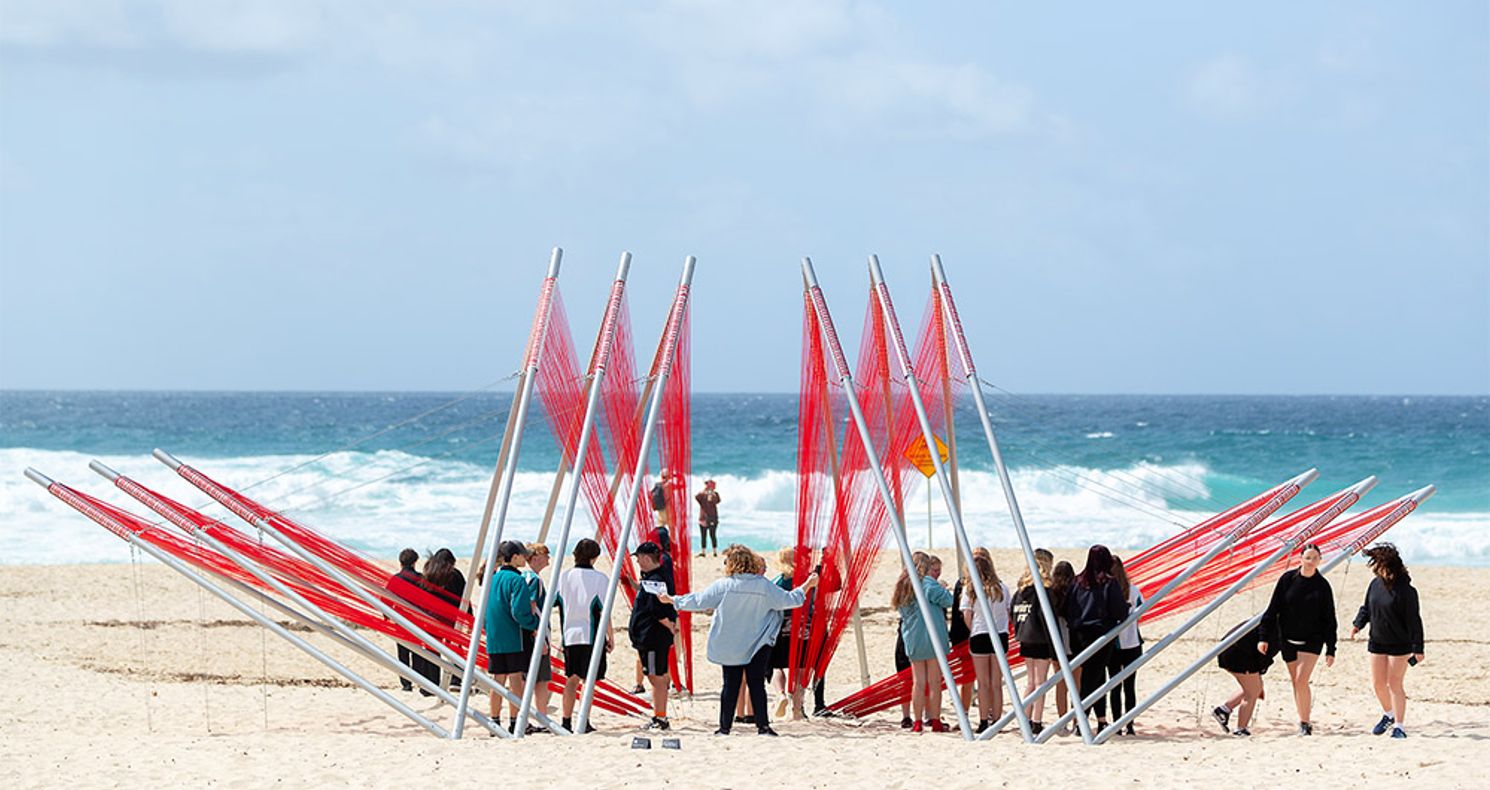
By Week 6 of Term 4, you can feel it in the air. Students are tired. Some are anxious about moving up a year level or transitioning to high school. Others are just done — emotionally, socially, academically. And if we're being honest, so are you.
This is the time of year when maintaining momentum feels like a minor miracle, and the idea of adding one more thing to your plate makes you want to laugh and cry simultaneously.
But here's what I've noticed from talking to teachers who navigate Term 4 well: the programs that actually help during this stretch aren't the ones that add complexity. They're the ones that give students (and you) a bit of breathing room while still delivering something meaningful.
Creative arts programs that incorporate wellbeing concepts tend to do this well. They give students a chance to step outside the daily routine, process their year through making or performing, and build social-emotional skills without it feeling like another lesson. And crucially, they don't require you to plan, resource, or facilitate the whole thing yourself.
Below are eight providers across NSW (and a couple with national reach) that blend creative arts with wellbeing support. Some are incursions that come to you. Others are excursions that get students off-site. All of them are designed to be drop-in-ready, which means your job is mostly just booking and showing up.
1. Brainstorm Productions (NSW & National)
What they do: Interactive theatre programs that tackle wellbeing topics — anxiety, resilience, cyberbullying, friendships, transitions — through live performance followed by facilitated discussions.
Why it works for Term 4: The shows are engaging enough to hold attention even when students are running on fumes, and the post-show discussions give students language for the feelings they're already having about the year ending. The programs align with PDHPE outcomes around self-awareness and interpersonal relationships.
Stage fit: K–12 (age-specific shows)
Format: Incursion (they bring everything)
Curriculum links: PDHPE, Drama
2. The Art Room Project (Sydney)
What they do: Mobile art therapy-style workshops where students create visual art while exploring themes like identity, emotions, change, and connection. Led by trained art educators with wellbeing backgrounds.
Why it works for Term 4: It's calming, non-competitive, and gives students something tangible to take home. The facilitators are skilled at holding space for big feelings without making it feel like a counselling session. Works particularly well for students who process better through making than talking.
Stage fit: ES1–S3
Format: Incursion (half-day or full-day workshops)
Curriculum links: Visual Arts, PDHPE
3. Shopfront Arts Co-op (Sydney & Regional NSW)
What they do: Drama and performance programs for young people, with a strong focus on creative expression, collaboration, and building confidence. They offer school workshops that use improvisation, devising, and ensemble work to explore identity and belonging.
Why it works for Term 4: It gets students moving, laughing, and working together in low-stakes ways. The programs are designed to be inclusive and adaptive, which matters when you've got a wide range of emotional and social needs in the room.
Stage fit: S2–S3 (primary and secondary)
Format: Incursion or excursion (workshops at their space in Carlton)
Curriculum links: Drama, PDHPE, English
4. Mindful Movers (NSW)
What they do: Movement-based wellbeing workshops that combine yoga, mindfulness, and creative dance. Sessions are structured around themes like managing stress, building body awareness, and developing resilience through physical practice.
Why it works for Term 4: It's active without being competitive, which is perfect for students who are burned out on structured sport or high-stakes activities. The mindfulness component gives students practical tools they can use beyond the session.
Stage fit: ES1–S3
Format: Incursion (single session or multi-week block)
Curriculum links: PDHPE, Dance
5. Art Gallery of NSW — Artful Thinking (Sydney)
What they do: Gallery-based programs that use visual arts as a starting point for conversations about perception, empathy, and meaning-making. Students engage with artworks through guided looking, discussion, and creative response activities.
Why it works for Term 4: It's off-site, which automatically shifts the energy. The programs are designed to be reflective and open-ended, giving students permission to slow down and think differently. Strong for students who respond well to visual stimulus.
Stage fit: S2–S3 (primary and secondary programs available)
Format: Excursion (half-day)
Curriculum links: Visual Arts, Critical and Creative Thinking, PDHPE
6. Soundtrack Your Life (NSW & National)
What they do: Music-based wellbeing workshops where students explore emotions, memories, and identity through listening to and creating music. Sessions might include songwriting, playlist curation, or discussions about how music shapes mood and experience.
Why it works for Term 4: Music is universally accessible, and most students already have strong emotional connections to it. The programs tap into that existing relationship and use it as a way to explore wellbeing concepts without heavy-handedness.
Stage fit: S2–S3 (especially strong for secondary)
Format: Incursion (single workshop or series)
Curriculum links: Music, PDHPE, English
7. Reframe Creative (Sydney & Regional NSW)
What they do: Photography and digital storytelling workshops that help students document their experiences, reflect on their year, and create visual narratives about change, growth, or community. Programs can be tailored to different themes depending on what your cohort needs.
Why it works for Term 4: It's future-facing and reflective at the same time. Students get to think about where they've been and where they're going, but through a creative medium that feels modern and relevant. Also produces work that can be used for end-of-year exhibitions or portfolios.
Stage fit: S2–S3 (primary and secondary)
Format: Incursion or excursion (workshops can happen on-site or at their studio)
Curriculum links: Visual Arts, Digital Media, PDHPE
8. Writing Through (NSW & National)
What they do: Creative writing workshops focused on self-expression, storytelling, and using words to process emotions and experiences. Sessions might involve poetry, journaling, short fiction, or memoir writing, depending on the age group.
Why it works for Term 4: Writing gives students a private, low-pressure way to reflect on their year. The workshops are designed to be supportive rather than evaluative, which matters when students are already feeling assessed and scrutinized.
Stage fit: S2–S3 (especially strong for upper primary and secondary)
Format: Incursion (single session or multi-week program)
Curriculum links: English, PDHPE, Critical and Creative Thinking
Why This Approach Works
The reason creative arts programs tend to land well in Term 4 is that they offer something schools often struggle to provide at this time of year: space.
Space to slow down. Space to feel things. Space to make something without being graded on it. Space to connect with peers in ways that aren't about performance or competition.
Research backs this up — wellbeing in schools isn't just an add-on, it's linked to engagement, behaviour, social skills, and overall classroom climate. Creative arts provide a natural vehicle for wellbeing work because they're process-oriented, expressive, and collaborative by nature.
When a student makes a piece of art, writes a poem, performs in a drama workshop, or moves through a mindfulness exercise, they're building self-awareness, emotional regulation, and interpersonal skills. They're also — and this matters — getting a break from the relentless pace of content delivery and assessment that defines most of the school year.
How to Actually Make This Happen
If you're thinking about booking one of these programs for Term 4, here's what I'd suggest:
Book early. Term 4 fills up fast for wellbeing and arts providers. If you're reading this in Week 1 or 2, you're in good shape. If you're reading it in Week 5, your options might be more limited.
Align it with what's already happening. If your school has a wellbeing week, transition program, or end-of-year reflection focus, slot the program into that existing structure. It'll feel more intentional and less like a random add-on.
Communicate the purpose to students and parents. Frame it as part of your school's commitment to wellbeing and creative development, not just as "something fun to do at the end of the year." That shifts the perception and gets better buy-in.
Don't overthink the follow-up. Some of these programs come with extension activities or debrief resources, which is great if you have capacity. If you don't, that's fine too. Sometimes the experience itself is enough.
Consider your cohort's needs. A Year 6 class preparing for high school might benefit from something different than a Kindergarten class learning what it means to move up to Year 1. Match the program to where your students are at emotionally and developmentally.
The Bottom Line
Term 4 is hard. Students are tired, transitions are looming, and the emotional load in classrooms is real. Creative arts programs that weave in wellbeing support won't solve everything, but they can create moments of connection, reflection, and relief that make the final stretch more manageable — for students and for you.
These eight providers are all doing solid work in this space. They're experienced, curriculum-aware, and designed to slot into school life without requiring massive amounts of teacher prep or coordination.
If you're looking for more options or want to search by location, year level, or specific wellbeing focus, the EdTripper platform has a searchable database of creative arts and wellbeing providers across Australia.
You're almost there. Just a few more weeks.
'%3e%3cpath%20d='M12%2021C16.9706%2021%2021%2016.9706%2021%2012C21%207.02944%2016.9706%203%2012%203C7.02944%203%203%207.02944%203%2012C3%2016.9706%207.02944%2021%2012%2021Z'%20stroke='%23FEFDFB'%20stroke-width='1.5'%20stroke-linecap='round'%20stroke-linejoin='round'/%3e%3cpath%20d='M15.75%208.25H14.25C13.6533%208.25%2013.081%208.48705%2012.659%208.90901C12.2371%209.33097%2012%209.90326%2012%2010.5V21'%20stroke='%23FEFDFB'%20stroke-width='1.5'%20stroke-linecap='round'%20stroke-linejoin='round'/%3e%3cpath%20d='M9%2013.5H15'%20stroke='%23FEFDFB'%20stroke-width='1.5'%20stroke-linecap='round'%20stroke-linejoin='round'/%3e%3c/g%3e%3cdefs%3e%3cclipPath%20id='clip0_1_616'%3e%3crect%20width='24'%20height='24'%20fill='white'/%3e%3c/clipPath%3e%3c/defs%3e%3c/svg%3e)
'%3e%3cpath%20d='M13.3332%2017.5001C15.6344%2017.5001%2017.4998%2015.6346%2017.4998%2013.3334C17.4998%2011.0322%2015.6344%209.16675%2013.3332%209.16675C11.032%209.16675%209.1665%2011.0322%209.1665%2013.3334C9.1665%2015.6346%2011.032%2017.5001%2013.3332%2017.5001Z'%20stroke='%23FEFDFB'%20stroke-width='1.66667'%20stroke-miterlimit='10'/%3e%3cpath%20d='M18.3335%203.33325H8.3335C5.57207%203.33325%203.3335%205.57183%203.3335%208.33325V18.3333C3.3335%2021.0947%205.57207%2023.3333%208.3335%2023.3333H18.3335C21.0949%2023.3333%2023.3335%2021.0947%2023.3335%2018.3333V8.33325C23.3335%205.57183%2021.0949%203.33325%2018.3335%203.33325Z'%20stroke='%23FEFDFB'%20stroke-width='1.66667'%20stroke-linecap='round'%20stroke-linejoin='round'/%3e%3cpath%20d='M18.75%209.16675C19.4404%209.16675%2020%208.6071%2020%207.91675C20%207.22639%2019.4404%206.66675%2018.75%206.66675C18.0596%206.66675%2017.5%207.22639%2017.5%207.91675C17.5%208.6071%2018.0596%209.16675%2018.75%209.16675Z'%20fill='%23FEFDFB'/%3e%3c/g%3e%3cdefs%3e%3cclipPath%20id='clip0_36_178'%3e%3crect%20width='26.6667'%20height='26.6667'%20fill='white'/%3e%3c/clipPath%3e%3c/defs%3e%3c/svg%3e)
'%3e%3cpath%20d='M20.25%203H3.75C3.33579%203%203%203.33579%203%203.75V20.25C3%2020.6642%203.33579%2021%203.75%2021H20.25C20.6642%2021%2021%2020.6642%2021%2020.25V3.75C21%203.33579%2020.6642%203%2020.25%203Z'%20stroke='%23FEFDFB'%20stroke-width='1.5'%20stroke-linecap='round'%20stroke-linejoin='round'/%3e%3cpath%20d='M11.25%2010.5V16.5'%20stroke='%23FEFDFB'%20stroke-width='1.5'%20stroke-linecap='round'%20stroke-linejoin='round'/%3e%3cpath%20d='M8.25%2010.5V16.5'%20stroke='%23FEFDFB'%20stroke-width='1.5'%20stroke-linecap='round'%20stroke-linejoin='round'/%3e%3cpath%20d='M11.25%2013.125C11.25%2012.4288%2011.5266%2011.7611%2012.0188%2011.2688C12.5111%2010.7766%2013.1788%2010.5%2013.875%2010.5C14.5712%2010.5%2015.2389%2010.7766%2015.7312%2011.2688C16.2234%2011.7611%2016.5%2012.4288%2016.5%2013.125V16.5'%20stroke='%23FEFDFB'%20stroke-width='1.5'%20stroke-linecap='round'%20stroke-linejoin='round'/%3e%3cpath%20d='M8.25%209C8.87132%209%209.375%208.49632%209.375%207.875C9.375%207.25368%208.87132%206.75%208.25%206.75C7.62868%206.75%207.125%207.25368%207.125%207.875C7.125%208.49632%207.62868%209%208.25%209Z'%20fill='%23FEFDFB'/%3e%3c/g%3e%3cdefs%3e%3cclipPath%20id='clip0_1_621'%3e%3crect%20width='24'%20height='24'%20fill='white'/%3e%3c/clipPath%3e%3c/defs%3e%3c/svg%3e)