Five History Excursions in NSW That Cost Less Than Your Morning Coffee Run (And Actually Deliver)
Budget shouldn't decide who gets to learn outside the classroom. We've found five history excursions across NSW that cost less than $15 per student and genuinely deliver — from colonial kitchens to fossil museums to walking tours through Sydney's Indigenous and colonial past.
By Johnny Paul
Published on 2 May 2025
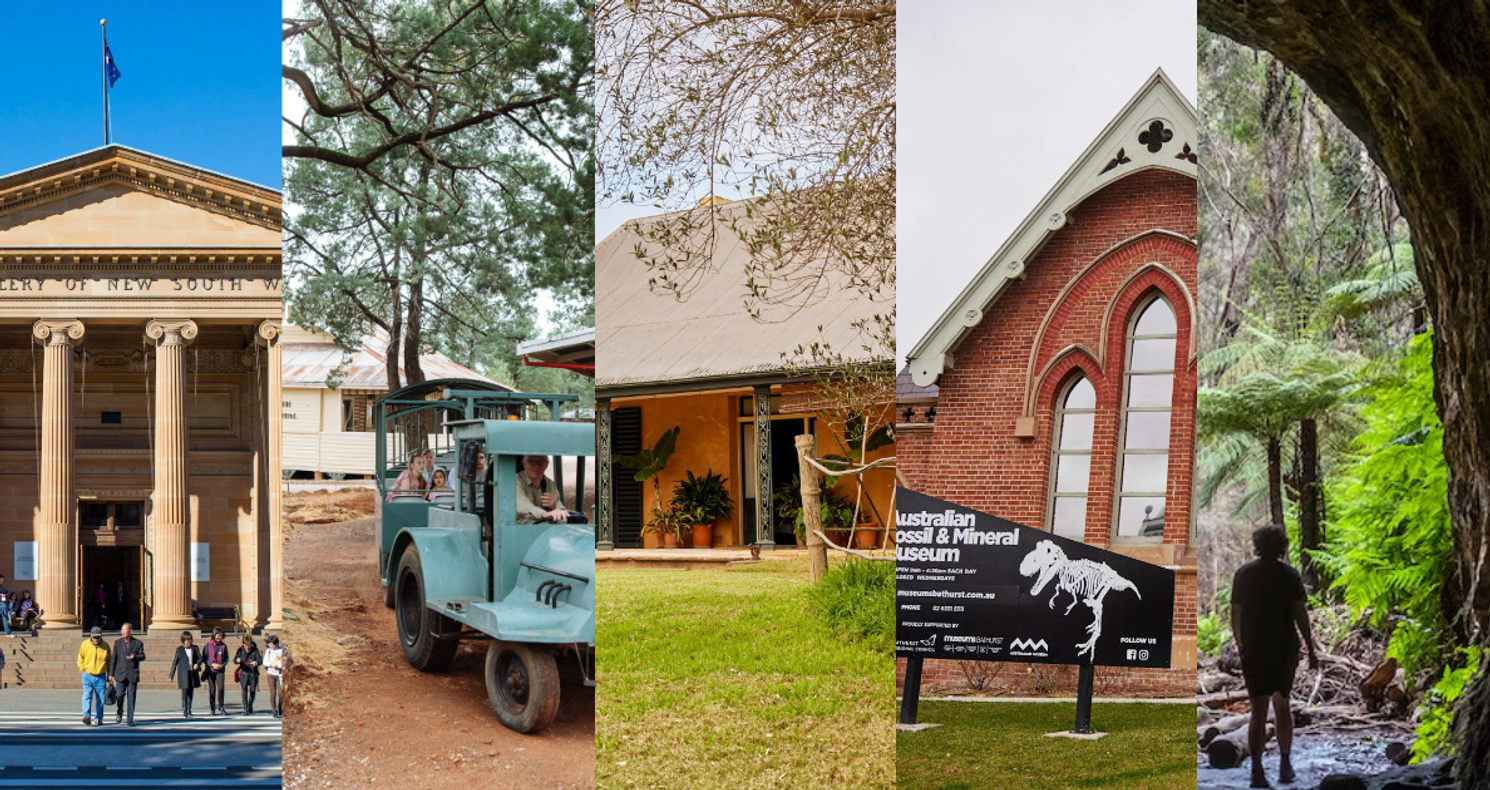
There's a conversation that happens in staffrooms across NSW every term, usually around Week 3 when someone floats the idea of a history excursion. It goes something like this: "That program looks amazing, but it's $28 per student, and we've got families who are already stretched, and we'd need to fundraise, and honestly, I just don't have the energy."
I get it. Budget is real. Equity is real. And the administrative weight of making an excursion happen — permission notes, risk assessments, parent communication, the inevitable last-minute chaos — is real too.
But here's what I've learned from digging into what's available across NSW: there are history programs out there that cost less than your morning coffee run and still manage to create the kind of learning moments that stick with students long after the bus ride home.
These aren't second-tier experiences. They're not watered-down versions of "the good stuff." They're thoughtfully designed programs led by people who understand curriculum, understand students, and understand that not every school has a bottomless excursion budget.
Here are five that are worth your time.
1. Cooking in the Old Days at Griffith Pioneer Park Museum — $10
Years: K–12 (adapted by age)
Where: Griffith
This one surprised me. At first glance, a culinary history program sounds like it might be niche, but the teachers I've spoken with who've taken students to Griffith Pioneer Park tell me it's anything but. Students step into an early 20th-century kitchen and learn how people cooked, preserved food, and managed daily life before refrigeration and microwaves.
For younger students, it's sensory and tactile — they're handling old kitchen tools, seeing wood-fired stoves, smelling herbs and spices that were used for preservation. For older students, it opens up conversations about technology, gender roles, migration, and how daily life has changed in ways we don't often stop to think about.
One Year 5 teacher told me her students were genuinely shocked that people used to spend hours each day just preparing meals. It's the kind of realisation that makes history feel human.

Griffith Pioneer Park
We are the primary disaster management agency for NSW, taking full responsibility for all facets of disaster recovery and promoting community resilience in the face of future disasters. Our role involves overseeing and coordinating emergency management policies and services, with a strong emphasis on achieving positive social, economic, infrastructure, and environmental outcomes.
With a steadfast commitment to the well-being of people and communities, we prioritize their needs in all our endeavors. Our approach to disaster recovery and resilience entails a comprehensive collaboration across various government entities, ensuring that individuals are taken care of, acknowledged, and empowered. By doing so, we strive to equip all communities in NSW with the necessary preparation and support to navigate their journey of recovery from any crisis or disaster event successfully.
2. Now and Then at Elizabeth Farm — $10
Years: 1–2
Where: Rosehill (Western Sydney)
Elizabeth Farm is one of those sites that feels like a gift to Stage 1 teachers. The Now and Then program is specifically designed for Years 1 and 2, and it does exactly what you'd want it to do — helps young students compare daily life in the past with their own lives today.
Students explore the historic house, handle replica objects, and engage with primary sources in a way that's age-appropriate and genuinely engaging. I've heard from teachers that the simplicity of the program is actually its strength. It's not trying to cover too much. It's just giving students a clear, tangible connection to the past.
And at $10 per student, it's accessible to most schools without needing a fundraising sausage sizzle.

Elizabeth Farm
Nestled in the picturesque suburb of Rosehill, Sydney, New South Wales, Australia, the esteemed Elizabeth Farm stands as a testament to history.
This historic estate, located at 70 Alice Street, served as the cherished family home for renowned wool pioneer John Macarthur and his beloved wife, Elizabeth Macarthur.
3. Lessons of the Past at Australian Fossil and Mineral Museum — $7
Years: 7–10
Where: Bathurst
This program does something clever — it uses natural history as a lens for thinking about human history, sustainability, and environmental change. Students explore fossils and geological specimens while discussing extinction events, climate shifts, and what we can learn from the past about our present environmental challenges.
It's cross-curricular in the best way. It supports both Science and History outcomes, and it gives students the chance to think critically about human impact on the planet through a long-view historical perspective.
At $7 per student, it's also the most affordable program on this list — and from what I've heard from secondary teachers in regional NSW, it's one that students actually enjoy. There's something about fossils that still captures attention, even in Year 9.

Australian Fossil and Mineral Museum
Spark curiosity, see something spectacular, relive history, visit legends, or get lost in the moment. From preschool to adult, Museums Bathurst visitors will discover something new in our life-long learning programs.
Based around real artefacts, syllabus linked programs inspire students to explore the world by using each museum’s unique collections as a starting point. Be inspired and build on classroom learning through objects and stories in museum educator or teacher led education experiences.
4. The Story of Sydney, from Indigenous Beginnings — $12
Years: 3–4
Where: Sydney CBD (walking tour with Sydney Walks)
Walking tours can sometimes feel like a gamble. Will the students stay engaged? Will it feel too static? Will it actually connect with curriculum?
This program, led by Sydney Walks, seems to thread that needle well. It's designed specifically for Stage 2 students studying First Contacts, and it takes them through Sydney's CBD to explore the city's Indigenous heritage and early colonial history from multiple perspectives.
What I appreciate about this one — based on feedback from teachers who've done it — is that it doesn't flatten the complexity. It acknowledges that Sydney's development involved both connection and dispossession, and it gives students space to think about those realities in an age-appropriate way.
At $12 per student, it's also one of the more affordable ways to bring First Nations perspectives into your history teaching in a meaningful, place-based way.

Sydney Walks
Hello, I am the owner of Sydney Walks and also a proud Sydneysider who loves to share his knowledge and experience with others. My interest in Sydney’s history and architecture comes from my Father who owned a construction company in Sydney. From an early age I would accompany him to sites, climbing to great heights on some of Sydney’s most iconic buildings, literally as they were being built. My own career started out with a hands-on trade in cabinetmaking, which progressed into joinery, estimating and then commercial interiors. Working as an estimator means to understand every single aspect of design, architecture and building, something which really suited me.
Growing up and living in Sydney, I remain passionate about Sydney’s history, architecture and culture, and along with Sydney’s finest and most experienced local guides, my mission is to entertain, enlighten and educate my guests about Sydney.
When I’m not out walking, I can also be found cycling, swimming at the beach, cheering my daughter from the side of a netball court, hosting backyard barbeques and generally enjoying suburban life on Sydney’s leafy north side. Come on a tour and let me share some of the best places in this great city with you.
5. Living History at Mount York — $13
Years: 3–4
Where: Blue Mountains (NSW National Parks)
NSW National Parks runs a number of education programs, and this one — based at Mount York — is a standout for Stage 2 classes. Students learn about the people, groups, and events that shaped the Blue Mountains region while also getting the benefit of being outdoors in a genuinely beautiful setting.
The program looks at how the landscape has been used and changed over time, which supports the Stage 2 History syllabus focus on continuity and change. It's also a reminder that not all history learning has to happen inside four walls.
One thing I've heard from teachers who've done this program: students remember it. There's something about learning history in the place where it happened that makes it stick differently.

NSW National Parks and Wildlife Service - Blue Mountains
Discover a world of adventure in NSW national parks, where rugged outback walking tracks and breathtaking coastal lookouts await. Immerse yourself in the beauty of nature as you explore picturesque campgrounds nestled amidst lush landscapes and relax on pristine beaches. With so much to offer, your options for unforgettable experiences are limitless in NSW national parks.
A Few More Worth Knowing About
If none of those five quite fit your needs, here are a few other budget-friendly options that sit just at or slightly above the $15 mark:
Big Art Day at Art Gallery of NSW ($15) — A full day exploring Australian art with historical perspectives woven in. Good for primary students who benefit from creative, visual learning.
Macquarie – The Father of Australia with Sydney Walks ($12) — A walking tour for Years 5–6 that examines Governor Macquarie's influence on early Sydney. Place-based and curriculum-aligned.
Art Making Classes at Hurstville Museum & Gallery ($8) — Affordable art sessions that often incorporate historical themes and techniques. Good for schools in the south.

Art Gallery NSW
Enhance Your Educational Experience at the Art Gallery of New South Wales with our dynamic learning programs. Immerse yourself in direct encounters with art, artists, and thought-provoking ideas. Our mission is to inspire students and teachers alike to forge meaningful connections with our rich collections and engaging exhibitions, fostering a deep appreciation for the world of art.

Hurstville Library Museum Gallery
Located in Hurstville, New South Wales, Hurstville Museum & Gallery showcases the rich cultural heritage of the local area. The museum and gallery are operated by a team of passionate professionals under the umbrella of the Georges River Council.
With a collection of around 6,000 objects and artworks, Hurstville Museum & Gallery aims to preserve and promote the history and artistic expressions of the community. The collection includes significant items that reflect the diverse cultural backgrounds and experiences of the people who call the region home.
Throughout the year, the museum and gallery present a dynamic and vibrant program of exhibitions. These exhibitions feature a range of themes, from local history and traditional art forms to contemporary and experimental artworks. With a focus on high quality and engaging displays, the exhibitions aim to inspire and educate visitors.
In addition to exhibitions, Hurstville Museum & Gallery offers a variety of public programs for people of all ages. These programs include artist talks, workshops, guided tours, and interactive activities. The museum and gallery strive to create an inclusive and welcoming environment where visitors can engage with the arts and history in meaningful ways.
Hurstville Museum & Gallery also provides educational programs tailored for school groups. These programs align with the curriculum requirements and offer students the opportunity to explore the local history and art through hands-on experiences. The museum and gallery work closely with schools to deliver engaging and enriching educational experiences.
Overall, Hurstville Museum & Gallery is a vibrant cultural hub that celebrates the local community's creativity, history, and diversity. It offers a range of exhibitions, public programs, and educational opportunities that cater to a wide audience, ensuring that everyone can engage with and appreciate the arts and heritage.
Sydney Walks
Hello, I am the owner of Sydney Walks and also a proud Sydneysider who loves to share his knowledge and experience with others. My interest in Sydney’s history and architecture comes from my Father who owned a construction company in Sydney. From an early age I would accompany him to sites, climbing to great heights on some of Sydney’s most iconic buildings, literally as they were being built. My own career started out with a hands-on trade in cabinetmaking, which progressed into joinery, estimating and then commercial interiors. Working as an estimator means to understand every single aspect of design, architecture and building, something which really suited me.
Growing up and living in Sydney, I remain passionate about Sydney’s history, architecture and culture, and along with Sydney’s finest and most experienced local guides, my mission is to entertain, enlighten and educate my guests about Sydney.
When I’m not out walking, I can also be found cycling, swimming at the beach, cheering my daughter from the side of a netball court, hosting backyard barbeques and generally enjoying suburban life on Sydney’s leafy north side. Come on a tour and let me share some of the best places in this great city with you.
Why This Matters
Budget shouldn't be the thing that decides which students get to learn outside the classroom. When excursions are priced at $30, $40, or $50 per student, schools start making difficult choices about who can participate and who can't. Some families can afford it. Others can't. And even when schools try to subsidise, there's only so much a P&C budget can stretch.
The programs on this list aren't charity offerings. They're not "budget versions." They're well-designed, curriculum-aligned learning experiences that happen to be priced in a way that makes them accessible to more students. That matters.
What to Think About When You're Choosing
If you're planning a history excursion and trying to balance educational value with budget reality, here's what I'd suggest paying attention to:
Does it align with what you're already teaching? The best excursions reinforce or extend classroom learning, not introduce something entirely disconnected. Check the curriculum links before you book.
Is it the right fit for your students' age and attention span? A two-hour walking tour might be perfect for Year 5 but exhausting for Year 1. Match the program to your cohort.
What's included in the price? Some programs include materials, worksheets, or follow-up resources. Others are just the experience itself. Know what you're getting.
Is it geographically realistic? A $10 program three hours away might still be out of reach once you factor in bus hire. Sometimes the best excursion is the one closest to school.
Quality history education doesn't require a hefty budget. It just requires programs that respect both the curriculum and the realities of school life. The five programs above do exactly that.
'%3e%3cpath%20d='M12%2021C16.9706%2021%2021%2016.9706%2021%2012C21%207.02944%2016.9706%203%2012%203C7.02944%203%203%207.02944%203%2012C3%2016.9706%207.02944%2021%2012%2021Z'%20stroke='%23FEFDFB'%20stroke-width='1.5'%20stroke-linecap='round'%20stroke-linejoin='round'/%3e%3cpath%20d='M15.75%208.25H14.25C13.6533%208.25%2013.081%208.48705%2012.659%208.90901C12.2371%209.33097%2012%209.90326%2012%2010.5V21'%20stroke='%23FEFDFB'%20stroke-width='1.5'%20stroke-linecap='round'%20stroke-linejoin='round'/%3e%3cpath%20d='M9%2013.5H15'%20stroke='%23FEFDFB'%20stroke-width='1.5'%20stroke-linecap='round'%20stroke-linejoin='round'/%3e%3c/g%3e%3cdefs%3e%3cclipPath%20id='clip0_1_616'%3e%3crect%20width='24'%20height='24'%20fill='white'/%3e%3c/clipPath%3e%3c/defs%3e%3c/svg%3e)
'%3e%3cpath%20d='M13.3332%2017.5001C15.6344%2017.5001%2017.4998%2015.6346%2017.4998%2013.3334C17.4998%2011.0322%2015.6344%209.16675%2013.3332%209.16675C11.032%209.16675%209.1665%2011.0322%209.1665%2013.3334C9.1665%2015.6346%2011.032%2017.5001%2013.3332%2017.5001Z'%20stroke='%23FEFDFB'%20stroke-width='1.66667'%20stroke-miterlimit='10'/%3e%3cpath%20d='M18.3335%203.33325H8.3335C5.57207%203.33325%203.3335%205.57183%203.3335%208.33325V18.3333C3.3335%2021.0947%205.57207%2023.3333%208.3335%2023.3333H18.3335C21.0949%2023.3333%2023.3335%2021.0947%2023.3335%2018.3333V8.33325C23.3335%205.57183%2021.0949%203.33325%2018.3335%203.33325Z'%20stroke='%23FEFDFB'%20stroke-width='1.66667'%20stroke-linecap='round'%20stroke-linejoin='round'/%3e%3cpath%20d='M18.75%209.16675C19.4404%209.16675%2020%208.6071%2020%207.91675C20%207.22639%2019.4404%206.66675%2018.75%206.66675C18.0596%206.66675%2017.5%207.22639%2017.5%207.91675C17.5%208.6071%2018.0596%209.16675%2018.75%209.16675Z'%20fill='%23FEFDFB'/%3e%3c/g%3e%3cdefs%3e%3cclipPath%20id='clip0_36_178'%3e%3crect%20width='26.6667'%20height='26.6667'%20fill='white'/%3e%3c/clipPath%3e%3c/defs%3e%3c/svg%3e)
'%3e%3cpath%20d='M20.25%203H3.75C3.33579%203%203%203.33579%203%203.75V20.25C3%2020.6642%203.33579%2021%203.75%2021H20.25C20.6642%2021%2021%2020.6642%2021%2020.25V3.75C21%203.33579%2020.6642%203%2020.25%203Z'%20stroke='%23FEFDFB'%20stroke-width='1.5'%20stroke-linecap='round'%20stroke-linejoin='round'/%3e%3cpath%20d='M11.25%2010.5V16.5'%20stroke='%23FEFDFB'%20stroke-width='1.5'%20stroke-linecap='round'%20stroke-linejoin='round'/%3e%3cpath%20d='M8.25%2010.5V16.5'%20stroke='%23FEFDFB'%20stroke-width='1.5'%20stroke-linecap='round'%20stroke-linejoin='round'/%3e%3cpath%20d='M11.25%2013.125C11.25%2012.4288%2011.5266%2011.7611%2012.0188%2011.2688C12.5111%2010.7766%2013.1788%2010.5%2013.875%2010.5C14.5712%2010.5%2015.2389%2010.7766%2015.7312%2011.2688C16.2234%2011.7611%2016.5%2012.4288%2016.5%2013.125V16.5'%20stroke='%23FEFDFB'%20stroke-width='1.5'%20stroke-linecap='round'%20stroke-linejoin='round'/%3e%3cpath%20d='M8.25%209C8.87132%209%209.375%208.49632%209.375%207.875C9.375%207.25368%208.87132%206.75%208.25%206.75C7.62868%206.75%207.125%207.25368%207.125%207.875C7.125%208.49632%207.62868%209%208.25%209Z'%20fill='%23FEFDFB'/%3e%3c/g%3e%3cdefs%3e%3cclipPath%20id='clip0_1_621'%3e%3crect%20width='24'%20height='24'%20fill='white'/%3e%3c/clipPath%3e%3c/defs%3e%3c/svg%3e)