How to Actually Plan a School Excursion in Victoria (Without Losing Your Mind)
Planning a school excursion shouldn't feel like project management. But it often does. Here's what I've learnt from Victorian teachers about making the process smoother, finding good value, and actually getting educational benefit from the day.
By Johnny Paul
Published on 30 April 2025
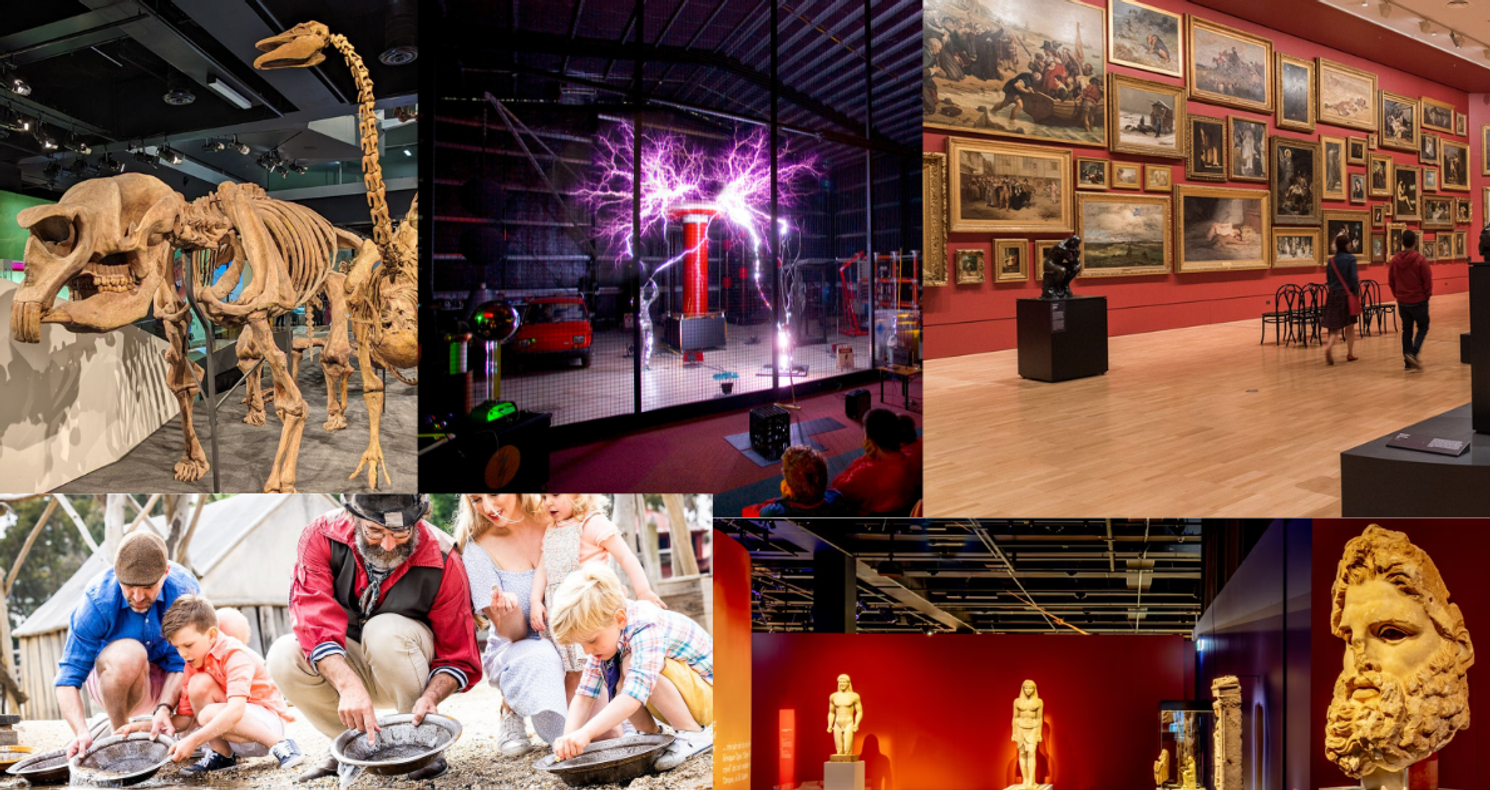
A Year 4 teacher in Melbourne told me she once spent five weeks planning an excursion to the zoo.
Five weeks. Not because the zoo was complicated. But because she was juggling phone calls to book the programme, emails to organise buses, permission slips that kept coming back unsigned, risk assessments that needed multiple sign-offs, and dietary requirements, she was still chasing the day before the trip.
"The excursion itself was great," she said. "The kids loved it. But I genuinely wondered if it was worth the stress."
I've heard this from enough teachers to know it's not an outlier. Planning excursions can feel overwhelming. There are a lot of moving parts. Budgets are tight. The stakes feel high because you're responsible for 30 kids in an unfamiliar environment. And often, you're doing it all on top of your regular teaching load.
So this guide is an attempt to make it easier. Not simple, because excursions are inherently complex. But easier. More manageable. Less likely to leave you questioning whether you'll bother next year.
Start with the 'why'
Before you do anything else, get clear on what you're trying to achieve.
This sounds obvious, but I've talked with teachers who've booked excursions because "we always go to X in Term 2" or because leadership suggested it or because another teacher recommended it. And those can be fine reasons. But if you don't know why you're going, it's hard to know if it was worth it.
So ask yourself: What do I want students to learn from this? How does it connect to what we're studying? What will they experience here that they couldn't experience in the classroom?
The point is: be intentional. If you can't articulate why the excursion matters, it probably doesn't.
Choosing the right experience
Victoria has an almost overwhelming number of excursion options. Museums, galleries, zoos, historical sites, outdoor education centres, cultural institutions, working farms. It's a lot.
Here's what seems to help:
Match it to your curriculum
The best excursions connect directly to what you're teaching. If you're doing a unit on Australian history, Sovereign Hill or the Immigration Museum might work. If you're teaching ecosystems, a zoo or sanctuary could be perfect. If you're covering physical sciences, Scienceworks has hands-on programmes that reinforce classroom learning.
Don't just pick something because it's nearby or cheap (though those things matter). Pick something that will genuinely extend what students are learning.
Consider your students
Some groups thrive on high-energy, interactive experiences. Others need something quieter and more structured. Some students have sensory sensitivities or mobility needs that rule out certain venues. Think about who your students are and what they can actually handle.
A primary teacher told me she avoids very loud or chaotic environments because she has several students with autism who find them overwhelming. That doesn't mean she doesn't do excursions. It just means she chooses carefully.
Look for programmes, not just venues
A lot of venues offer both self-guided visits and structured education programmes. The programmes are almost always better. They're curriculum-linked, facilitated by people who know how to work with students, and designed to maximise learning in a short time.
Yes, they often cost more. But the difference in educational value is significant.
Where to actually find these programmes
EdTripper exists to help with this part. We hope to help you discover what's new, relevant, and worth considering across Victoria. We cover exhibitions, programmes, and experiences through honest reviews and teacher perspectives, not marketing copy.
We do the research so you don’t have to!
Understanding costs (and finding value)
Let's talk money, because it matters.
Based on what I've seen across Victoria, most excursion programmes cost somewhere between $10 and $25 per student. The median is around $16, which is a useful benchmark if you're planning a budget.
But there's huge variation. Some programmes are free. Some cost $50 or more per student. Transport can add $10 to $40 per student. If you're doing lunch at a venue, that's another cost.
A few strategies that seem to help:
Look for free or low-cost options
There are excellent programmes that cost very little. The State Library of Victoria runs free sessions for schools. Some regional historical sites charge $8 to $10 per student. The Royal Botanic Gardens has free self-guided options (though the paid programmes are worth it if you can stretch the budget).
Free doesn't mean low quality. It just means someone else is subsidising it.
Book early for group discounts
Some providers offer discounts for larger groups or early bookings. It's worth asking.
Combine experiences
If you're travelling to a regional area, see if you can visit two sites in one day to make the transport cost worthwhile. Ballarat is great for this (Sovereign Hill and the Art Gallery are five minutes apart). So is Geelong (National Wool Museum and the waterfront).
Be honest about what you can afford
If the budget won't stretch, don't force it. A well-planned local excursion is better than a rushed, stressful trip to somewhere expensive.
The planning and approval process (and how to not make it harder than it needs to be)
Here's what planning an excursion typically involves: your school will have its own version:
- Find a suitable programme (this can take hours of searching websites and reading descriptions)
- Check availability for your preferred date
- Get quotes for transport
- Build a risk assessment
- Draft an itinerary with times, locations, and supervision
- Get approval from leadership
- Send home permission slips
- Chase up unsigned permission slips
- Collect payment (and chase up unpaid fees)
- Finalise numbers with the venue
- Confirm transport
- Organise supervision ratios
- Communicate details to parents, students, and supervising staff
- Prepare students for the experience
- Actually go on the excursion
It's a lot. And traditionally, it's involved a lot of Word documents, PDFs, emails, and hoping you haven't missed something critical.
The old way (and why it's painful)
A deputy principal in Geelong described what excursion approvals used to look like at her school:
"A teacher would email me a Word doc with a rough plan. I'd have questions about supervision or transport, so I'd email back. They'd update the doc and resend it. Meanwhile, someone else in leadership would also have questions. The teacher would make more changes. Then we'd realise the risk assessment was incomplete, so back it would go. By the time we finally approved it, weeks had passed and the teacher was exhausted."
This isn't unusual. The messy middle between "I have an idea" and "This excursion is approved" is where most of the frustration lives.
The problem isn't that teachers don't know what information they need. It's that there's no clear structure for putting it all together, and leadership can't approve what they can't clearly see.
How some schools are streamlining this
After hearing versions of this story too many times, we built VTR (vtr.school) to take the friction out of the approval process.
Instead of staring at a blank Word document, teachers are guided step by step through planning. The system prompts them for everything leadership will need to see: itinerary, supervision, transport, costs, risk controls. It all lives in one proposal that can be reviewed, approved, and referred back to later.
For leadership, it means no more chasing missing information or sending proposals back three times. Everything's there, clearly laid out, ready to review.
It doesn't make excursions magically easy. But it does remove the "I don't know where to start" feeling and the endless back and forth that delays approvals.
Planning timelines still matter
Whether you're using a tool like VTR or doing it manually, timelines haven't changed.
Most venues want at least four weeks' notice. Popular programmes (Melbourne Zoo, NGV, Scienceworks) can book out months in advance, especially in spring and autumn. If you're planning for Term 3, start looking in Term 1.
Some providers are more flexible, but don't count on being able to book something two weeks out.
What you'll need to provide
When you book, you'll typically need:
- Preferred date (and a backup)
- Number of students and year level
- Number of supervising adults
- Any accessibility requirements
- Dietary needs if lunch is included
- Arrival and departure times
- Emergency contact details
Have this information ready before you start the booking process. If you're using VTR, it'll prompt you for all of this. If you're doing it manually, make sure you've thought it through before you contact the venue.
Risk assessments and safety (the bit everyone dreads)
Every excursion in Victoria requires a risk assessment. This is non-negotiable, and for good reason.
A few teachers have told me they've abandoned perfectly good excursion ideas because they couldn't face writing the risk assessment. Not because the excursion was unsafe. But because translating "we'll be careful and supervise properly" into formal compliance language felt overwhelming.
What a risk assessment actually needs
The assessment should cover:
- Transport (who's driving, vehicle condition, seatbelts)
- The venue (hazards, emergency exits, first aid)
- Activities (what students will be doing, what could go wrong)
- Supervision (ratios, who's responsible for which group)
- Student-specific needs (medical conditions, behaviour plans, mobility)
- Emergency procedures (what happens if someone gets lost, injured, or unwell)
Most schools have templates. Most venues provide their own risk assessments that you can incorporate. But you still need to write the narrative that connects it all together and explains what controls you've put in place.
That's the bit that trips people up.
How AI is helping (without taking over)
This is where we've found AI can actually be useful, not as a replacement for teacher judgment, but as a support for documentation.
In VTR, teachers describe their excursion in plain language (where we're going, what we're doing, how we'll supervise). The system then uses AI to help generate a clear risk summary based on what they've entered. Teachers can edit, adjust, or completely rewrite it. They stay in control. But the heavy lifting of turning "we're taking 30 Year 5s to the beach with four adults" into proper risk documentation is done for them.
Supervision ratios
These vary depending on the activity and the age of students. Common ratios are:
- Kindergarten to Year 2: 1 adult per 5 to 8 students
- Year 3 to 6: 1 adult per 10 students
- Year 7 and up: 1 adult per 15 students
Higher-risk activities (water-based programmes, adventure activities) require more supervision. The venue will usually specify what they need.
Permission and medical forms
Make sure you have signed permission slips, up-to-date medical information, and emergency contacts for every student. Keep digital and physical copies accessible during the trip.
Why this matters more now
With increased scrutiny around duty of care and documentation in Victoria, schools need clearer processes. Not more paperwork. Clearer processes.
The excursions that get approved quickly are the ones with complete, well-structured documentation. The ones that get delayed or rejected are the ones where leadership can't see what's been thought through.
Whether you're using VTR or doing it manually, the goal is the same: make it easy for leadership to say yes by showing you've done the work.
'%3e%3cpath%20d='M12%2021C16.9706%2021%2021%2016.9706%2021%2012C21%207.02944%2016.9706%203%2012%203C7.02944%203%203%207.02944%203%2012C3%2016.9706%207.02944%2021%2012%2021Z'%20stroke='%23FEFDFB'%20stroke-width='1.5'%20stroke-linecap='round'%20stroke-linejoin='round'/%3e%3cpath%20d='M15.75%208.25H14.25C13.6533%208.25%2013.081%208.48705%2012.659%208.90901C12.2371%209.33097%2012%209.90326%2012%2010.5V21'%20stroke='%23FEFDFB'%20stroke-width='1.5'%20stroke-linecap='round'%20stroke-linejoin='round'/%3e%3cpath%20d='M9%2013.5H15'%20stroke='%23FEFDFB'%20stroke-width='1.5'%20stroke-linecap='round'%20stroke-linejoin='round'/%3e%3c/g%3e%3cdefs%3e%3cclipPath%20id='clip0_1_616'%3e%3crect%20width='24'%20height='24'%20fill='white'/%3e%3c/clipPath%3e%3c/defs%3e%3c/svg%3e)
'%3e%3cpath%20d='M13.3332%2017.5001C15.6344%2017.5001%2017.4998%2015.6346%2017.4998%2013.3334C17.4998%2011.0322%2015.6344%209.16675%2013.3332%209.16675C11.032%209.16675%209.1665%2011.0322%209.1665%2013.3334C9.1665%2015.6346%2011.032%2017.5001%2013.3332%2017.5001Z'%20stroke='%23FEFDFB'%20stroke-width='1.66667'%20stroke-miterlimit='10'/%3e%3cpath%20d='M18.3335%203.33325H8.3335C5.57207%203.33325%203.3335%205.57183%203.3335%208.33325V18.3333C3.3335%2021.0947%205.57207%2023.3333%208.3335%2023.3333H18.3335C21.0949%2023.3333%2023.3335%2021.0947%2023.3335%2018.3333V8.33325C23.3335%205.57183%2021.0949%203.33325%2018.3335%203.33325Z'%20stroke='%23FEFDFB'%20stroke-width='1.66667'%20stroke-linecap='round'%20stroke-linejoin='round'/%3e%3cpath%20d='M18.75%209.16675C19.4404%209.16675%2020%208.6071%2020%207.91675C20%207.22639%2019.4404%206.66675%2018.75%206.66675C18.0596%206.66675%2017.5%207.22639%2017.5%207.91675C17.5%208.6071%2018.0596%209.16675%2018.75%209.16675Z'%20fill='%23FEFDFB'/%3e%3c/g%3e%3cdefs%3e%3cclipPath%20id='clip0_36_178'%3e%3crect%20width='26.6667'%20height='26.6667'%20fill='white'/%3e%3c/clipPath%3e%3c/defs%3e%3c/svg%3e)
'%3e%3cpath%20d='M20.25%203H3.75C3.33579%203%203%203.33579%203%203.75V20.25C3%2020.6642%203.33579%2021%203.75%2021H20.25C20.6642%2021%2021%2020.6642%2021%2020.25V3.75C21%203.33579%2020.6642%203%2020.25%203Z'%20stroke='%23FEFDFB'%20stroke-width='1.5'%20stroke-linecap='round'%20stroke-linejoin='round'/%3e%3cpath%20d='M11.25%2010.5V16.5'%20stroke='%23FEFDFB'%20stroke-width='1.5'%20stroke-linecap='round'%20stroke-linejoin='round'/%3e%3cpath%20d='M8.25%2010.5V16.5'%20stroke='%23FEFDFB'%20stroke-width='1.5'%20stroke-linecap='round'%20stroke-linejoin='round'/%3e%3cpath%20d='M11.25%2013.125C11.25%2012.4288%2011.5266%2011.7611%2012.0188%2011.2688C12.5111%2010.7766%2013.1788%2010.5%2013.875%2010.5C14.5712%2010.5%2015.2389%2010.7766%2015.7312%2011.2688C16.2234%2011.7611%2016.5%2012.4288%2016.5%2013.125V16.5'%20stroke='%23FEFDFB'%20stroke-width='1.5'%20stroke-linecap='round'%20stroke-linejoin='round'/%3e%3cpath%20d='M8.25%209C8.87132%209%209.375%208.49632%209.375%207.875C9.375%207.25368%208.87132%206.75%208.25%206.75C7.62868%206.75%207.125%207.25368%207.125%207.875C7.125%208.49632%207.62868%209%208.25%209Z'%20fill='%23FEFDFB'/%3e%3c/g%3e%3cdefs%3e%3cclipPath%20id='clip0_1_621'%3e%3crect%20width='24'%20height='24'%20fill='white'/%3e%3c/clipPath%3e%3c/defs%3e%3c/svg%3e)