How to Find Indigenous Cultural Excursions That Actually Feel Right
With Indigenous education now mandatory across NSW curriculum, schools are looking for cultural excursions that feel authentic, not performative. We spoke with teachers navigating this space and looked at programs led by Aboriginal and Torres Strait Islander educators — the ones that help students understand connection to Country, not just tick a syllabus box.
By Johnny Paul
Published on 7 May 2025
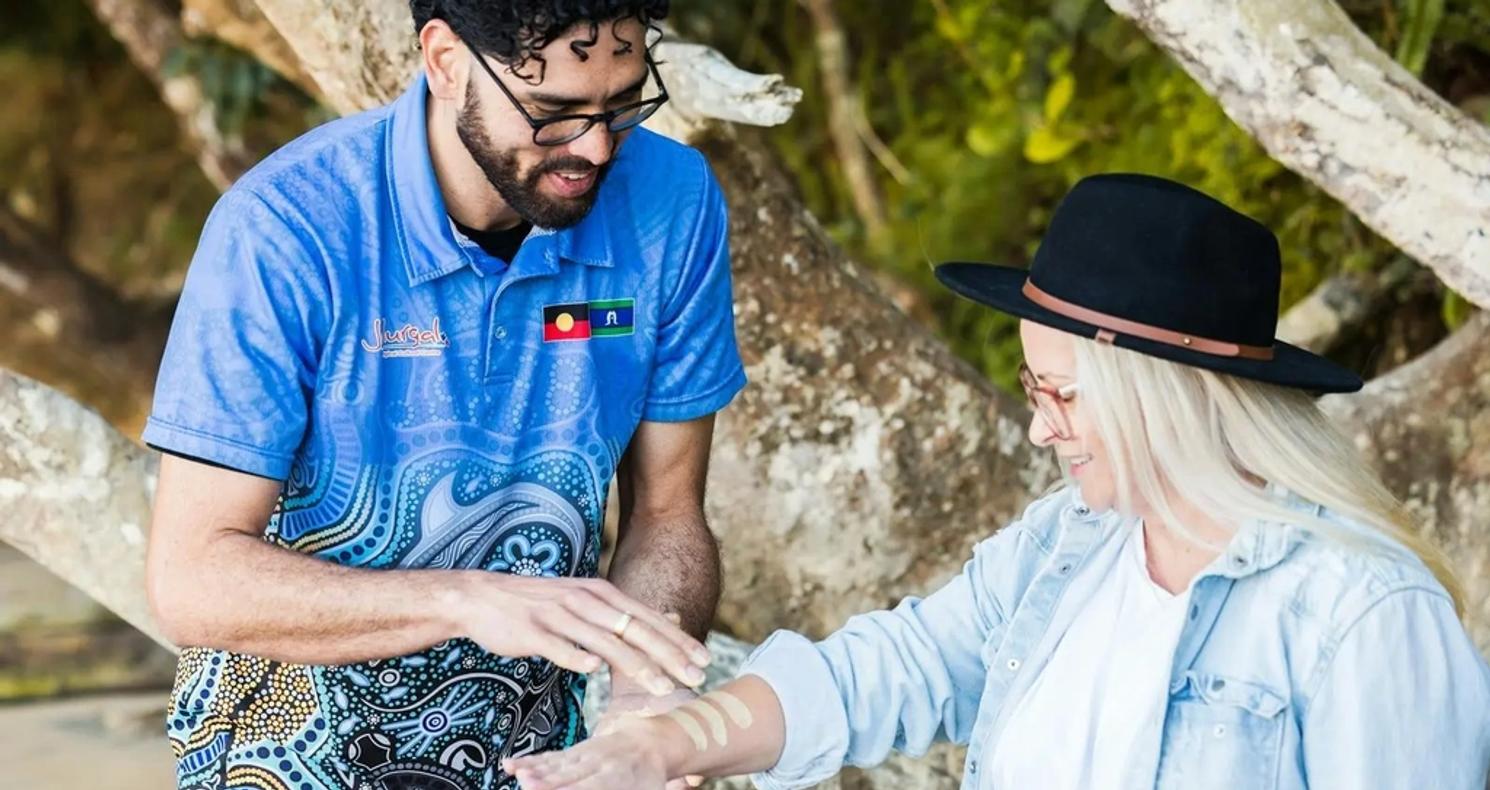
There's a particular kind of nervousness that comes with teaching Indigenous perspectives if you're a non-Indigenous educator. You want to get it right. You want it to be meaningful, not tokenistic. You don't want to do harm. And the pressure is real — especially now that NSW has made education about Aboriginal Cultures and Histories mandatory in every compulsory year of school education.
Cultural excursions can help. But only if they're the right ones.
The difference between a cultural excursion that genuinely teaches students something and one that feels performative usually comes down to one thing: who's leading it. Programs delivered by Aboriginal and Torres Strait Islander educators — people sharing their own culture, their own knowledge, their own connection to Country — feel fundamentally different to programs where non-Indigenous staff are reading from a script.
Students can tell the difference. Teachers can tell the difference. And it matters.
Why Place-Based Learning Changes Things
There's something about being on Country — standing in a place where stories have been told for thousands of years, seeing the land through the eyes of people whose ancestors walked it long before colonisation — that makes Indigenous perspectives feel real in a way classroom teaching often can't achieve.
A Year 4 teacher I know took her class to Muru Mittigar Aboriginal Cultural Centre in Penrith. The students participated in traditional art, tool-making, and storytelling, guided by Aboriginal educators from the Darug nation. She told me that one of her students, who'd been pretty disengaged all term, suddenly became the most focused kid in the group when they started learning about how boomerangs were designed for different purposes. He asked questions. He wanted to try. He cared.
That shift — from passive reception of information to genuine curiosity — is what good cultural learning looks like.
Jellurgal Aboriginal Cultural Centre on the Gold Coast offers similar experiences, where students learn directly from Aboriginal educators. The knowledge being shared isn't secondhand. It's first-voice. It's authentic. And students respond to that authenticity.
What to Look For (And What to Avoid)
Not all cultural programs are created equal. Some are thoughtfully designed with input from Elders and cultural custodians. Others are... less so.
Here's what teachers who've navigated this space tell me to look for:
Is it led by Aboriginal or Torres Strait Islander educators? This is the most important question. If the program is being delivered by non-Indigenous staff — even with the best intentions — it's not the same. Culture is living. It's meant to be shared by the people who hold it.
Does it feel like a relationship or a transaction? The best programs aren't one-off events. They're part of ongoing connections between schools and Indigenous communities. Some schools are moving away from single excursions and toward sustained partnerships with cultural centres, where students visit multiple times across the year and build a deeper understanding over time.
Is it age-appropriate and curriculum-aligned? Programs like those at Royal Botanic Garden Sydney, which offer Aboriginal Heritage Tours focused on bush foods and traditional plant uses, work particularly well for primary students. They're tangible, sensory, and connected to the natural world in ways that young students can grasp. For secondary students, programs at places like Koorie Heritage Trust in Victoria explore cultural richness through art, artefacts, and oral histories in ways that allow for more complexity and critical thinking.
Does it avoid stereotypes? Aboriginal and Torres Strait Islander cultures are diverse, contemporary, and evolving. Programs that only focus on "traditional" practices without acknowledging modern Indigenous life can reinforce the idea that Indigenous culture is frozen in the past. The best programs make space for both.
Where Teachers Are Taking Students
Across Australia, there are cultural centres and programs doing this work well. Here are a few that come up repeatedly when I talk to teachers:
In NSW, Dreamtime Southern X provides cultural experiences where students interact with Indigenous guides to learn about traditional stories, tools, art, and dance. The programs are designed with curriculum alignment in mind, but they don't feel like box-ticking exercises. They feel like genuine cultural exchange.
In Victoria, Worn Gundidj at Tower Hill offers guided walks led by Indigenous rangers who share knowledge about native plants, animals, and traditional land management practices. One secondary teacher told me her students came back from that experience with a completely different understanding of what "caring for Country" actually means. It's not an abstract concept. It's active, ongoing, relationship-based work.
The Cross-Curricular Advantage
What makes cultural excursions particularly valuable is how naturally they integrate across multiple learning areas. History, Geography, Science, Art, Language — Indigenous knowledge systems don't separate these disciplines the way Western education does. Everything is connected.
A program about bush foods, for instance, touches Science (plant biology, nutrition), Geography (climate, ecosystems), History (traditional land use), and HSIE (sustainability, cultural practices). It's holistic learning in the truest sense.
That cross-curricular nature also means cultural excursions can support multiple syllabus outcomes at once, which is helpful when you're trying to justify the time and cost to leadership.
The Skills Recognition Question
Some cultural programs are now offering formal recognition of the skills students develop — cultural competency certificates, digital badges, documented evidence of intercultural understanding. This aligns with the broader trend toward micro-credentials and skills-based learning.
I have mixed feelings about this. On one hand, it's useful for students to have tangible records of their learning, especially as they build portfolios for further education or employment. On the other hand, there's something uncomfortable about turning cultural learning into a credential to be collected.
The best programs seem to strike a balance — acknowledging and documenting student learning without reducing the experience to a transaction.
What Students Take Away
When cultural excursions are done well, the impact goes beyond curriculum outcomes. Teachers report shifts in student attitudes, deeper respect for Indigenous cultures, and a more nuanced understanding of Australia's history.
One thing I've heard repeatedly: students remember these experiences. Years later, they'll still talk about the time they learned to weave, or the stories they heard on Country, or the moment they realised how complex and sophisticated Indigenous knowledge systems are.
That kind of lasting impact is rare. It's also exactly what education should be doing.
The Practical Realities
Of course, there are challenges. Cost is one. Not every school has the budget for regular cultural excursions, especially regional schools that might need to travel significant distances to access quality programs.
Logistics are another. Some cultural centres have limited capacity and book out months in advance. If you're planning for Term 2 or 3, you often need to book in Term 4 of the previous year.
There's also the question of what happens after the excursion. How do you build on what students have learned? How do you keep those perspectives alive in the classroom once you're back at school?
The schools doing this well seem to treat cultural excursions as part of a broader strategy, not standalone events. They're embedding Indigenous perspectives across their curriculum, bringing in Indigenous guest speakers, using Indigenous-authored resources, and creating space for ongoing learning.
Why This Is More Than a Curriculum Requirement
Yes, Indigenous education is now mandatory in NSW. Yes, schools need to meet syllabus outcomes. But that's not really why this matters.
It matters because Australian students are growing up in a country with the oldest continuous living culture in the world, and most of them know almost nothing about it. It matters because understanding where we live — who lived here first, how they cared for this land, what was lost and what endures — changes how students see themselves and their place in this country.
Cultural excursions, when they're authentic and thoughtfully chosen, give students access to knowledge and perspectives they wouldn't encounter otherwise. They create opportunities for connection, understanding, and respect that go well beyond what a textbook can offer.
Where to Start
If you're looking for Indigenous cultural programs in your area, our directory has a growing collection of cultural excursions across Australia. You can filter by state, year level, and subject area.
When you're evaluating programs, ask direct questions: Who leads the program? What's their connection to the culture being shared? How do they ensure cultural protocols are respected? What do other teachers say about their experience?
And if a program doesn't feel right — if it feels tokenistic, or stereotypical, or like it's being delivered by people who don't have genuine cultural authority to share what they're sharing — trust that instinct and keep looking.
There are good programs out there. Programs that honour culture, respect students, and create genuine learning. They're worth finding.
'%3e%3cpath%20d='M12%2021C16.9706%2021%2021%2016.9706%2021%2012C21%207.02944%2016.9706%203%2012%203C7.02944%203%203%207.02944%203%2012C3%2016.9706%207.02944%2021%2012%2021Z'%20stroke='%23FEFDFB'%20stroke-width='1.5'%20stroke-linecap='round'%20stroke-linejoin='round'/%3e%3cpath%20d='M15.75%208.25H14.25C13.6533%208.25%2013.081%208.48705%2012.659%208.90901C12.2371%209.33097%2012%209.90326%2012%2010.5V21'%20stroke='%23FEFDFB'%20stroke-width='1.5'%20stroke-linecap='round'%20stroke-linejoin='round'/%3e%3cpath%20d='M9%2013.5H15'%20stroke='%23FEFDFB'%20stroke-width='1.5'%20stroke-linecap='round'%20stroke-linejoin='round'/%3e%3c/g%3e%3cdefs%3e%3cclipPath%20id='clip0_1_616'%3e%3crect%20width='24'%20height='24'%20fill='white'/%3e%3c/clipPath%3e%3c/defs%3e%3c/svg%3e)
'%3e%3cpath%20d='M13.3332%2017.5001C15.6344%2017.5001%2017.4998%2015.6346%2017.4998%2013.3334C17.4998%2011.0322%2015.6344%209.16675%2013.3332%209.16675C11.032%209.16675%209.1665%2011.0322%209.1665%2013.3334C9.1665%2015.6346%2011.032%2017.5001%2013.3332%2017.5001Z'%20stroke='%23FEFDFB'%20stroke-width='1.66667'%20stroke-miterlimit='10'/%3e%3cpath%20d='M18.3335%203.33325H8.3335C5.57207%203.33325%203.3335%205.57183%203.3335%208.33325V18.3333C3.3335%2021.0947%205.57207%2023.3333%208.3335%2023.3333H18.3335C21.0949%2023.3333%2023.3335%2021.0947%2023.3335%2018.3333V8.33325C23.3335%205.57183%2021.0949%203.33325%2018.3335%203.33325Z'%20stroke='%23FEFDFB'%20stroke-width='1.66667'%20stroke-linecap='round'%20stroke-linejoin='round'/%3e%3cpath%20d='M18.75%209.16675C19.4404%209.16675%2020%208.6071%2020%207.91675C20%207.22639%2019.4404%206.66675%2018.75%206.66675C18.0596%206.66675%2017.5%207.22639%2017.5%207.91675C17.5%208.6071%2018.0596%209.16675%2018.75%209.16675Z'%20fill='%23FEFDFB'/%3e%3c/g%3e%3cdefs%3e%3cclipPath%20id='clip0_36_178'%3e%3crect%20width='26.6667'%20height='26.6667'%20fill='white'/%3e%3c/clipPath%3e%3c/defs%3e%3c/svg%3e)
'%3e%3cpath%20d='M20.25%203H3.75C3.33579%203%203%203.33579%203%203.75V20.25C3%2020.6642%203.33579%2021%203.75%2021H20.25C20.6642%2021%2021%2020.6642%2021%2020.25V3.75C21%203.33579%2020.6642%203%2020.25%203Z'%20stroke='%23FEFDFB'%20stroke-width='1.5'%20stroke-linecap='round'%20stroke-linejoin='round'/%3e%3cpath%20d='M11.25%2010.5V16.5'%20stroke='%23FEFDFB'%20stroke-width='1.5'%20stroke-linecap='round'%20stroke-linejoin='round'/%3e%3cpath%20d='M8.25%2010.5V16.5'%20stroke='%23FEFDFB'%20stroke-width='1.5'%20stroke-linecap='round'%20stroke-linejoin='round'/%3e%3cpath%20d='M11.25%2013.125C11.25%2012.4288%2011.5266%2011.7611%2012.0188%2011.2688C12.5111%2010.7766%2013.1788%2010.5%2013.875%2010.5C14.5712%2010.5%2015.2389%2010.7766%2015.7312%2011.2688C16.2234%2011.7611%2016.5%2012.4288%2016.5%2013.125V16.5'%20stroke='%23FEFDFB'%20stroke-width='1.5'%20stroke-linecap='round'%20stroke-linejoin='round'/%3e%3cpath%20d='M8.25%209C8.87132%209%209.375%208.49632%209.375%207.875C9.375%207.25368%208.87132%206.75%208.25%206.75C7.62868%206.75%207.125%207.25368%207.125%207.875C7.125%208.49632%207.62868%209%208.25%209Z'%20fill='%23FEFDFB'/%3e%3c/g%3e%3cdefs%3e%3cclipPath%20id='clip0_1_621'%3e%3crect%20width='24'%20height='24'%20fill='white'/%3e%3c/clipPath%3e%3c/defs%3e%3c/svg%3e)