Swimming Education: How Schools Can Reverse Australia's Declining Swim Skills
Nearly half of Australian primary school children can't swim 50 metres or tread water for two minutes by age 12. For a country that prides itself on beach culture and swimming prowess, that's a wake-up call. We looked at why swimming education has declined, what schools are up against, and what's actually workable when budgets and curriculum time are stretched thin.
By Johnny Paul
Published on 7 May 2025
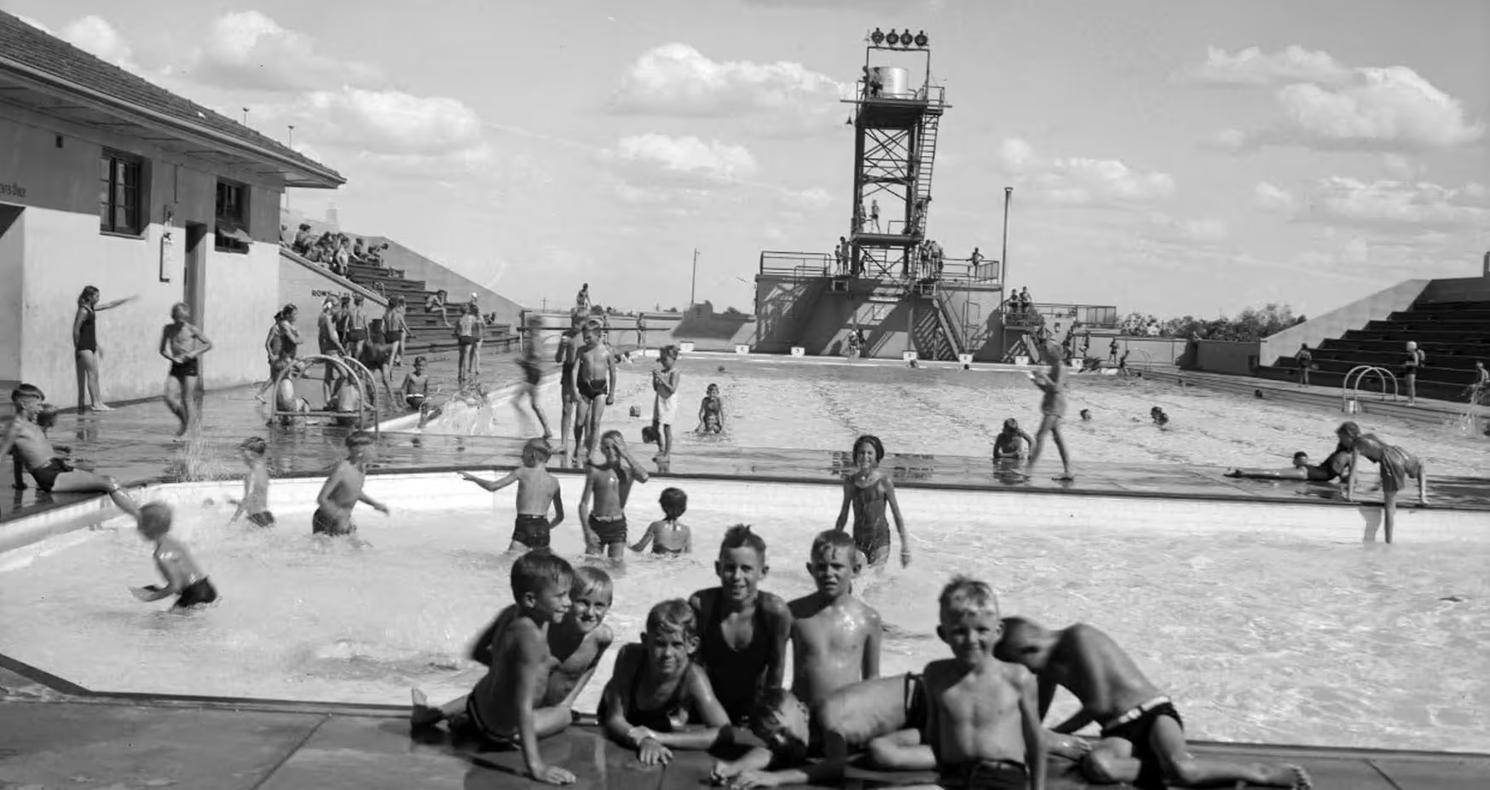
There's a particular kind of quiet that falls over a staffroom when someone mentions the annual swimming carnival. It's not quite dread, but it's not enthusiasm either. It's the collective recognition that organizing anything involving buses, permission forms, and large bodies of water is going to be... a lot.
And yet, here we are with a problem that's hard to ignore: according to Royal Life Saving Australia's recent research, nearly half of Australian primary school children can't swim 50 metres or tread water for two minutes by the time they're 12 years old.
For a country that's supposed to be synonymous with beaches, pools, and Olympic swimming champions, that's a confronting statistic.
Swimming education in Australia has quietly declined over the past few decades, and the reasons are complicated. Funding cuts. Curriculum pressure. Pool closures. Transport costs. The list goes on. But the outcome is clear: a generation of Australian kids is growing up without the water skills previous generations took for granted.
So what are schools supposed to do about it?
How We Got Here
Swimming education in Australia has a long history. It was first mandated in NSW schools back in the 1880s, and by the post-WWII era, it had expanded nationally. For decades, learning to swim was just part of what Australian kids did at school. Most students left primary school confident in the water, competent at basic strokes, and aware of how to stay safe around beaches, rivers, and pools.
That's no longer a given.
Several things have contributed to the decline:
Funding and resource cuts. Many schools that used to run in-term swimming programs have scaled them back or dropped them entirely. Transport costs alone can make regular pool visits prohibitive, especially for schools in outer suburbs or regional areas.
Curriculum crowding. The Australian Curriculum is dense, and PDHPE competes with literacy, numeracy, STEM, wellbeing programs, and everything else schools are now expected to deliver. Swimming often loses out.
Pool closures. Public pools have closed in many communities, and those that remain are expensive to hire for school groups. Some schools that once had on-site pools no longer do, either because they've been decommissioned or because maintenance costs became unsustainable.
Cultural shifts. Families are less likely to take kids to the beach or pool regularly than they were a generation ago. If swimming skills aren't being developed at home, and they're not being taught at school, they're not being developed at all.
The result? An estimated 84% of 15–16-year-olds can't meet basic lifesaving requirements. That's not just a lost tradition. It's a safety issue.
Why This Matters (Beyond the Obvious)
The most immediate reason to care about swimming education is water safety. Australia is surrounded by water, and drowning remains one of the leading causes of accidental death for children. Students who can't swim are at greater risk, not just at beaches but in rivers, dams, backyard pools, and even school camps.
But swimming education also delivers benefits that go beyond safety:
Physical literacy. Swimming is a full-body workout that builds cardiovascular fitness, strength, coordination, and endurance. For students who aren't involved in organised sports, it's one of the few opportunities they might have for regular, vigorous physical activity.
Confidence and resilience. Learning to swim — especially for students who are initially fearful of water — builds self-efficacy. It teaches students that skills can be developed through practice, persistence, and instruction.
Social connection. Swimming carnivals, group lessons, and aquatic programs create shared experiences that build school culture. They're also one of the few times students from different year levels interact in a non-competitive, supportive environment.
Access to Australian life. This might sound abstract, but it's real: if you grow up in Australia and you can't swim, there are whole parts of the culture — beach trips, river swims, pool parties, school camps — that you're excluded from. That exclusion has social and emotional consequences.
What Schools Are Actually Doing
Some schools have managed to keep swimming education alive despite the challenges. Here's what's working for them:
Partnering with local aquatic centres. Many councils and private operators offer school-specific programs with flexible scheduling and reduced rates. These partnerships take the logistical burden off schools while still delivering quality instruction.
URBNSURF, for instance, runs water safety programs designed specifically for school groups. Students learn surf and swimming fundamentals in a controlled wave environment, which is particularly useful for schools that want to teach ocean safety but don't have easy access to the coast.
Adelaide Aquatic Centre provides structured swim school programs that combine stroke development with water safety and basic rescue skills. Their programs are designed to build both confidence and competence, which matters for students who might be nervous in water.
Block-booking intensive programs. Instead of weekly lessons spread across a term, some schools book week-long intensive programs where students attend daily sessions. This approach tends to produce faster skill development and is easier to manage logistically than ongoing weekly excursions.
Integrating swimming with other curriculum areas. Some schools tie swimming education to Science (buoyancy, forces), HSIE (Australian beach culture, water safety campaigns), or English (persuasive writing about water safety). This cross-curricular approach helps justify the time and cost.
The Practical Realities
Let's be honest: even when schools want to prioritize swimming education, there are real barriers.
Cost. Pool hire, qualified instructors, and bus transport add up quickly. For schools in low ICSEA areas, asking families to contribute $50–$100 per child for swimming lessons isn't realistic. Some schools absorb the cost, but that puts pressure on already tight budgets.
Timing. Finding a term where swimming fits — without clashing with NAPLAN prep, reports, camps, or major events — is harder than it sounds. Term 4 often works best because the weather's warm and the academic pressure is slightly lower, but that's also when pools are busiest.
Equity. Not all students come to school with the same level of water confidence. Some have been swimming since they were toddlers. Others have never been in a pool. Managing that range of ability in a group setting requires skilled instructors and careful planning.
Teacher capacity. Swimming programs require staff supervision, risk assessments, and coordination. For schools already stretched thin, adding another major logistical undertaking can feel overwhelming.
What's Actually Workable
If your school is trying to bring swimming education back (or strengthen what's already there), here are a few things worth considering:
Start with water safety, not competitive strokes. The goal isn't to produce champion swimmers. It's to ensure every student can stay safe in and around water. Focus on survival skills first — floating, treading water, basic rescue awareness.
Look for subsidies and grants. Some state governments and local councils offer funding to support swimming education, particularly for schools in disadvantaged areas. It's worth checking what's available.
Engage parents early. If families understand why swimming education matters and what their child will be learning, they're more likely to support the program — financially and logistically.
Use local providers. You don't need to bus students to a state-of-the-art facility. Many local pools offer perfectly good programs at reasonable rates, and shorter travel times make the whole experience more manageable.
Consider incursions for water safety theory. If getting to a pool is genuinely unworkable, some providers offer incursions that teach water safety concepts, rescue techniques, and risk awareness without requiring water access. It's not the same as actual swimming, but it's better than nothing.
The Bigger Picture
Swimming education has declined because it's been squeezed out by a hundred other priorities, not because anyone decided it wasn't important. Schools are doing their best with the time, money, and resources they have. But the consequences of that decline are real, and they're showing up in drowning statistics, in students' physical literacy, and in the quiet exclusion of kids who miss out on parts of Australian life because they never learned to swim.
There's no simple fix. Swimming education requires funding, time, coordination, and commitment — all of which are in short supply in most schools. But there are options. Local aquatic centres, specialist providers like URBNSURF, intensive block programs, community partnerships — these things exist, and they're being used by schools that have decided swimming is worth prioritizing.
If you're looking for swimming education providers in your area, the EdTripper platform has a growing list of aquatic programs across Australia. You can filter by location, year level, and program type to find something that works for your school.
Swimming education won't solve itself. But it's solvable — if schools, communities, and governments decide it's worth solving.
'%3e%3cpath%20d='M12%2021C16.9706%2021%2021%2016.9706%2021%2012C21%207.02944%2016.9706%203%2012%203C7.02944%203%203%207.02944%203%2012C3%2016.9706%207.02944%2021%2012%2021Z'%20stroke='%23FEFDFB'%20stroke-width='1.5'%20stroke-linecap='round'%20stroke-linejoin='round'/%3e%3cpath%20d='M15.75%208.25H14.25C13.6533%208.25%2013.081%208.48705%2012.659%208.90901C12.2371%209.33097%2012%209.90326%2012%2010.5V21'%20stroke='%23FEFDFB'%20stroke-width='1.5'%20stroke-linecap='round'%20stroke-linejoin='round'/%3e%3cpath%20d='M9%2013.5H15'%20stroke='%23FEFDFB'%20stroke-width='1.5'%20stroke-linecap='round'%20stroke-linejoin='round'/%3e%3c/g%3e%3cdefs%3e%3cclipPath%20id='clip0_1_616'%3e%3crect%20width='24'%20height='24'%20fill='white'/%3e%3c/clipPath%3e%3c/defs%3e%3c/svg%3e)
'%3e%3cpath%20d='M13.3332%2017.5001C15.6344%2017.5001%2017.4998%2015.6346%2017.4998%2013.3334C17.4998%2011.0322%2015.6344%209.16675%2013.3332%209.16675C11.032%209.16675%209.1665%2011.0322%209.1665%2013.3334C9.1665%2015.6346%2011.032%2017.5001%2013.3332%2017.5001Z'%20stroke='%23FEFDFB'%20stroke-width='1.66667'%20stroke-miterlimit='10'/%3e%3cpath%20d='M18.3335%203.33325H8.3335C5.57207%203.33325%203.3335%205.57183%203.3335%208.33325V18.3333C3.3335%2021.0947%205.57207%2023.3333%208.3335%2023.3333H18.3335C21.0949%2023.3333%2023.3335%2021.0947%2023.3335%2018.3333V8.33325C23.3335%205.57183%2021.0949%203.33325%2018.3335%203.33325Z'%20stroke='%23FEFDFB'%20stroke-width='1.66667'%20stroke-linecap='round'%20stroke-linejoin='round'/%3e%3cpath%20d='M18.75%209.16675C19.4404%209.16675%2020%208.6071%2020%207.91675C20%207.22639%2019.4404%206.66675%2018.75%206.66675C18.0596%206.66675%2017.5%207.22639%2017.5%207.91675C17.5%208.6071%2018.0596%209.16675%2018.75%209.16675Z'%20fill='%23FEFDFB'/%3e%3c/g%3e%3cdefs%3e%3cclipPath%20id='clip0_36_178'%3e%3crect%20width='26.6667'%20height='26.6667'%20fill='white'/%3e%3c/clipPath%3e%3c/defs%3e%3c/svg%3e)
'%3e%3cpath%20d='M20.25%203H3.75C3.33579%203%203%203.33579%203%203.75V20.25C3%2020.6642%203.33579%2021%203.75%2021H20.25C20.6642%2021%2021%2020.6642%2021%2020.25V3.75C21%203.33579%2020.6642%203%2020.25%203Z'%20stroke='%23FEFDFB'%20stroke-width='1.5'%20stroke-linecap='round'%20stroke-linejoin='round'/%3e%3cpath%20d='M11.25%2010.5V16.5'%20stroke='%23FEFDFB'%20stroke-width='1.5'%20stroke-linecap='round'%20stroke-linejoin='round'/%3e%3cpath%20d='M8.25%2010.5V16.5'%20stroke='%23FEFDFB'%20stroke-width='1.5'%20stroke-linecap='round'%20stroke-linejoin='round'/%3e%3cpath%20d='M11.25%2013.125C11.25%2012.4288%2011.5266%2011.7611%2012.0188%2011.2688C12.5111%2010.7766%2013.1788%2010.5%2013.875%2010.5C14.5712%2010.5%2015.2389%2010.7766%2015.7312%2011.2688C16.2234%2011.7611%2016.5%2012.4288%2016.5%2013.125V16.5'%20stroke='%23FEFDFB'%20stroke-width='1.5'%20stroke-linecap='round'%20stroke-linejoin='round'/%3e%3cpath%20d='M8.25%209C8.87132%209%209.375%208.49632%209.375%207.875C9.375%207.25368%208.87132%206.75%208.25%206.75C7.62868%206.75%207.125%207.25368%207.125%207.875C7.125%208.49632%207.62868%209%208.25%209Z'%20fill='%23FEFDFB'/%3e%3c/g%3e%3cdefs%3e%3cclipPath%20id='clip0_1_621'%3e%3crect%20width='24'%20height='24'%20fill='white'/%3e%3c/clipPath%3e%3c/defs%3e%3c/svg%3e)