Sydney Zoo's New Education Programs Are Built Around NSW's New Syllabuses (And That's Not a Coincidence)
Sydney Zoo is launching two new education programs in 2026, and they've been designed specifically around NSW's new Science and Technology and HSIE syllabuses. If you're mapping Term 1 excursions and need something that aligns cleanly with ST2-SCI-01, HS2-GEO-01, or ST1-4LW-S, this is worth knowing about.
By Johnny Paul
Published on 1 November 2025
If you've been teaching in NSW for the past year, you've probably spent more time than you'd like with the new Science and Technology and HSIE syllabuses open on your laptop, trying to figure out how your existing units and excursions map to the updated outcomes.
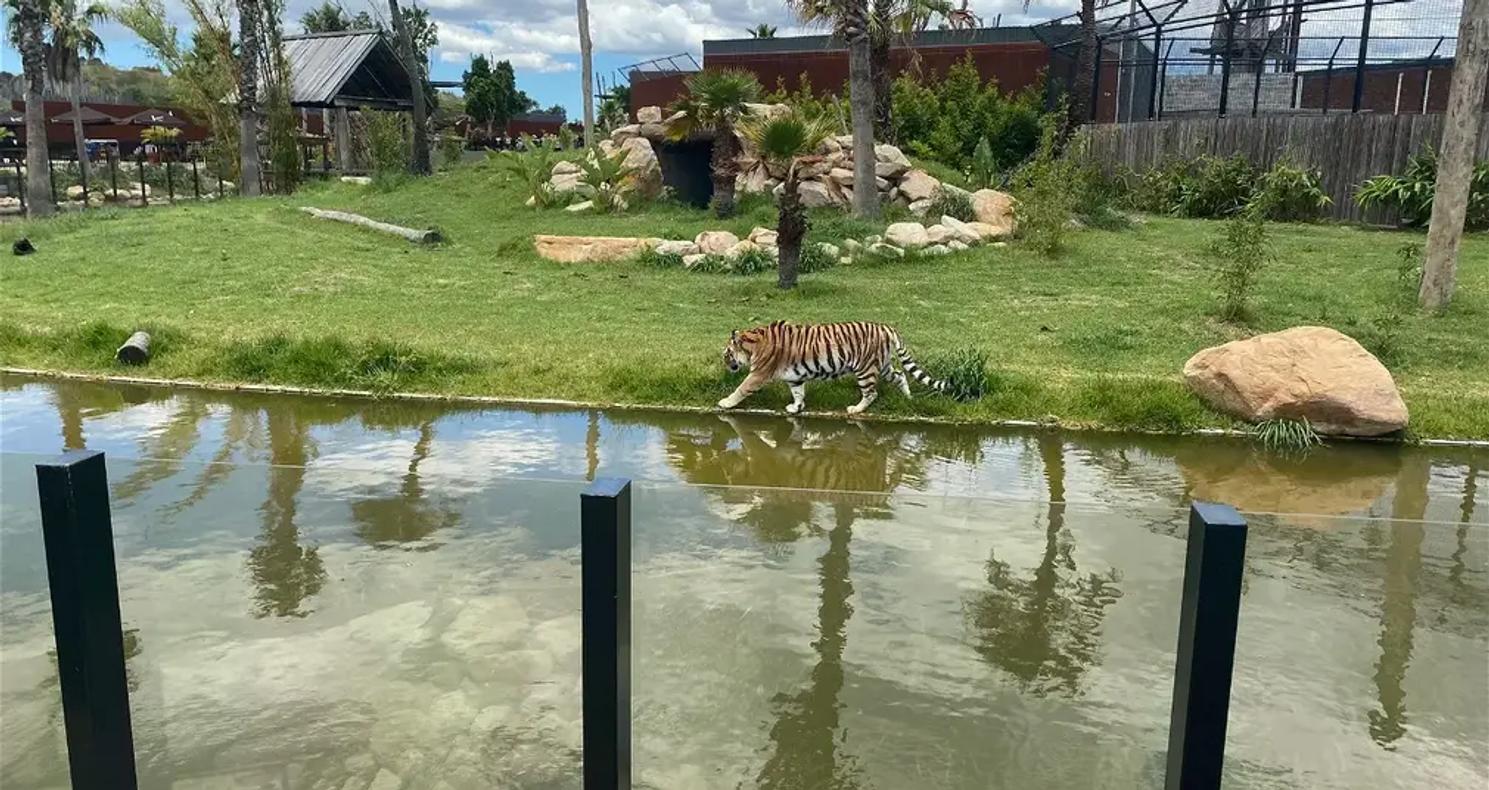
Sydney Zoo has noticed this too. Their new education programs — launching at the start of 2026 — have been built specifically around those fresh syllabuses. Not retrofitted. Not "close enough." Actually designed with the new outcomes in mind.
For teachers planning Term 1 excursions and looking for something that maps cleanly to what you're now required to teach, these programs are worth a closer look.
Two Programs, Same Philosophy
Sydney Zoo is rolling out two core programs: Living Systems for Stage 2 and Living Things Change Over Time for Stage 1 and Early Stage 1. Both centre on the same idea — students learning with animals, not just about them.
That distinction matters. A lot of zoo programs involve students watching animals from a distance while an educator talks. These programs are different. Students meet ambassador animals up close, participate in hands-on activities across the zoo's grounds, and engage in real-world observation that connects back to the syllabus outcomes they're working on in class.
Living Systems (Stage 2) focuses on habitats, ecosystems, and food chains. Students explore how living things depend on each other to survive, examine human impact on those systems, and discuss what they can do to support healthy habitats. The program frames this around the concept of becoming "heroes for habitat," which is the kind of language that tends to land well with upper primary students. It's aligned with ST2-SCI-01 (living things have structural features and adaptations that help them survive) and HS2-GEO-01 (the environment supports the lives of people and other living things).
Living Things Change Over Time (Stage 1 and Early Stage 1) takes students through life cycles, growth, and adaptation. The program includes data collection activities, animal observations, and discussion about why healthy habitats matter. It's designed to keep younger students engaged while building understanding that connects back to their own environments. It maps to ST1-4LW-S (living things have a variety of external features and live in different places where their needs are met).
Both programs run for approximately 90 minutes, depending on the age group, with time built in afterward for students to explore the zoo independently. That balance — structured learning followed by self-directed exploration — tends to work well for keeping engagement high without overwhelming students.
The Practical Stuff Teachers Actually Care About
Sydney Zoo has thought about what makes excursions difficult to organise, and they've tried to address some of those pain points.
First, they're offering free downloadable resources to support learning before, during, and after your visit. These aren't token worksheets. They're pre-made materials designed to save you the hours of prep time that usually comes with planning an excursion. If you've ever spent a Sunday afternoon creating an observation sheet from scratch because the venue's resources were too generic to be useful, you'll appreciate this.
Second, there's flexibility in delivery. If bus budgets are tight or timing doesn't work for an on-site visit, the programs are available as incursions at your school or as virtual Zoom experiences. I've heard mixed feedback from teachers about virtual excursions over the past few years — some say they work well, others find them hard to manage — but having the option can be useful for schools in regional areas or those juggling tight schedules.
Third, and this is significant for schools with limited excursion budgets: Sydney Zoo offers an Education Access Scheme for schools with an ICSEA of 990 or below. For $1,500 per year, your school gets unlimited visits. If you've got multiple classes that could benefit from a zoo visit across the year, that's worth raising with leadership. The full terms and conditions are available on the Sydney Zoo website.
The Indigenous Education Component
Sydney Zoo also runs Bungarribee Dreaming programs, led by First Nations educators. These sit alongside the science workshops and connect naturally with the new HSIE syllabus emphasis on caring for Country.
I mention this because schools are increasingly looking for ways to embed Indigenous perspectives authentically, and having programs led by Indigenous educators — rather than non-Indigenous staff reading from a script — makes a difference. The Bungarribee Dreaming programs can be booked separately or in combination with the science workshops, depending on what your cohort needs.
For teachers working with the new syllabuses, which place greater emphasis on First Nations perspectives across multiple KLAs, having access to educator-led programs makes that requirement more achievable.
Location and Timing
Sydney Zoo sits in Bungarribee, about 40 minutes from the CBD via the M4 or M7. That makes it workable for a half-day or full-day excursion, depending on your school's location and schedule.
The new programs launch at the start of the 2026 school year, and bookings are already open for Term 1. From what I'm hearing from teachers who've already locked in dates, February and March slots are filling quickly. If you're mapping out Term 1 now and want an excursion that directly supports those new syllabus outcomes, it's worth getting in early.
Why This Matters Now
The thing about new syllabuses is that they don't just change what you teach — they change what you need from external providers. Excursions that were perfectly aligned with the old outcomes might not map as cleanly to the new ones. Teachers are having to rethink their go-to programs and find new options that actually support what they're now required to deliver.
Sydney Zoo's decision to design these programs specifically around the new syllabuses — rather than just updating existing content — means they're hitting the curriculum alignment teachers need right now. That's not a small thing when you're trying to justify an excursion to leadership or explain to parents why it's worth the cost.
What You Need to Do
If this sounds like something that could work for your class, here's what I'd suggest:
Visit sydneyzoo.com/education to see the full program details, curriculum alignment, and free teaching resources. Check whether your school qualifies for the Education Access Scheme — if it does, that's a conversation worth having with your leadership team before individual teachers start booking separate visits. And if you're planning for Term 1, book sooner rather than later.
Good excursions that actually align with what you're teaching are hard to find. When they exist, they fill up fast.
'%3e%3cpath%20d='M12%2021C16.9706%2021%2021%2016.9706%2021%2012C21%207.02944%2016.9706%203%2012%203C7.02944%203%203%207.02944%203%2012C3%2016.9706%207.02944%2021%2012%2021Z'%20stroke='%23FEFDFB'%20stroke-width='1.5'%20stroke-linecap='round'%20stroke-linejoin='round'/%3e%3cpath%20d='M15.75%208.25H14.25C13.6533%208.25%2013.081%208.48705%2012.659%208.90901C12.2371%209.33097%2012%209.90326%2012%2010.5V21'%20stroke='%23FEFDFB'%20stroke-width='1.5'%20stroke-linecap='round'%20stroke-linejoin='round'/%3e%3cpath%20d='M9%2013.5H15'%20stroke='%23FEFDFB'%20stroke-width='1.5'%20stroke-linecap='round'%20stroke-linejoin='round'/%3e%3c/g%3e%3cdefs%3e%3cclipPath%20id='clip0_1_616'%3e%3crect%20width='24'%20height='24'%20fill='white'/%3e%3c/clipPath%3e%3c/defs%3e%3c/svg%3e)
'%3e%3cpath%20d='M13.3332%2017.5001C15.6344%2017.5001%2017.4998%2015.6346%2017.4998%2013.3334C17.4998%2011.0322%2015.6344%209.16675%2013.3332%209.16675C11.032%209.16675%209.1665%2011.0322%209.1665%2013.3334C9.1665%2015.6346%2011.032%2017.5001%2013.3332%2017.5001Z'%20stroke='%23FEFDFB'%20stroke-width='1.66667'%20stroke-miterlimit='10'/%3e%3cpath%20d='M18.3335%203.33325H8.3335C5.57207%203.33325%203.3335%205.57183%203.3335%208.33325V18.3333C3.3335%2021.0947%205.57207%2023.3333%208.3335%2023.3333H18.3335C21.0949%2023.3333%2023.3335%2021.0947%2023.3335%2018.3333V8.33325C23.3335%205.57183%2021.0949%203.33325%2018.3335%203.33325Z'%20stroke='%23FEFDFB'%20stroke-width='1.66667'%20stroke-linecap='round'%20stroke-linejoin='round'/%3e%3cpath%20d='M18.75%209.16675C19.4404%209.16675%2020%208.6071%2020%207.91675C20%207.22639%2019.4404%206.66675%2018.75%206.66675C18.0596%206.66675%2017.5%207.22639%2017.5%207.91675C17.5%208.6071%2018.0596%209.16675%2018.75%209.16675Z'%20fill='%23FEFDFB'/%3e%3c/g%3e%3cdefs%3e%3cclipPath%20id='clip0_36_178'%3e%3crect%20width='26.6667'%20height='26.6667'%20fill='white'/%3e%3c/clipPath%3e%3c/defs%3e%3c/svg%3e)
'%3e%3cpath%20d='M20.25%203H3.75C3.33579%203%203%203.33579%203%203.75V20.25C3%2020.6642%203.33579%2021%203.75%2021H20.25C20.6642%2021%2021%2020.6642%2021%2020.25V3.75C21%203.33579%2020.6642%203%2020.25%203Z'%20stroke='%23FEFDFB'%20stroke-width='1.5'%20stroke-linecap='round'%20stroke-linejoin='round'/%3e%3cpath%20d='M11.25%2010.5V16.5'%20stroke='%23FEFDFB'%20stroke-width='1.5'%20stroke-linecap='round'%20stroke-linejoin='round'/%3e%3cpath%20d='M8.25%2010.5V16.5'%20stroke='%23FEFDFB'%20stroke-width='1.5'%20stroke-linecap='round'%20stroke-linejoin='round'/%3e%3cpath%20d='M11.25%2013.125C11.25%2012.4288%2011.5266%2011.7611%2012.0188%2011.2688C12.5111%2010.7766%2013.1788%2010.5%2013.875%2010.5C14.5712%2010.5%2015.2389%2010.7766%2015.7312%2011.2688C16.2234%2011.7611%2016.5%2012.4288%2016.5%2013.125V16.5'%20stroke='%23FEFDFB'%20stroke-width='1.5'%20stroke-linecap='round'%20stroke-linejoin='round'/%3e%3cpath%20d='M8.25%209C8.87132%209%209.375%208.49632%209.375%207.875C9.375%207.25368%208.87132%206.75%208.25%206.75C7.62868%206.75%207.125%207.25368%207.125%207.875C7.125%208.49632%207.62868%209%208.25%209Z'%20fill='%23FEFDFB'/%3e%3c/g%3e%3cdefs%3e%3cclipPath%20id='clip0_1_621'%3e%3crect%20width='24'%20height='24'%20fill='white'/%3e%3c/clipPath%3e%3c/defs%3e%3c/svg%3e)