The 5 Best School Excursions About Sustainability in NSW
A teacher once told me her students cared more about the planet after one morning sorting through Reverse Garbage than they did after a term of worksheets. Here are five NSW excursions that make sustainability real — not just a buzzword.
By Johnny Paul
Published on 24 October 2024
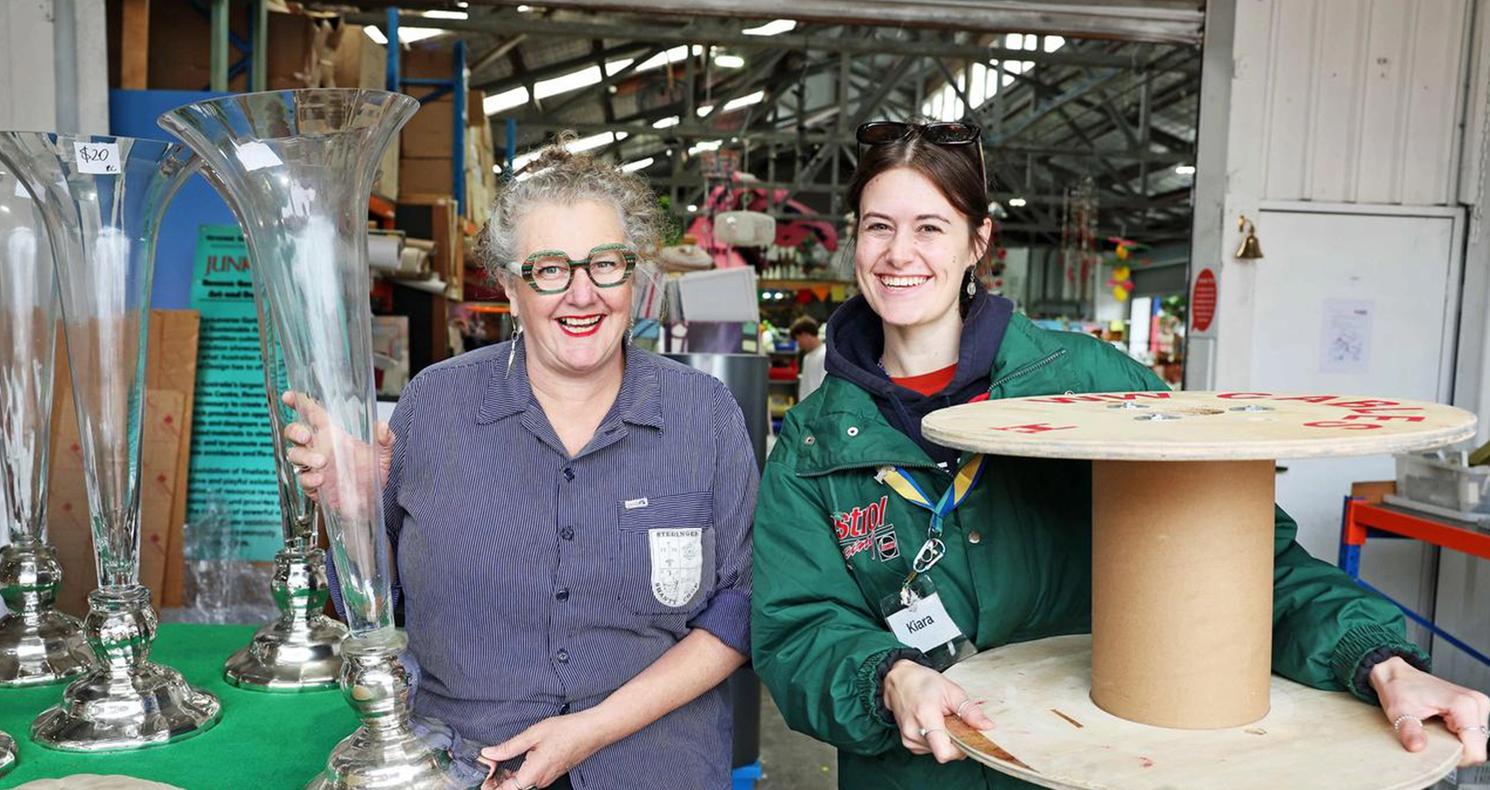
A few months back, I was talking with a Year 5 teacher from the Inner West who'd just taken her class to Reverse Garbage for the first time.
"I didn't know what to expect," she said. "But within ten minutes, my kids were elbow-deep in fabric scraps and old bike parts, completely absorbed. One of them looked up and said, 'Wait, so all this was just going to be thrown away?' And I watched something click."
That's the thing about sustainability education. You can teach it with diagrams and videos and very worthy conversations about climate change. But there's something different that happens when a student holds a piece of waste in their hands and realises it could become something else entirely.
It's not just about recycling bins and switching off lights — though those things matter. It's about shifting the way young people see the world around them. And in NSW, there are some excursions doing that really, really well.

Reverse Garbage
Reverse Garbage is a transformative creative reuse centre that is actively making a positive impact on our world by effectively reducing waste and revolutionizing our perspective on resources. Our mission is to empower and motivate individuals of all ages, including children, adults, artists, and teachers, to adopt a more sustainable lifestyle by consuming less, producing more, saving money, and ultimately experiencing a profound sense of fulfillment in the process!
Reverse Garbage was started by educators and we’ve been educating the community for over forty five years! We truly are the experts in sustainability education and reuse. Our passionate educators are all qualified and highly experienced and will work with your students to ignite their curiosity, their creativity, develop problem solving. We aim to support your good work, providing you with the skills, materials and opportunities you might need to get your students playing, thinking and making more creatively and more sustainably.
Our workshops show Kindergarten through to Year 6 students how to give waste materials a new life through creative reuse. Our workshops are tape-and-glue free, using low-waste construction techniques like lacing and threading. We can come to you or you can visit us at our education room at Marrickville. Customised workshops are also available to suit your particular theme or unit. Reverse Garbage workshops take students through a design process, aligned with NSW Syllabus outcomes, to facilitate creative thinking and collaboration.
Reverse Garbage (Marrickville)
If you've never been to Reverse Garbage, imagine a warehouse that looks like a mad scientist's workshop crossed with an art teacher's dream. There's timber, fabric, plastic tubing, old electronics, buttons, wheels, wire — all of it sorted, all of it waiting to be reimagined.
They've been doing this for over 45 years, and it shows. The facilitators know how to work with kids. They know how to turn "I don't know what to make" into an hour of focused, creative problem-solving.
The workshops are curriculum-aligned (K–6), and they're built around a simple but powerful idea: waste isn't waste until you decide it is. Students learn low-waste construction techniques — lacing, threading, slotting — instead of just reaching for the glue gun. They collaborate. They experiment. They take home something they've made from materials that were headed for landfill.
You can bring them to your school, or you can visit their Marrickville space. If you've got a specific unit or theme, they'll tailor the workshop. A few teachers have told me it's the excursion their students talk about months later.
Practical notes: Book early — they're popular. If you're visiting the warehouse, it's worth the trip just to see the sheer scale of what's being diverted from waste.

Outdoor Education School Programs At Wangat Lodge
Wangat Lodge (Barrington Tops)
This one's different. It's not a day trip — it's a multi-day camp in the World Heritage-listed rainforest of Barrington Tops, and it's designed for students who are ready to spend real time in the bush.
The programs (3–5 days) blend environmental science with geography, social studies, and outdoor education. Students explore Chichester Dam, learn about traditional land use from Indigenous guides, examine contemporary farming practices, and study the unique flora and fauna of the region.
But here's what I think makes Wangat special: they take John Muir's philosophy seriously. The idea that you can't really understand the natural world from inside a classroom. That growth happens when you're navigating a trail, setting up camp, working as a team to solve a problem you didn't expect.
There's a multi-day hike option. There's the "Wangat Way Stay" program, which includes bushcraft skills, farm visits, and a secret riverside camp-out (the students love this bit). And teachers get their own accommodation and personal time, which — let's be honest — is not nothing when you're spending several days with 30 teenagers in the wilderness.
Practical notes: This is a bigger commitment than a day trip, but the teachers I've spoken with say it's worth it. The students come back different. More confident. More connected.

Barangaroo Reserve
Barangaroo Reserve is not just any ordinary park, it is a masterpiece that embodies Sydney's dedication to preserving its cultural heritage, while still embracing the future. The six-hectare headland park has been expertly designed to transform one of the city's oldest industrial sites into a breathtaking green space that both locals and tourists can enjoy. The Reserve's stunning views of the iconic Sydney Harbour Bridge and the Opera House make it an unparalleled oasis in the heart of the city.
Beyond its natural beauty, Barangaroo Reserve is also a symbol of Sydney's commitment to sustainability and environmental conservation. The park's carefully curated native flora and fauna showcase the natural biodiversity of the area, while also promoting ecological balance.
Visitors to the park can experience a range of activities, from leisurely strolls along the waterfront to more active pursuits such as jogging or cycling on the park's dedicated paths. For those looking for a more relaxed experience, there are plenty of quiet spots to sit and enjoy the scenery.
In short, Barangaroo Reserve is a must-visit destination for anyone looking to experience the best that Sydney has to offer. With its awe-inspiring views, commitment to sustainability, and diverse range of activities, it truly is a stunning addition to the city's Harbour foreshore.
Barangaroo Reserve (Sydney)
Barangaroo is one of those places that shouldn't work as well as it does. It's a constructed headland on Sydney Harbour — 75,000 native trees, sandstone blocks, carefully designed sight lines — but it feels alive in a way that a lot of urban green spaces don't.
The excursion programs here focus on the cultural and environmental history of the site. Students learn about the Gadigal People, explore how the area was restored using both traditional knowledge and contemporary sustainability practices, and start to understand what environmental stewardship actually looks like in an urban context.
The Aboriginal-led experiences are particularly strong. They ground the conversation in place, in story, in the deep time of the land before European settlement. It's not just "here's a tree," it's "here's why this tree matters, and here's how people have cared for it for thousands of years."
For Sydney teachers, it's also ridiculously accessible. You can be there in 20 minutes from half the city.
Practical notes: The walking is easy, but it's exposed — bring hats and water. The guides are excellent, but book ahead, especially in spring and autumn.

The Coastal Environment Centre
The Coastal Environment Centre (CEC) offers an enriching array of programs catering to individuals of all ages and diverse interests. Our primary objective at the CEC is to foster a deep appreciation and strong bond with our local environment through experiential learning. We take pride in maintaining a comprehensive range of displays and highly knowledgeable educators who are readily available to provide valuable insights and address any queries. Additionally, we offer engaging self-guided outdoor activities to further enhance your experience.
Coastal Environment Centre (Narrabeen)
This one's tucked on the northern edge of Narrabeen Lagoon, run by Northern Beaches Council, and it's quietly brilliant.
The focus is coastal ecosystems — rock pools, lagoons, beaches, the creatures that live there, and the pressures they're under. Students get a mix of indoor learning and outdoor exploration. There are mollusc workshops, beach digs looking for ancient marine life, rock pool investigations.
But what I like about the Coastal Environment Centre is that it doesn't shy away from the hard conversations. It talks about pollution, coastal erosion, habitat loss. And then it asks students: so what are we going to do about it?
The programs are curriculum-aligned, the tutors know their stuff, and it's designed for all year levels. A few primary teachers have told me it's a great first step into environmental science for younger students — hands-on, not too overwhelming, and close to home for Northern Beaches schools.
Practical notes: It's best in warmer months (for obvious reasons). If your school is far from the Northern Beaches, it's a bit of a trek — but it's a unique program, and worth it if coastal ecosystems are part of your unit.

Kimbriki Eco House and Garden
Kimbriki Environmental Enterprises Pty Ltd (Kimbriki) is a leading waste and recycling center situated on Sydney's Northern Beaches. Our mission is to become a center of excellence in environmental services related to waste generation and to provide valuable education to the community.
As a majority-owned subsidiary of the Northern Beaches Council (96%) and Mosman Council (4%), Kimbriki collaborates with our community, shareholders, employees, partners, and the waste industry to deliver efficient services that minimize waste to landfill and maximize resource recovery.
With a rich history dating back to 1974 when we first opened our gates, Kimbriki has achieved remarkable success over the years. Originally established as a landfill, we introduced fees and charges in 1979. However, in 1989-90, we shifted our focus towards resource recovery operations for vegetation and scrap metal, marking the beginning of the Kimbriki Recycling and Waste Disposal Centre.
This strategic transition from waste disposal to resource recovery has shaped the future of Kimbriki. Currently, we recycle over 80% of the incoming waste, significantly extending the lifespan of our landfill beyond the 2000s and well into the 2040s at the present rate. Through our resource recovery operations on-site, we have diverted more than 4 million tonnes of waste from landfill.
While we have made substantial progress, we continue to face the challenge of recovering more from the mixed waste stream. We actively encourage our customers to separate their waste, which not only increases resource recovery but also reduces the amount of waste that ends up in landfills.
To address environmental concerns, we installed a landfill gas collection and gas flare in 2013. This system effectively captures approximately 400m3 of gas per hour, with around 45% methane content. Additionally, in 2019, we constructed and commissioned a Leachate Treatment Plant on-site. This plant collects and treats the leachate generated at Kimbriki, currently discharging up to 500,000 liters per day to the sewer.
At Kimbriki, we are determined to continually improve our waste management practices and contribute to a more sustainable future.
Kimbriki Eco House (Northern Beaches)
Full disclosure: taking students to a waste facility might not sound thrilling. But Kimbriki is doing something genuinely interesting.
Students tour the waste and recycling operations (from the safety of the bus — this is a working facility), and then participate in workshops at the Eco House, which is built entirely from recycled materials and surrounded by an organic garden.
The workshops cover where food comes from, how recycling and composting work, soil health, the role of worms, and the 4 R's — reduce, reuse, recycle, recover. It's practical, hands-on, and designed to connect what students learn with what they can actually do when they go home.
It's available for K–12, and the facilitators adjust the complexity based on year level. One teacher told me her Year 3s came back obsessed with composting. Another said her Year 10s finally understood what actually happens when they put something in a recycling bin.
Practical notes: The scale of the facility is genuinely impressive (and slightly overwhelming), but that's part of the point. It makes visible what's usually invisible.
Why these work
I think what ties these five together is that they don't just talk about sustainability — they make it tangible.
They let students touch, build, explore, question. They show rather than tell. And they give young people the sense that this isn't something happening to them, it's something they can be part of.
That's what the Year 5 teacher meant when she talked about watching something click. It's the difference between knowing something intellectually and feeling it in your hands.
If you're planning a sustainability unit this year, any of these would be a solid choice. And if you're not sure where to start, pick the one closest to you and see what happens.
You might be surprised.
'%3e%3cpath%20d='M12%2021C16.9706%2021%2021%2016.9706%2021%2012C21%207.02944%2016.9706%203%2012%203C7.02944%203%203%207.02944%203%2012C3%2016.9706%207.02944%2021%2012%2021Z'%20stroke='%23FEFDFB'%20stroke-width='1.5'%20stroke-linecap='round'%20stroke-linejoin='round'/%3e%3cpath%20d='M15.75%208.25H14.25C13.6533%208.25%2013.081%208.48705%2012.659%208.90901C12.2371%209.33097%2012%209.90326%2012%2010.5V21'%20stroke='%23FEFDFB'%20stroke-width='1.5'%20stroke-linecap='round'%20stroke-linejoin='round'/%3e%3cpath%20d='M9%2013.5H15'%20stroke='%23FEFDFB'%20stroke-width='1.5'%20stroke-linecap='round'%20stroke-linejoin='round'/%3e%3c/g%3e%3cdefs%3e%3cclipPath%20id='clip0_1_616'%3e%3crect%20width='24'%20height='24'%20fill='white'/%3e%3c/clipPath%3e%3c/defs%3e%3c/svg%3e)
'%3e%3cpath%20d='M13.3332%2017.5001C15.6344%2017.5001%2017.4998%2015.6346%2017.4998%2013.3334C17.4998%2011.0322%2015.6344%209.16675%2013.3332%209.16675C11.032%209.16675%209.1665%2011.0322%209.1665%2013.3334C9.1665%2015.6346%2011.032%2017.5001%2013.3332%2017.5001Z'%20stroke='%23FEFDFB'%20stroke-width='1.66667'%20stroke-miterlimit='10'/%3e%3cpath%20d='M18.3335%203.33325H8.3335C5.57207%203.33325%203.3335%205.57183%203.3335%208.33325V18.3333C3.3335%2021.0947%205.57207%2023.3333%208.3335%2023.3333H18.3335C21.0949%2023.3333%2023.3335%2021.0947%2023.3335%2018.3333V8.33325C23.3335%205.57183%2021.0949%203.33325%2018.3335%203.33325Z'%20stroke='%23FEFDFB'%20stroke-width='1.66667'%20stroke-linecap='round'%20stroke-linejoin='round'/%3e%3cpath%20d='M18.75%209.16675C19.4404%209.16675%2020%208.6071%2020%207.91675C20%207.22639%2019.4404%206.66675%2018.75%206.66675C18.0596%206.66675%2017.5%207.22639%2017.5%207.91675C17.5%208.6071%2018.0596%209.16675%2018.75%209.16675Z'%20fill='%23FEFDFB'/%3e%3c/g%3e%3cdefs%3e%3cclipPath%20id='clip0_36_178'%3e%3crect%20width='26.6667'%20height='26.6667'%20fill='white'/%3e%3c/clipPath%3e%3c/defs%3e%3c/svg%3e)
'%3e%3cpath%20d='M20.25%203H3.75C3.33579%203%203%203.33579%203%203.75V20.25C3%2020.6642%203.33579%2021%203.75%2021H20.25C20.6642%2021%2021%2020.6642%2021%2020.25V3.75C21%203.33579%2020.6642%203%2020.25%203Z'%20stroke='%23FEFDFB'%20stroke-width='1.5'%20stroke-linecap='round'%20stroke-linejoin='round'/%3e%3cpath%20d='M11.25%2010.5V16.5'%20stroke='%23FEFDFB'%20stroke-width='1.5'%20stroke-linecap='round'%20stroke-linejoin='round'/%3e%3cpath%20d='M8.25%2010.5V16.5'%20stroke='%23FEFDFB'%20stroke-width='1.5'%20stroke-linecap='round'%20stroke-linejoin='round'/%3e%3cpath%20d='M11.25%2013.125C11.25%2012.4288%2011.5266%2011.7611%2012.0188%2011.2688C12.5111%2010.7766%2013.1788%2010.5%2013.875%2010.5C14.5712%2010.5%2015.2389%2010.7766%2015.7312%2011.2688C16.2234%2011.7611%2016.5%2012.4288%2016.5%2013.125V16.5'%20stroke='%23FEFDFB'%20stroke-width='1.5'%20stroke-linecap='round'%20stroke-linejoin='round'/%3e%3cpath%20d='M8.25%209C8.87132%209%209.375%208.49632%209.375%207.875C9.375%207.25368%208.87132%206.75%208.25%206.75C7.62868%206.75%207.125%207.25368%207.125%207.875C7.125%208.49632%207.62868%209%208.25%209Z'%20fill='%23FEFDFB'/%3e%3c/g%3e%3cdefs%3e%3cclipPath%20id='clip0_1_621'%3e%3crect%20width='24'%20height='24'%20fill='white'/%3e%3c/clipPath%3e%3c/defs%3e%3c/svg%3e)