The value of school trips: a journey beyond the classroom
School excursions are logistically complicated, expensive, and time-consuming to organize. They also create the kind of learning that students remember years later. Here's why they're worth the effort — and what actually makes a good one work when so many factors are stacked against them.
By Johnny Paul
Published on 18 October 2023
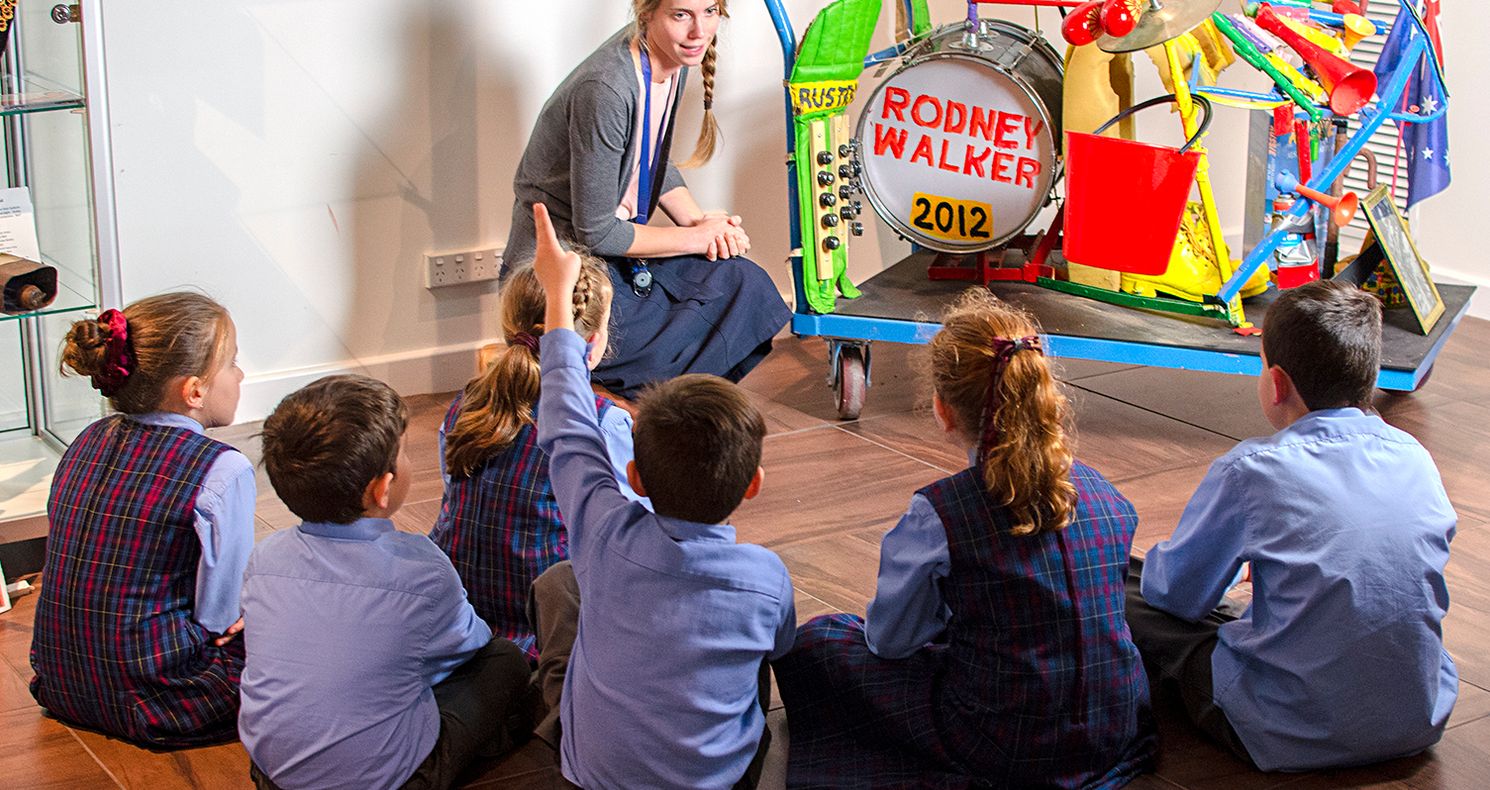
A teacher I know ran into one of her former students at a café a few years ago. The student, now in her early twenties, stopped to chat and, unprompted, mentioned a Year 5 excursion to the Maritime Museum where she'd learned about early Australian immigration. She couldn't remember much from Year 5 generally, but she remembered that trip. The ship replica they explored. The migrant stories they read. The way it made her think differently about her own family's history.
That's the thing about excursions. They stick.
Not always, and not automatically. But when they're done well, they create a kind of learning that's different from what happens in classrooms. More tactile. More emotional. More connected to the real world in ways that textbooks and worksheets can't quite capture.
And yet, organising an excursion is — let's be honest — a logistical nightmare. Permission forms. Risk assessments. Transport coordination. Cost management. Supervising students in unfamiliar environments. The administrative burden alone is enough to make many teachers think twice before booking anything.
So why do we keep doing it?
Because Some Things Can't Be Taught From a Desk
There's a difference between knowing something intellectually and understanding it experientially. You can teach students about ecosystems using diagrams and videos, but watching a tidal pool reveal itself at low tide — seeing crabs scuttle, feeling seaweed, smelling salt air — creates a different kind of knowledge.
One primary teacher told me about taking her Year 2 class to a local wetland reserve. They'd been learning about habitats in class for weeks, but it wasn't until they stood at the edge of the water and watched a heron catch a fish that the concept of "food chain" clicked for most of them. It became real in a way it hadn't been before.
That's not to say classroom teaching is inadequate. It's just that some learning benefits from being anchored in place, in sensory experience, in the messiness of the real world.
History becomes more tangible when you're standing in the building where it happened. Art makes more sense when you're looking at the actual painting, not a photo of it. Science feels more urgent when you're observing living organisms, not reading about them.
The Social Dimension Matters More Than We Admit
Excursions also do something that's harder to quantify: they shift the social dynamics of a class. Students interact differently when they're not sitting in rows. Teachers see different sides of their students. Relationships form or deepen in ways that don't happen during structured lessons.
For students, excursions are often the only times they experience their class as a collective group outside the pressures of academic performance. They're just... together. Navigating something new. Sharing an experience. That builds cohesion in ways that team-building activities and class meetings can't quite replicate.
Memory and Meaning
One reason excursions stick in students' memories is that they're emotionally salient. Novelty, sensory input, social connection, and a break from routine all contribute to stronger memory formation.
But it's not just about remembering the day itself. It's about what that memory anchors. When students recall an excursion, they often recall the concepts they learned during it. The maritime museum trip serves as a gateway to understanding immigration. The wetland visit becomes the framework for ecosystems. The gallery experience becomes the reference point for artistic movements.
This is why well-designed excursions — ones that connect clearly to what students are learning in class — have educational value that extends far beyond the day itself. They create mental scaffolding that students return to when they encounter related topics later.
What Makes a Good Excursion
Not all excursions are equally valuable. Some are genuinely transformative. Others are expensive logistics exercises that leave everyone wondering what the point was.
The difference usually comes down to a few things:
Clear curriculum connection. The best excursions aren't random. They're integrated into what students are already learning, either as an introduction, an extension, or a culminating experience. When students can see the link between the excursion and their classroom work, the learning compounds.
Active engagement. Passive experiences — standing and listening to someone talk for two hours — don't tend to work well. Excursions that give students something to do, investigate, or create are more effective than those that position them as spectators.
Preparation and follow-up. Excursions work better when students arrive with some context and when there's space afterwards to process what they experienced. That doesn't require elaborate pre- and post-activities, but it does require intentionality.
Age-appropriate pacing and content. A two-hour walking tour might be perfect for Year 10. For Year 2, it's a recipe for meltdowns. Good excursions are designed with the developmental needs and attention spans of the age group in mind.
Skilled facilitation. Whether it's a museum educator, a ranger, or a gallery guide, the quality of facilitation matters enormously. The best facilitators know how to engage students, ask good questions, and adapt to the group in real time.
The Equity Question
Here's the uncomfortable truth: not all students have equal access to excursions.
Cost is a barrier for many families, and while schools try to subsidise or fundraise, the reality is that expensive excursions can exclude students whose families can't afford them. That exclusion has social and educational consequences.
Some schools have responded by prioritising low-cost or free excursions. Others have committed to fully funding all excursions so that cost is never a barrier for individual families. These approaches help, but they require financial resources that not all schools have.
There's also the question of which excursions are available to different students. Schools in metro areas often have access to museums, galleries, theatres, universities, and cultural institutions that regional and remote schools don't. That geographic inequality shapes what learning experiences are available.
None of this is easy to solve. But it's worth naming, because when we talk about the value of excursions, we should also acknowledge that access to that value isn't evenly distributed.
Why Teachers Keep Doing It
Given the logistical burden, the cost, the risk management requirements, and the sheer amount of coordination required, it would be understandable if teachers decided excursions weren't worth the effort.
But many keep organising them anyway.
Why?
Because they've seen what happens when a student who struggles in the classroom suddenly lights up at a science centre. Because they've watched a quiet kid ask an insightful question when standing in front of a historical artifact. Because they know that the Year 8 student who was anxious about the art gallery excursion ended up asking to go back with their family.
Because they remember their own school excursions and the way those experiences shaped how they understood the world.
And because, despite everything, there's something irreplaceable about learning that happens when students step outside the classroom and encounter the real, messy, complex world in all its texture and detail.
What This Means Practically
If you're a teacher thinking about planning an excursion, here's what I'd suggest:
Start with the curriculum. What are you teaching that would genuinely benefit from a real-world connection? Don't organise an excursion just because it seems like something you should do. Organise it because it serves a clear educational purpose.
Look for low-cost or free options. Many museums, galleries, and cultural institutions offer subsidised or free programs for schools. Some councils provide grants to support excursions. These resources exist — they just require some digging to find.
Use local opportunities. You don't always need to travel far. Local parks, community gardens, libraries, historical sites, and businesses can all be learning sites. Proximity reduces cost and logistical complexity.
Communicate the purpose. When you're asking families for permission (and possibly money), be clear about why the excursion matters educationally. That transparency builds support and helps justify the time and resources involved.
Don't do it alone. Partner with other teachers in your stage or faculty. Share the planning load. Co-supervise. Debrief together afterwards about what worked and what didn't.
The Bigger Picture
School excursions are expensive, complicated, and time-consuming. They're also one of the few times students experience learning as something that happens in the world, not just in textbooks.
That matters.
Not because excursions are inherently superior to classroom teaching — they're not. But because they offer something different. A different kind of engagement. A different kind of memory. A different kind of connection to knowledge.
In an education system that's increasingly focused on measurable outcomes, standardised assessments, and efficiency, excursions are a reminder that not everything valuable can be quantified. Sometimes learning is just standing in front of a painting and feeling something shift. Or touching a fossil and suddenly understanding geological time. Or hearing a story in the place where it happened and realising history isn't abstract — it's human.
That's worth the logistical headache.
If you're looking for excursion options in your area, we provide a searchable database of programs across Australia. You can filter by location, year level, subject, and cost to find something that works for your students and your constraints.
Excursions aren't easy. But they're still worth it.
'%3e%3cpath%20d='M12%2021C16.9706%2021%2021%2016.9706%2021%2012C21%207.02944%2016.9706%203%2012%203C7.02944%203%203%207.02944%203%2012C3%2016.9706%207.02944%2021%2012%2021Z'%20stroke='%23FEFDFB'%20stroke-width='1.5'%20stroke-linecap='round'%20stroke-linejoin='round'/%3e%3cpath%20d='M15.75%208.25H14.25C13.6533%208.25%2013.081%208.48705%2012.659%208.90901C12.2371%209.33097%2012%209.90326%2012%2010.5V21'%20stroke='%23FEFDFB'%20stroke-width='1.5'%20stroke-linecap='round'%20stroke-linejoin='round'/%3e%3cpath%20d='M9%2013.5H15'%20stroke='%23FEFDFB'%20stroke-width='1.5'%20stroke-linecap='round'%20stroke-linejoin='round'/%3e%3c/g%3e%3cdefs%3e%3cclipPath%20id='clip0_1_616'%3e%3crect%20width='24'%20height='24'%20fill='white'/%3e%3c/clipPath%3e%3c/defs%3e%3c/svg%3e)
'%3e%3cpath%20d='M13.3332%2017.5001C15.6344%2017.5001%2017.4998%2015.6346%2017.4998%2013.3334C17.4998%2011.0322%2015.6344%209.16675%2013.3332%209.16675C11.032%209.16675%209.1665%2011.0322%209.1665%2013.3334C9.1665%2015.6346%2011.032%2017.5001%2013.3332%2017.5001Z'%20stroke='%23FEFDFB'%20stroke-width='1.66667'%20stroke-miterlimit='10'/%3e%3cpath%20d='M18.3335%203.33325H8.3335C5.57207%203.33325%203.3335%205.57183%203.3335%208.33325V18.3333C3.3335%2021.0947%205.57207%2023.3333%208.3335%2023.3333H18.3335C21.0949%2023.3333%2023.3335%2021.0947%2023.3335%2018.3333V8.33325C23.3335%205.57183%2021.0949%203.33325%2018.3335%203.33325Z'%20stroke='%23FEFDFB'%20stroke-width='1.66667'%20stroke-linecap='round'%20stroke-linejoin='round'/%3e%3cpath%20d='M18.75%209.16675C19.4404%209.16675%2020%208.6071%2020%207.91675C20%207.22639%2019.4404%206.66675%2018.75%206.66675C18.0596%206.66675%2017.5%207.22639%2017.5%207.91675C17.5%208.6071%2018.0596%209.16675%2018.75%209.16675Z'%20fill='%23FEFDFB'/%3e%3c/g%3e%3cdefs%3e%3cclipPath%20id='clip0_36_178'%3e%3crect%20width='26.6667'%20height='26.6667'%20fill='white'/%3e%3c/clipPath%3e%3c/defs%3e%3c/svg%3e)
'%3e%3cpath%20d='M20.25%203H3.75C3.33579%203%203%203.33579%203%203.75V20.25C3%2020.6642%203.33579%2021%203.75%2021H20.25C20.6642%2021%2021%2020.6642%2021%2020.25V3.75C21%203.33579%2020.6642%203%2020.25%203Z'%20stroke='%23FEFDFB'%20stroke-width='1.5'%20stroke-linecap='round'%20stroke-linejoin='round'/%3e%3cpath%20d='M11.25%2010.5V16.5'%20stroke='%23FEFDFB'%20stroke-width='1.5'%20stroke-linecap='round'%20stroke-linejoin='round'/%3e%3cpath%20d='M8.25%2010.5V16.5'%20stroke='%23FEFDFB'%20stroke-width='1.5'%20stroke-linecap='round'%20stroke-linejoin='round'/%3e%3cpath%20d='M11.25%2013.125C11.25%2012.4288%2011.5266%2011.7611%2012.0188%2011.2688C12.5111%2010.7766%2013.1788%2010.5%2013.875%2010.5C14.5712%2010.5%2015.2389%2010.7766%2015.7312%2011.2688C16.2234%2011.7611%2016.5%2012.4288%2016.5%2013.125V16.5'%20stroke='%23FEFDFB'%20stroke-width='1.5'%20stroke-linecap='round'%20stroke-linejoin='round'/%3e%3cpath%20d='M8.25%209C8.87132%209%209.375%208.49632%209.375%207.875C9.375%207.25368%208.87132%206.75%208.25%206.75C7.62868%206.75%207.125%207.25368%207.125%207.875C7.125%208.49632%207.62868%209%208.25%209Z'%20fill='%23FEFDFB'/%3e%3c/g%3e%3cdefs%3e%3cclipPath%20id='clip0_1_621'%3e%3crect%20width='24'%20height='24'%20fill='white'/%3e%3c/clipPath%3e%3c/defs%3e%3c/svg%3e)