Two Shark Incidents in 24 Hours: Turning Fear Into Learning
Your students are already talking about the shark attacks. Rather than avoid the topic, use it. Here's how to turn anxiety into inquiry across Science, Maths, Geography and PDHPE—with curriculum-linked activities that build understanding, not fear.
By Daniel Cooper
Published on 19 January 2026
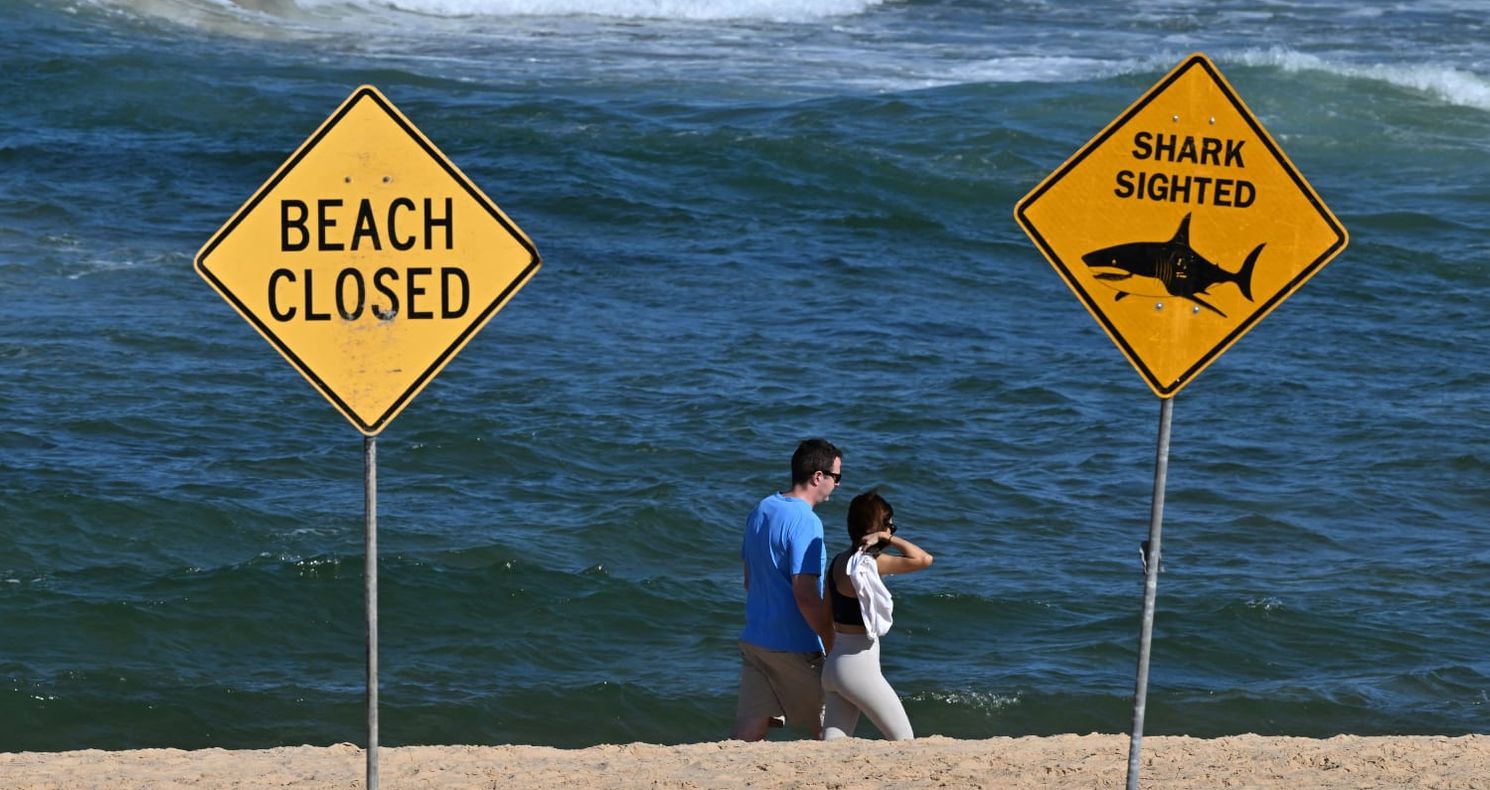
Your students already know about the shark attacks. A 12-year-old was pulled from the water at Nielsen Park on Sunday afternoon. An 11-year-old surfer's board was attacked at Dee Why the next morning. Less than 24 hours. Both kids. Both shark encounters in waters that many of your students know.
They're talking about it. Parents are asking questions. Some students are genuinely frightened. Others are fascinated. A few are repeating sensational claims from social media.
So here's the choice: ignore it and let fear and misinformation fill the gap, or use it as a teaching moment across multiple curriculum areas. I'd suggest the latter.
Let's turn this into learning.
The Facts First
Before any activity, establish the baseline. These incidents happened. One boy is recovering from severe injuries. The other escaped unharmed but shaken. These are real events with real consequences, and acknowledging that matters.
But context also matters. Sydney Harbour has recorded only three fatal shark attacks in the past 60 years. Australia-wide, you're more likely to drown, be struck by lightning, or die in a car accident than be attacked by a shark. That's not dismissing the fear—it's providing perspective.
The question isn't "Should we never swim again?" It's "What can we learn, and how do we make informed decisions?"
Science: Why Bull Sharks in the Harbour?
Year 5–8 Activity:
Bull sharks are one of three species responsible for most attacks worldwide (along with great whites and tiger sharks). Unlike most sharks, they tolerate fresh and brackish water—perfect for estuaries and harbours.
Have students research:
- What adaptations allow bull sharks to survive in freshwater? (Specialised kidneys, different osmoregulation)
- Why might weekend rain create "perfect storm" conditions? (Freshwater runoff creates brackish conditions, reduces visibility, washes in prey)
- What role do sharks play in ocean ecosystems? (Apex predators, population control, ecosystem health indicators)
Extension (Years 9–10): Map historical shark sightings in Sydney Harbour using the Australian Shark Incident Database. Overlay environmental data: rainfall, water temperature, salinity. Are there patterns? This is real scientific inquiry.
Key Teaching Point: Sharks don't "hunt" humans. Most attacks are investigative bites or cases of mistaken identity. Understanding shark sensory systems (vibration detection, electroreception, scent) helps students grasp why splashing in murky water increases risk.
Mathematics: Understanding Risk vs. Perception
This is where fear meets data literacy—and where students desperately need support.
Years 5–7 Activity:
Create a Risk Comparison Chart. Have students research and compare annual Australian statistics:
- Shark attacks (typically 10–20 incidents, 1–2 fatal)
- Drowning deaths (around 280 annually)
- Car accident fatalities (approximately 1,200)
- Lightning strikes (5–10 injuries, rare fatalities)
Calculate probabilities. Graph the data. Discuss: Why does shark risk feel bigger than car risk when the numbers tell a different story?
Years 8–10 Extension:
Introduce base rate fallacy and availability heuristic. Why do dramatic, rare events dominate our perception of risk? How does media coverage amplify this?
Use the data: 312 fatal shark attacks in Australia since 1791. That's 1.3 per year over 235 years. Now compare to the 26 million Australians who visit beaches annually. Calculate the actual risk per beach visit.
Discussion Prompt: "One parent said: 'If a man in a van hurt two kids in public within 24 hours, we wouldn't call it rare.' Is this a fair comparison? Why or why not?" (Hint: intentionality vs. natural behaviour, statistical independence, base rates)
Curriculum Connections
This topic naturally addresses multiple Australian Curriculum General Capabilities:
Critical and Creative Thinking – Analysing cause and effect, evaluating evidence, distinguishing risk from perception
Literacy – Interpreting news reports, evaluating source reliability and author intent
Numeracy – Using statistics, calculating probability, understanding data in context
Personal and Social Capability – Managing emotional responses, making informed decisions for wellbeing
Plus direct links to: Science (Living World, Earth and Space Sciences), Mathematics (Statistics and Probability), Geography (Environmental Change and Management), PDHPE (Making Healthy and Safe Choices)
Geography & Environmental Science: What's Changing?
Years 7–10 Activity:
The number of shark incidents has increased—but so has the number of people in the water, reporting mechanisms, and importantly, ocean temperatures.
Have students investigate:
- Ocean temperature rise in Australian waters (2°C+ in some regions)
- How warming affects shark migration patterns (Species moving south, staying longer in temperate waters)
- Overfishing impacts (Depleted prey species, changing hunting grounds)
- Coastal development (Habitat pressure, proximity to human activity)
Case Study: Compare shark incident data from 1960–1990 vs. 1990–2025. What else changed during these periods? Population density along coasts? Ocean temperatures? Number of beach users?
This isn't about blaming climate change for every incident—it's about understanding how multiple environmental factors interact.
PDHPE: Making Evidence-Based Safety Decisions
Years 5–10 Activity:
"Should we still go to the beach?" is a legitimate question. The answer isn't "Yes, you're fine" or "No, it's too dangerous." It's "Here's how to make an informed decision."
Work with students to create an Ocean Safety Decision Matrix:
Lower Risk:
- Patrolled beaches
- Swimming between flags
- Clear water, midday
- Groups, not solo
- Avoiding dawn/dusk
- No splashing/erratic movement
Higher Risk:
- Unpatrolled areas
- Murky/brackish water
- After heavy rain
- Dawn/dusk
- Swimming near fishing/seals
- Solo swimming
Research evidence-based deterrents: Do shark nets work? (They reduce but don't eliminate risk, and have environmental costs.) What about personal deterrent devices? Drumlines? Barrier nets?
Discussion: The shark nets at Nielsen Park were damaged in April 2025 and not replaced (till december 2025). The boy was swimming outside the netted area. What does this tell us about risk management systems and personal responsibility?
The Conversation You Need to Have
Some students will still be scared. That's okay. Fear of sharks is evolutionarily sensible—apex predators trigger our survival instincts.
But here's what I tell my classes: Understanding risk doesn't eliminate it, but it gives you agency.
You can't control whether a shark is in the water. You can control whether you swim at patrolled beaches, between the flags, during daylight, in clear conditions. You can learn what increases risk and make informed choices.
That's not the same as never swimming again. It's the same logic we apply to driving (wear seatbelts, follow road rules) or bushwalking (check weather, tell someone your plans).
Resources to Support Your Teaching
- Australian Shark Incident Database (Taronga Zoo) – historical data and patterns
- NSW DPI Shark Meshing Program – how beach protection works
- Surf Life Saving Australia – beach safety education materials
- CSIRO – shark research and tracking programs
Final Thought
Two kids encountered sharks within 24 hours. That's frightening, statistically unusual, and worthy of serious discussion. But it's also a chance to teach students how to:
- Evaluate risk using evidence
- Understand animal behaviour through science
- Recognise environmental change
- Make informed safety decisions
Don't let fear be the only lesson. Give your students the tools to think clearly, even when the topic is emotional.
That's what good STEM teaching does.
'%3e%3cpath%20d='M12%2021C16.9706%2021%2021%2016.9706%2021%2012C21%207.02944%2016.9706%203%2012%203C7.02944%203%203%207.02944%203%2012C3%2016.9706%207.02944%2021%2012%2021Z'%20stroke='%23FEFDFB'%20stroke-width='1.5'%20stroke-linecap='round'%20stroke-linejoin='round'/%3e%3cpath%20d='M15.75%208.25H14.25C13.6533%208.25%2013.081%208.48705%2012.659%208.90901C12.2371%209.33097%2012%209.90326%2012%2010.5V21'%20stroke='%23FEFDFB'%20stroke-width='1.5'%20stroke-linecap='round'%20stroke-linejoin='round'/%3e%3cpath%20d='M9%2013.5H15'%20stroke='%23FEFDFB'%20stroke-width='1.5'%20stroke-linecap='round'%20stroke-linejoin='round'/%3e%3c/g%3e%3cdefs%3e%3cclipPath%20id='clip0_1_616'%3e%3crect%20width='24'%20height='24'%20fill='white'/%3e%3c/clipPath%3e%3c/defs%3e%3c/svg%3e)
'%3e%3cpath%20d='M13.3332%2017.5001C15.6344%2017.5001%2017.4998%2015.6346%2017.4998%2013.3334C17.4998%2011.0322%2015.6344%209.16675%2013.3332%209.16675C11.032%209.16675%209.1665%2011.0322%209.1665%2013.3334C9.1665%2015.6346%2011.032%2017.5001%2013.3332%2017.5001Z'%20stroke='%23FEFDFB'%20stroke-width='1.66667'%20stroke-miterlimit='10'/%3e%3cpath%20d='M18.3335%203.33325H8.3335C5.57207%203.33325%203.3335%205.57183%203.3335%208.33325V18.3333C3.3335%2021.0947%205.57207%2023.3333%208.3335%2023.3333H18.3335C21.0949%2023.3333%2023.3335%2021.0947%2023.3335%2018.3333V8.33325C23.3335%205.57183%2021.0949%203.33325%2018.3335%203.33325Z'%20stroke='%23FEFDFB'%20stroke-width='1.66667'%20stroke-linecap='round'%20stroke-linejoin='round'/%3e%3cpath%20d='M18.75%209.16675C19.4404%209.16675%2020%208.6071%2020%207.91675C20%207.22639%2019.4404%206.66675%2018.75%206.66675C18.0596%206.66675%2017.5%207.22639%2017.5%207.91675C17.5%208.6071%2018.0596%209.16675%2018.75%209.16675Z'%20fill='%23FEFDFB'/%3e%3c/g%3e%3cdefs%3e%3cclipPath%20id='clip0_36_178'%3e%3crect%20width='26.6667'%20height='26.6667'%20fill='white'/%3e%3c/clipPath%3e%3c/defs%3e%3c/svg%3e)
'%3e%3cpath%20d='M20.25%203H3.75C3.33579%203%203%203.33579%203%203.75V20.25C3%2020.6642%203.33579%2021%203.75%2021H20.25C20.6642%2021%2021%2020.6642%2021%2020.25V3.75C21%203.33579%2020.6642%203%2020.25%203Z'%20stroke='%23FEFDFB'%20stroke-width='1.5'%20stroke-linecap='round'%20stroke-linejoin='round'/%3e%3cpath%20d='M11.25%2010.5V16.5'%20stroke='%23FEFDFB'%20stroke-width='1.5'%20stroke-linecap='round'%20stroke-linejoin='round'/%3e%3cpath%20d='M8.25%2010.5V16.5'%20stroke='%23FEFDFB'%20stroke-width='1.5'%20stroke-linecap='round'%20stroke-linejoin='round'/%3e%3cpath%20d='M11.25%2013.125C11.25%2012.4288%2011.5266%2011.7611%2012.0188%2011.2688C12.5111%2010.7766%2013.1788%2010.5%2013.875%2010.5C14.5712%2010.5%2015.2389%2010.7766%2015.7312%2011.2688C16.2234%2011.7611%2016.5%2012.4288%2016.5%2013.125V16.5'%20stroke='%23FEFDFB'%20stroke-width='1.5'%20stroke-linecap='round'%20stroke-linejoin='round'/%3e%3cpath%20d='M8.25%209C8.87132%209%209.375%208.49632%209.375%207.875C9.375%207.25368%208.87132%206.75%208.25%206.75C7.62868%206.75%207.125%207.25368%207.125%207.875C7.125%208.49632%207.62868%209%208.25%209Z'%20fill='%23FEFDFB'/%3e%3c/g%3e%3cdefs%3e%3cclipPath%20id='clip0_1_621'%3e%3crect%20width='24'%20height='24'%20fill='white'/%3e%3c/clipPath%3e%3c/defs%3e%3c/svg%3e)