Virtual vs. In-Person School Incursions: Which Option Provides Better Learning Outcomes for Primary Students?
The widespread adoption of digital technologies has created new possibilities for school incursions, raising important questions for primary educators: Does the physicality of in-person incursions outweigh the accessibility of virtual alternatives? This comprehensive guide explores the benefits, limitations, and educational impacts of both formats, helping you make informed decisions based on curriculum goals, student needs, and school context.
By Johnny Paul
Published on 30 April 2025
Introduction: The Evolving Landscape of School Incursions
The educational landscape has transformed dramatically over the past few years. While in-person incursions have long been a staple of primary education, bringing specialist educators and unique experiences directly to schools, the widespread adoption of digital technologies has created new possibilities for virtual learning experiences.
For primary educators, this evolution raises important questions: Which delivery method better serves student learning outcomes? Does the immediacy and physicality of in-person incursions outweigh the accessibility and technological engagement of virtual alternatives? Or is there value in a blended approach that leverages the strengths of both formats?
This comprehensive guide explores the benefits, limitations, and educational impacts of both virtual and in-person incursions for primary students. Drawing on research, educator experiences, and program examples from across Victoria, we'll help you make informed decisions about which approach best suits your curriculum goals, student needs, and school context.
"The question isn't simply which format is better overall, but rather which approach best serves your specific learning objectives. Sometimes the tactile, social elements of in-person incursions are essential, while other times the technological capabilities and broader reach of virtual programs offer unique advantages." — Emma Chen, Educational Technology Researcher
Understanding the Options: Defining Today's Incursion Landscape
1) In-Person Incursions
Traditional in-person incursions bring external educators, performers, or specialists directly into your school. These might include science demonstrations, cultural performances, storytelling sessions, or hands-on workshops where students actively participate in the learning experience.
2) Virtual Incursions
Virtual incursions use videoconferencing platforms, interactive websites, or specialised educational software to deliver similar content remotely. These can range from livestreamed performances and interactive workshops to virtual tours and digital learning experiences facilitated by remote educators.
3) Hybrid Approaches
Some providers now offer hybrid models that blend elements of both formats, such as digital pre-learning resources followed by an in-person session, or interactive kits sent to schools to be used alongside virtual facilitation.
Advantages of In-Person Incursions
1. Tactile Learning Opportunities
In-person incursions excel at providing hands-on, tactile experiences that engage multiple senses simultaneously—a crucial consideration for primary-aged students who benefit from concrete learning experiences. Programs like Mad About Science Incursions bring physical equipment and materials directly to your classroom, allowing students to touch, manipulate, and experiment with real scientific tools. This multi-sensory engagement is particularly valuable for concepts that benefit from concrete demonstration and experimentation.
"When our Year 2 students could actually hold artefacts during the historical incursion, you could see their understanding deepen immediately. That physical connection created an emotional engagement with history that would be difficult to replicate through a screen." — Rebecca Lawson, Year 2 Teacher
2. Real-Time Adaptability
Skilled in-person facilitators can read the room, adjusting their approach based on student reactions, energy levels, and emergent questions. This responsive teaching can be particularly valuable for meeting diverse learning needs. Cultural performances, for instance, allow presenters to gauge student engagement and adjust the pace, explanation level, or interactive elements accordingly. This real-time responsiveness helps maintain student focus and ensures the experience remains appropriately challenging.
3. Social Learning Benefits
In-person incursions create shared experiences that foster collaborative learning and social interaction. Students can work together in groups, share observations, and build upon each other's ideas in real time. Let's Dance from Supreme Incursions exemplifies this social dimension, with students learning choreography together and experiencing the collective energy of group movement. These shared experiences often become powerful reference points for continued classroom learning.
4. Authentic Connection with Experts
Face-to-face interaction with experts and specialists creates memorable personal connections that can inspire students and make subject matter more relatable. Programs like Dinosaur Educational Series bring specialist educators with authentic enthusiasm and expertise directly to students. This personal connection often sparks interest that extends beyond the incursion itself.
Advantages of Virtual Incursions
1. Access to Otherwise Inaccessible Experiences
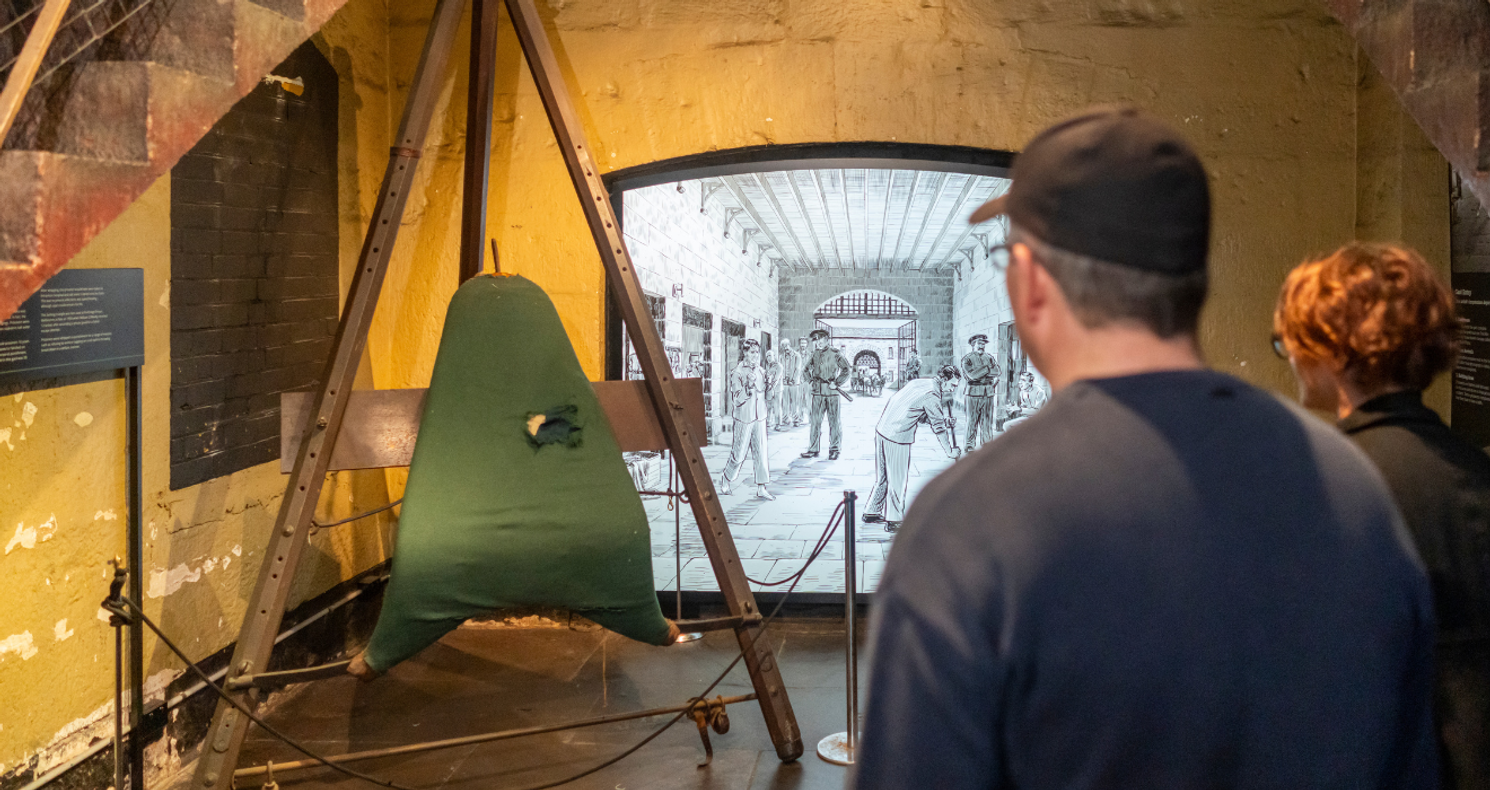
Virtual formats can transcend geographical limitations, connecting students with experiences, experts, and locations that would be otherwise inaccessible, particularly for regional or remote schools. The Virtual Tour at Old Melbourne Gaol offers students an immersive experience exploring the historic prison regardless of their location in Victoria. For regional schools, this access to cultural institutions without travel costs represents a significant advantage.
2. Digital Literacy Development
Virtual incursions naturally integrate digital literacy development alongside subject content, helping students build technological competencies that are increasingly essential for their future. Programs like Let's Get Animated from ACMI actively develop digital creation skills while exploring curriculum content. As noted in their program description: "This is a live virtual session run by ACMI Educators. It includes interactive activities and student participation, as well as post-lesson activities."
3. Enhanced Visual Capabilities
Digital platforms can offer visual perspectives and demonstrations that would be difficult or impossible to achieve in a physical classroom setting. The VR Team Based Escape Room Adventure allows students to "become avatars, explore virtual reality, solve puzzles, complete missions" in environments that couldn't be physically recreated in a school setting.
4. Embedded Documentation and Follow-Up Resources
Virtual incursions often include integrated digital resources that extend learning beyond the session itself, with recordings, supplementary materials, and follow-up activities easily accessible.
"The digital resources provided with virtual incursions allow us to revisit key moments, extend the learning over multiple sessions, and provide support for students who might have missed subtle details during the live experience." — James Peterson, Digital Learning Leader
Learning Outcome Comparisons by Subject Area
STEM Learning
STEM subjects often benefit from the hands-on experimentation possible with in-person incursions, but virtual programs can offer unique visualization capabilities for abstract concepts.
In-Person Advantage:
Science Workshops by Mad About Science bring equipment and materials for direct experimentation that builds scientific inquiry skills through tangible exploration. The physicality of testing hypotheses with real materials creates powerful learning moments that are challenging to replicate virtually.
Virtual Advantage:
Online programs can utilize animations, simulations, and digital models to visualize concepts like cellular processes, astronomical phenomena, or mathematical abstractions at scales impossible to demonstrate physically.
Arts and Creativity
Arts education involves sensory experiences and creative expression that each format approaches differently.
In-Person Advantage:
Cultural performance incursions like Mime Magnifique! create immersive artistic experiences where students can feel the energy of live performance and interact directly with performers. The spatial, three-dimensional aspects of arts experiences are preserved in ways that can be diminished through screens.
Virtual Advantage:
Digital arts programs can provide students with sophisticated creative tools and techniques that might not be available in every school. Virtual incursions can also connect students with professional artists from across the country or internationally, exposing them to diverse artistic perspectives.
History and Cultural Studies
Historical and cultural understanding requires context and connection that each format facilitates in different ways.
In-Person Advantage:
Chinese Museum School Tour allows students to physically interact with cultural artefacts and experience authentic cultural environments firsthand. The multisensory nature of exploring historical spaces creates stronger memory encoding and emotional connection to historical concepts.
Virtual Advantage:
Virtual museum tours can provide close-up views of artefacts with detailed annotations, historical context, and interactive elements that might not be possible during an in-person visit with time constraints. Virtual formats also allow for "visits" to multiple historical sites in a single session, creating comparative learning opportunities.
"Our virtual tour of the Old Melbourne Gaol gave students the freedom to explore at their own pace and focus on the aspects that interested them most. The interactive features and detailed information available actually provided more historical context than we might have received during a time-limited physical visit." — Michael Thompson, Year 5 Teacher
Health and Physical Education
Movement-based learning presents unique considerations in comparing delivery formats.
In-Person Advantage:
Programs like Let's Dance provide direct physical instruction with immediate feedback from facilitators who can correct movement techniques and ensure safe participation. The physical presence of instructors creates a more dynamic, energetic environment that encourages full participation.
Virtual Advantage:
Virtual movement programs can reach students in their home environments, potentially encouraging the involvement of family members and establishing habits that extend beyond school hours. Digital platforms can also provide visualizations of internal body systems or movement mechanics that enhance understanding of health concepts.
Key Factors Influencing Effectiveness
When considering which format will best serve your students, several key factors should inform your decision:
1. Student Age and Developmental Stage
Younger primary students (Foundation-Year 2) generally benefit more from the concrete, tactile experiences of in-person incursions. Their developmental needs align with hands-on learning and the physical presence of facilitators who can provide immediate support and guidance.
For older primary students (Years 3-6), virtual formats become increasingly viable as students develop greater capacity for abstract thinking and digital self-regulation. By upper primary, many students can effectively engage with virtual content while still benefiting from the social aspects of in-person experiences.
2. Specific Learning Objectives
Consider what skills and knowledge you're targeting:
3. Student Learning Preferences and Needs
Different students respond differently to each format:
4. Logistical Considerations
Practical factors that may influence your decision include:
"We've found that incorporating physical materials alongside virtual incursions creates a powerful blend. When students receive hands-on resources to use during a virtual session, they get both the tactile experience and the digital advantages." — Jennifer Wong, Deputy Principal
Finding the Right Programs with EdTripper
EdTripper makes it easy to find both virtual and in-person incursions that match your specific needs:
For personalised recommendations on which format might best suit your specific learning goals, contact our education team at info@edtripper.com.
'%3e%3cpath%20d='M12%2021C16.9706%2021%2021%2016.9706%2021%2012C21%207.02944%2016.9706%203%2012%203C7.02944%203%203%207.02944%203%2012C3%2016.9706%207.02944%2021%2012%2021Z'%20stroke='%23FEFDFB'%20stroke-width='1.5'%20stroke-linecap='round'%20stroke-linejoin='round'/%3e%3cpath%20d='M15.75%208.25H14.25C13.6533%208.25%2013.081%208.48705%2012.659%208.90901C12.2371%209.33097%2012%209.90326%2012%2010.5V21'%20stroke='%23FEFDFB'%20stroke-width='1.5'%20stroke-linecap='round'%20stroke-linejoin='round'/%3e%3cpath%20d='M9%2013.5H15'%20stroke='%23FEFDFB'%20stroke-width='1.5'%20stroke-linecap='round'%20stroke-linejoin='round'/%3e%3c/g%3e%3cdefs%3e%3cclipPath%20id='clip0_1_616'%3e%3crect%20width='24'%20height='24'%20fill='white'/%3e%3c/clipPath%3e%3c/defs%3e%3c/svg%3e)
'%3e%3cpath%20d='M13.3332%2017.5001C15.6344%2017.5001%2017.4998%2015.6346%2017.4998%2013.3334C17.4998%2011.0322%2015.6344%209.16675%2013.3332%209.16675C11.032%209.16675%209.1665%2011.0322%209.1665%2013.3334C9.1665%2015.6346%2011.032%2017.5001%2013.3332%2017.5001Z'%20stroke='%23FEFDFB'%20stroke-width='1.66667'%20stroke-miterlimit='10'/%3e%3cpath%20d='M18.3335%203.33325H8.3335C5.57207%203.33325%203.3335%205.57183%203.3335%208.33325V18.3333C3.3335%2021.0947%205.57207%2023.3333%208.3335%2023.3333H18.3335C21.0949%2023.3333%2023.3335%2021.0947%2023.3335%2018.3333V8.33325C23.3335%205.57183%2021.0949%203.33325%2018.3335%203.33325Z'%20stroke='%23FEFDFB'%20stroke-width='1.66667'%20stroke-linecap='round'%20stroke-linejoin='round'/%3e%3cpath%20d='M18.75%209.16675C19.4404%209.16675%2020%208.6071%2020%207.91675C20%207.22639%2019.4404%206.66675%2018.75%206.66675C18.0596%206.66675%2017.5%207.22639%2017.5%207.91675C17.5%208.6071%2018.0596%209.16675%2018.75%209.16675Z'%20fill='%23FEFDFB'/%3e%3c/g%3e%3cdefs%3e%3cclipPath%20id='clip0_36_178'%3e%3crect%20width='26.6667'%20height='26.6667'%20fill='white'/%3e%3c/clipPath%3e%3c/defs%3e%3c/svg%3e)
'%3e%3cpath%20d='M20.25%203H3.75C3.33579%203%203%203.33579%203%203.75V20.25C3%2020.6642%203.33579%2021%203.75%2021H20.25C20.6642%2021%2021%2020.6642%2021%2020.25V3.75C21%203.33579%2020.6642%203%2020.25%203Z'%20stroke='%23FEFDFB'%20stroke-width='1.5'%20stroke-linecap='round'%20stroke-linejoin='round'/%3e%3cpath%20d='M11.25%2010.5V16.5'%20stroke='%23FEFDFB'%20stroke-width='1.5'%20stroke-linecap='round'%20stroke-linejoin='round'/%3e%3cpath%20d='M8.25%2010.5V16.5'%20stroke='%23FEFDFB'%20stroke-width='1.5'%20stroke-linecap='round'%20stroke-linejoin='round'/%3e%3cpath%20d='M11.25%2013.125C11.25%2012.4288%2011.5266%2011.7611%2012.0188%2011.2688C12.5111%2010.7766%2013.1788%2010.5%2013.875%2010.5C14.5712%2010.5%2015.2389%2010.7766%2015.7312%2011.2688C16.2234%2011.7611%2016.5%2012.4288%2016.5%2013.125V16.5'%20stroke='%23FEFDFB'%20stroke-width='1.5'%20stroke-linecap='round'%20stroke-linejoin='round'/%3e%3cpath%20d='M8.25%209C8.87132%209%209.375%208.49632%209.375%207.875C9.375%207.25368%208.87132%206.75%208.25%206.75C7.62868%206.75%207.125%207.25368%207.125%207.875C7.125%208.49632%207.62868%209%208.25%209Z'%20fill='%23FEFDFB'/%3e%3c/g%3e%3cdefs%3e%3cclipPath%20id='clip0_1_621'%3e%3crect%20width='24'%20height='24'%20fill='white'/%3e%3c/clipPath%3e%3c/defs%3e%3c/svg%3e)