Why Victorian Teachers Are Bringing Sustainability Education Outside (And What That Actually Looks Like)
Environmental education in Victoria has quietly grown into something far richer than recycling lessons. We spoke with teachers using hands-on programs to help students connect with nature, understand environmental challenges, and build practical skills — from prep students meeting worms to VCE cohorts conducting real field research.
By Johnny Paul
Published on 30 April 2025
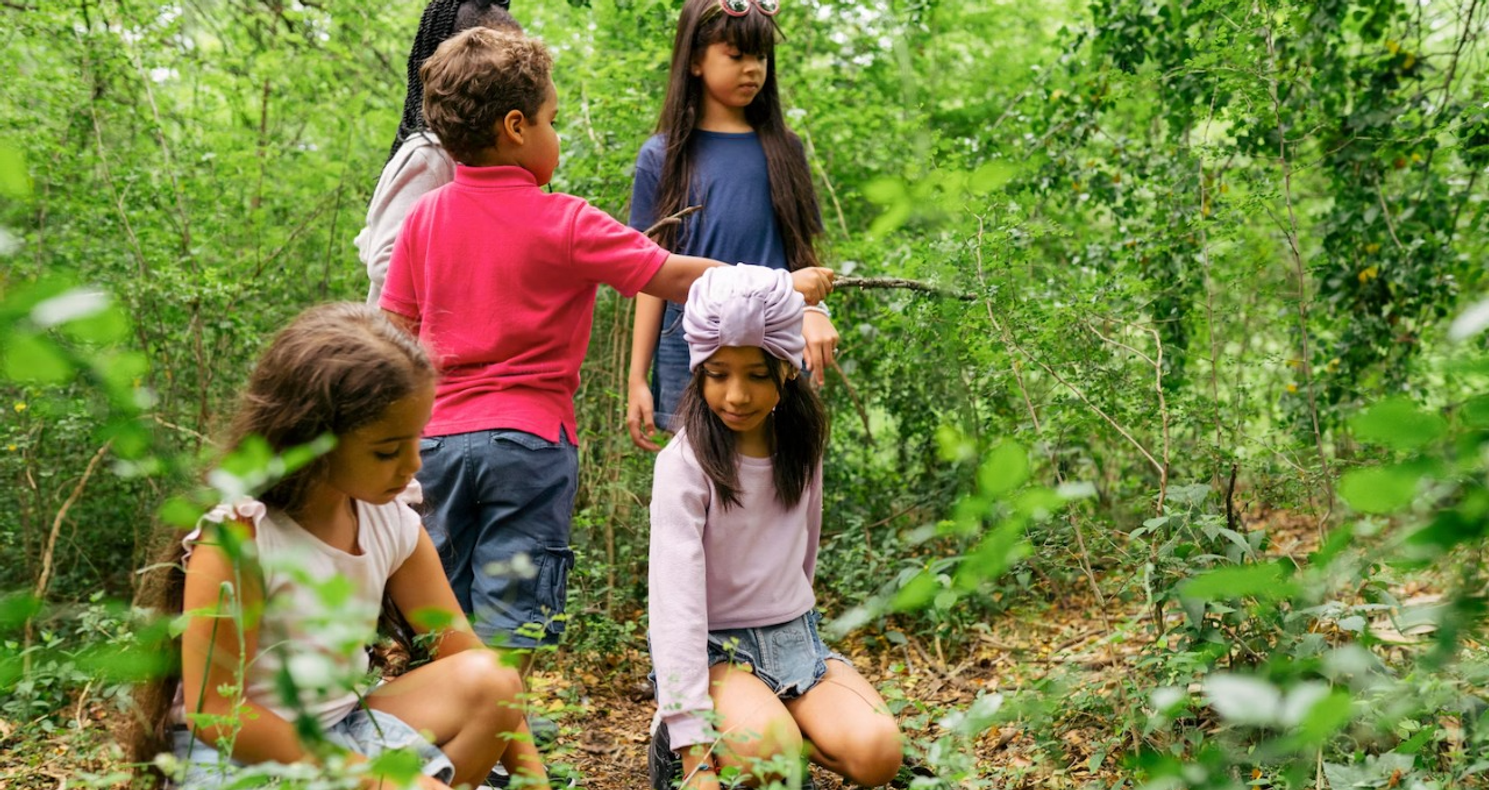
was talking to a Year 4 teacher in Melbourne's outer east a few months back, and she told me something that's stuck with me. Her class had just returned from a day at a local wetland reserve, and one of her quietest students — a kid who rarely contributed in class — stood up during reflection time and said: "I didn't know frogs were important until today."
It's the kind of small moment that reminds you why we do this work.
Environmental education has become a priority for Victorian schools, and for good reason. Climate anxiety is real for many students, but so is the opportunity to help them feel connected, informed and capable rather than overwhelmed. What I've noticed over the past few years — from speaking with teachers, providers and school leaders across the state — is that the programs doing this well aren't just delivering content. They're creating experiences that help students see themselves as part of the story.
What's Actually Out There
Victoria has a surprisingly diverse environmental education landscape. Some programs happen on school grounds. Others take students into national parks, working farms, coastal reserves or urban wetlands. The best ones tend to share a few things in common: they're hands-on, they're led by people who genuinely love what they do, and they leave space for students to ask their own questions.
For younger students, environmental education often starts with wonder. I've heard from prep and early primary teachers who've brought in programs like Jollybops Science, where a "jolly professor" and a robot named Rusty introduce concepts like air quality, water systems and earth science through live demonstrations. It's playful, it's engaging, and it meets kids exactly where they are — curious and ready to be amazed.
As students move into middle primary, the programs tend to get a bit more investigative. One teacher I spoke with in Geelong took her Year 5s to a local bushland reserve where they conducted a mini biodiversity audit — counting invertebrates, identifying native plants, and comparing their findings to historical records. She told me the students were stunned to discover that some species had disappeared from the area in the past 20 years. It made climate change feel real in a way that a textbook never could.
For secondary students, the programs often lean into field research and data collection. VCE Environmental Science students, in particular, benefit from experiences that mirror the kind of work environmental scientists actually do — water quality testing, fauna surveys, habitat mapping. It's not just about learning content; it's about understanding how knowledge is built.
Why It Works (When It Does)
Here's what I've learned from teachers who've made environmental education a regular part of their practice: it's not a magic bullet, but it does something classrooms alone can't always achieve. It gets students outside. It gives them something tangible to connect with. And it helps them see that environmental challenges — however large — are shaped by human decisions, which means they can also be shaped by human action.
One secondary Humanities teacher in regional Victoria told me her students came back from a sustainability program at a local farm with completely different energy. They'd spent the day learning about regenerative agriculture, composting systems and food waste reduction. A few weeks later, several of them started a composting initiative at school. She didn't ask them to. They just did it.
That's the thing about good environmental education — it doesn't just inform students. It activates them.
The Cross-Curricular Advantage
What I also appreciate about environmental programs in Victoria is how naturally they cross subject boundaries. A field trip to study local ecosystems can touch Science, Geography, English (through reflective writing or persuasive tasks), Maths (data collection and analysis), and even the Arts (nature journaling, photography, land art).
Kryal Castle Education, for instance, offers something a bit different — customisable programs that weave environmental and historical learning together. Students can explore how human societies have interacted with their environments over time, which opens up conversations about sustainability that go beyond the present moment. It's a reminder that environmental education doesn't have to live in a Science silo.
What to Look For
If you're planning an environmental education experience for your class, here's what I'd suggest thinking about — not as a checklist, but as a lens:
Does it match where your students are at? The best programs are developmentally appropriate. Early learners need sensory, story-driven experiences. Older students need complexity and room to investigate.
Is there follow-up potential? The programs that seem to have the most impact are the ones that don't end when the bus pulls back into the school car park. Look for providers who offer pre-visit resources or post-visit projects that help students extend their learning.
Does it feel authentic? Students can tell when an experience is genuine. The programs led by people who are passionate — whether that's a marine biologist, a ranger, or a sustainability educator — tend to resonate more deeply than those that feel scripted or performative.
Is it accessible? Cost, location, and timing all matter. Some of the best environmental education happens close to school — local parks, urban creeks, community gardens. You don't always need to travel far to create something meaningful.
A Practical Note on Timing
One thing I've heard from teachers repeatedly: environmental education works best when it's woven into the year, not treated as a one-off event. A Term 2 wetland visit. A Term 3 sustainability incursion. A Term 4 coastal field study. When students return to environmental themes across the year, the learning compounds.
Where This Leaves Us
I don't think environmental education is just another subject area to tick off. It's preparation for the world students are inheriting — one where they'll need to make decisions about energy, water, food systems, biodiversity, and climate. The programs happening across Victoria right now are giving students the chance to develop not just knowledge, but also agency.
That Year 4 student who learned that frogs matter? She's probably not going to become a herpetologist. But she walked away from that day understanding that small creatures play big roles, that ecosystems are interconnected, and that her attention — her care — matters.
That's not a small thing.
If you're looking to explore what's available, the EdTripper platform has a growing collection of environmental education programs across Victoria — from early learning through VCE. You can filter by year level, location, and curriculum area to find something that fits your students.
'%3e%3cpath%20d='M12%2021C16.9706%2021%2021%2016.9706%2021%2012C21%207.02944%2016.9706%203%2012%203C7.02944%203%203%207.02944%203%2012C3%2016.9706%207.02944%2021%2012%2021Z'%20stroke='%23FEFDFB'%20stroke-width='1.5'%20stroke-linecap='round'%20stroke-linejoin='round'/%3e%3cpath%20d='M15.75%208.25H14.25C13.6533%208.25%2013.081%208.48705%2012.659%208.90901C12.2371%209.33097%2012%209.90326%2012%2010.5V21'%20stroke='%23FEFDFB'%20stroke-width='1.5'%20stroke-linecap='round'%20stroke-linejoin='round'/%3e%3cpath%20d='M9%2013.5H15'%20stroke='%23FEFDFB'%20stroke-width='1.5'%20stroke-linecap='round'%20stroke-linejoin='round'/%3e%3c/g%3e%3cdefs%3e%3cclipPath%20id='clip0_1_616'%3e%3crect%20width='24'%20height='24'%20fill='white'/%3e%3c/clipPath%3e%3c/defs%3e%3c/svg%3e)
'%3e%3cpath%20d='M13.3332%2017.5001C15.6344%2017.5001%2017.4998%2015.6346%2017.4998%2013.3334C17.4998%2011.0322%2015.6344%209.16675%2013.3332%209.16675C11.032%209.16675%209.1665%2011.0322%209.1665%2013.3334C9.1665%2015.6346%2011.032%2017.5001%2013.3332%2017.5001Z'%20stroke='%23FEFDFB'%20stroke-width='1.66667'%20stroke-miterlimit='10'/%3e%3cpath%20d='M18.3335%203.33325H8.3335C5.57207%203.33325%203.3335%205.57183%203.3335%208.33325V18.3333C3.3335%2021.0947%205.57207%2023.3333%208.3335%2023.3333H18.3335C21.0949%2023.3333%2023.3335%2021.0947%2023.3335%2018.3333V8.33325C23.3335%205.57183%2021.0949%203.33325%2018.3335%203.33325Z'%20stroke='%23FEFDFB'%20stroke-width='1.66667'%20stroke-linecap='round'%20stroke-linejoin='round'/%3e%3cpath%20d='M18.75%209.16675C19.4404%209.16675%2020%208.6071%2020%207.91675C20%207.22639%2019.4404%206.66675%2018.75%206.66675C18.0596%206.66675%2017.5%207.22639%2017.5%207.91675C17.5%208.6071%2018.0596%209.16675%2018.75%209.16675Z'%20fill='%23FEFDFB'/%3e%3c/g%3e%3cdefs%3e%3cclipPath%20id='clip0_36_178'%3e%3crect%20width='26.6667'%20height='26.6667'%20fill='white'/%3e%3c/clipPath%3e%3c/defs%3e%3c/svg%3e)
'%3e%3cpath%20d='M20.25%203H3.75C3.33579%203%203%203.33579%203%203.75V20.25C3%2020.6642%203.33579%2021%203.75%2021H20.25C20.6642%2021%2021%2020.6642%2021%2020.25V3.75C21%203.33579%2020.6642%203%2020.25%203Z'%20stroke='%23FEFDFB'%20stroke-width='1.5'%20stroke-linecap='round'%20stroke-linejoin='round'/%3e%3cpath%20d='M11.25%2010.5V16.5'%20stroke='%23FEFDFB'%20stroke-width='1.5'%20stroke-linecap='round'%20stroke-linejoin='round'/%3e%3cpath%20d='M8.25%2010.5V16.5'%20stroke='%23FEFDFB'%20stroke-width='1.5'%20stroke-linecap='round'%20stroke-linejoin='round'/%3e%3cpath%20d='M11.25%2013.125C11.25%2012.4288%2011.5266%2011.7611%2012.0188%2011.2688C12.5111%2010.7766%2013.1788%2010.5%2013.875%2010.5C14.5712%2010.5%2015.2389%2010.7766%2015.7312%2011.2688C16.2234%2011.7611%2016.5%2012.4288%2016.5%2013.125V16.5'%20stroke='%23FEFDFB'%20stroke-width='1.5'%20stroke-linecap='round'%20stroke-linejoin='round'/%3e%3cpath%20d='M8.25%209C8.87132%209%209.375%208.49632%209.375%207.875C9.375%207.25368%208.87132%206.75%208.25%206.75C7.62868%206.75%207.125%207.25368%207.125%207.875C7.125%208.49632%207.62868%209%208.25%209Z'%20fill='%23FEFDFB'/%3e%3c/g%3e%3cdefs%3e%3cclipPath%20id='clip0_1_621'%3e%3crect%20width='24'%20height='24'%20fill='white'/%3e%3c/clipPath%3e%3c/defs%3e%3c/svg%3e)